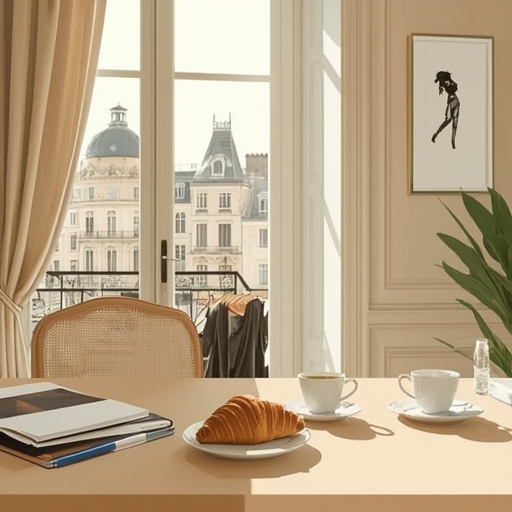
When I reflect upon my eight transformative years in France, I realize that the process of adapting to a foreign culture extends far beyond mastering a new language or adjusting one’s professional skills. It involves immersing oneself in a distinct rhythm of life — one defined by unspoken social norms, subtle workplace rituals, and a fundamentally different pace that governs everything from a shared meal to the balance between rest and labor.
Upon first arriving from England, I naïvely assumed that a common Western heritage would make integration seamless. Yet, as the weeks unfolded, I discovered that even everyday experiences — such as greeting colleagues, understanding hierarchies, and navigating mealtimes — carried layers of cultural meaning. A French workday felt almost choreographed, punctuated by a collective lunch that was not merely a pause for nourishment but a sacred ritual of conversation, reflection, and community. Coffee breaks, too, took on the quality of micro-celebrations of collegial spirit rather than hurried interruptions. Slowly, I began to understand that success in a new environment hinged not only on professional competence but also on the willingness to observe, listen, and embrace these subtle, human details.
The office etiquette itself was a study in contrast to the British model I had grown accustomed to. Where in England formality might dissolve into self-deprecating humor and understated interaction, French colleagues prized eloquence, confidence, and clarity. Meetings were arenas of lively debate—measured, intellectual, and expressive—where disagreement was seen as engagement rather than confrontation. At first, this forthright communication style felt unnerving, but over time it became both inspiring and liberating, teaching me that candor and respect can coexist beautifully.
Outside the workplace, the cultural recalibration continued with surprising intensity. Mealtimes became lessons in patience and presence: lingering at the table for meaningful conversation, savoring food without distraction, and honoring the art of pause. Vacations, too, were treated not as luxuries but as essential acts of restoration. The French commitment to balance — the ability to work hard and live fully — gradually reshaped how I approached my own well-being. It reminded me that productivity is unsustainable without reflection and that life’s smaller pleasures often yield the richest insights.
Those initial months, full of minor misunderstandings and silent observations, matured into years of growth that redefined my professional identity and personal rhythm. Living in France demanded curiosity, resilience, and above all, humility — a recognition that cultural adaptation is a continuous dialogue between who you are and where you are. I learned to soften certain instinctive habits, to question assumptions, and to find comfort in moments of uncertainty. In doing so, I discovered not only a deeper understanding of French culture but also a more nuanced sense of self.
Eight years later, I look back with both gratitude and awe. What began as an ordinary career move evolved into a profound education in empathy and adaptability. France taught me that to truly belong somewhere, one must not erase difference but rather engage with it thoughtfully, allowing one’s perspective to expand across boundaries. This journey, with all its lessons and imperfections, remains one of the most enriching experiences of my life — a testament to the quiet power of cultural exchange and the beauty of learning to live, work, and thrive in another rhythm entirely.
Sourse: https://www.businessinsider.com/surprising-things-france-working-living-from-brit-2026-1