When Cassandra Burke was only thirty-eight years old, an unexpected jolt of sharp pain coursing through her right breast prompted a medical examination that would alter the course of her life. The diagnosis came swiftly and with a mixture of relief and dread: stage 1 breast cancer. Although the tumor had been discovered early—an advantage that significantly improved her prognosis—the journey ahead was far from easy. Burke embarked upon an arduous and exhaustive treatment plan involving a lumpectomy to remove the cancerous tissue, followed by a full year of taxing chemotherapy sessions and a grueling thirty-three-day cycle of radiation therapy. Additional procedures included skin grafting to restore damaged tissue left from the lumpectomy and a preventive hysterectomy, undertaken because her aunt had previously been diagnosed with advanced stage 4 ovarian cancer. Reflecting on this period, Burke, now fifty-four, described to *Business Insider* how the intensity of her treatment physically and emotionally drained her. The aggressiveness of the medical interventions left her body weakened, her energy depleted, and even basic movement felt punishing—yet her determination endured.
Despite the overwhelming toll, Burke kept her focus anchored on one specific goal that gave meaning and direction to her recovery: she wanted to complete her very first triathlon. Her sights were set on the Iron Girl competition in her home state of Maryland, a demanding challenge that required participants to swim 0.62 miles, cycle 16 miles, and finish with a 3.4-mile run. Completing the event represented far more than athletic achievement; it was, for her, a declaration of resilience and renewal. Two weeks after finishing that first race, she participated in another Iron Girl triathlon in Syracuse, New York, confirming that she had found not just a sport but a passion powerful enough to redefine her identity. The exhilaration of crossing the finish line became a new source of purpose and joy, one she eagerly shared with her husband and their young daughter, who had only been four years old when her mother first received her diagnosis.
Burke’s battle with cancer and her emerging athletic aspirations nurtured a deep curiosity about the connections between physical performance, recovery, and nutrition. Determined to understand her body’s changing needs, she pursued professional training to deepen her knowledge: earning certifications in both personal training and triathlon coaching, as well as securing her license as a registered dietitian. Today, she balances multiple careers with impressive discipline. Alongside managing a forensic science laboratory, she dedicates her expertise to guiding athletes of various ages—from young children as early as six to teenagers and remote adult clients spread across different regions. In addition, she channels her own experience as a cancer survivor to counsel oncology patients on nutritional strategies that can support wellness throughout treatment and recovery.
Burke’s daily routine reflects the seamless integration of science, sport, and healthful living. She structures her nutrition around her training schedule, sometimes engaging in two separate workout sessions in a single day or devoting several weekend hours to long-distance cycling or running. Her approach revolves around fueling with intention—to eat in a way that maximizes performance, speeds recovery, and strengthens endurance. Before a strenuous workout, she prioritizes easily digestible carbohydrates rich in quick-releasing sugars, such as sports gels, high-carb powders like Skratch Labs, or simple breakfast staples such as waffles. As she explains, these foods allow her to preserve internal glycogen stores, providing steady energy for prolonged activity without prematurely exhausting her body’s natural reserves. During training, she supplements with hydration aids like electrolyte tablets or beverages such as Liquid IV, helping maintain the delicate balance of minerals necessary for muscle function and endurance.
After completing her workouts, Burke refuels with deliberate precision. Her first substantial meal of the day, typically breakfast, serves as both recovery and reward. To replenish the glycogen spent during exercise and to support muscle repair, she ensures this meal delivers between twenty and thirty grams of protein and roughly sixty grams of carbohydrates. Interestingly, she does not confine herself to conventional notions of what a breakfast should look like. Instead, she chooses foods that align with her nutritional objectives—meals that meet her metabolic demands rather than follow cultural expectations. Some mornings she improvises a bowl of bibimbap, transforming leftover rice, vibrant vegetables, and eggs into a nourishing post-training dish enhanced by her homemade gochujang sauce. Other times, she opts for a turkey sandwich or a simple bowl of cottage cheese paired with fruit such as bananas and mandarin oranges. In her teaching, this becomes a broader lesson for her athletes: performance nutrition is about achieving the desired macronutrient balance, not conforming to traditional meal categories. As she tells them, the essence of eating for athletic performance lies in choosing foods that promote energy, recovery, and enjoyment rather than adhering to the rigid concept of a stereotypical “American breakfast.”
Now fifteen years clear of cancer, Burke continues to embody a lifestyle rooted in persistence, movement, and mindful nourishment. Over the years, she has participated in nearly eighty running events, including twenty-seven triathlons and eighteen half-marathons—a testament to both her physical endurance and her emotional fortitude. Her training sessions, often held in the early hours before her workday begins, vary between swimming, cycling, running, and strength training, depending on the day’s focus. For sustained progress, she follows principles inspired by the Mediterranean diet, emphasizing lean proteins such as fish, eggs, and chicken, complemented by plentiful servings of fruits, vegetables, and whole grains. After breakfast, she evaluates her nutritional intake, identifying which macronutrients might still need reinforcement, and then adjusts her snacks and meals accordingly. Her snacks often include creative, protein-rich options—such as a Greek yogurt parfait layered with granola and fresh berries or her own version of Starbucks’ bacon-and-Gruyère egg bites, which she modifies by blending in cottage cheese for extra protein and a smooth texture.
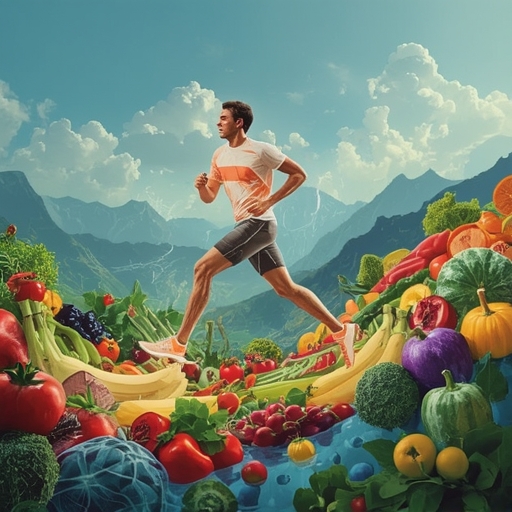
Her main meals often reflect an international flair, drawing upon Mexican- or Asian-inspired rice bowls that feature an abundant variety of colorful vegetables. This particular emphasis on color is intentional; she encourages both herself and her clients to “eat the rainbow,” a simple yet effective metaphor reminding them to include diverse fruits and vegetables throughout the week to ensure a broad spectrum of vitamins, minerals, and antioxidants. Cassandra Burke’s journey—from the vulnerability of a cancer diagnosis to the triumphant self-mastery of a triathlete and nutrition expert—illustrates how determination, informed dietary choices, and a balance between challenge and care can transform survival into a lifelong celebration of health and vitality.
Sourse: https://www.businessinsider.com/dietitian-cancer-survivor-shares-diet-tips-2025-12