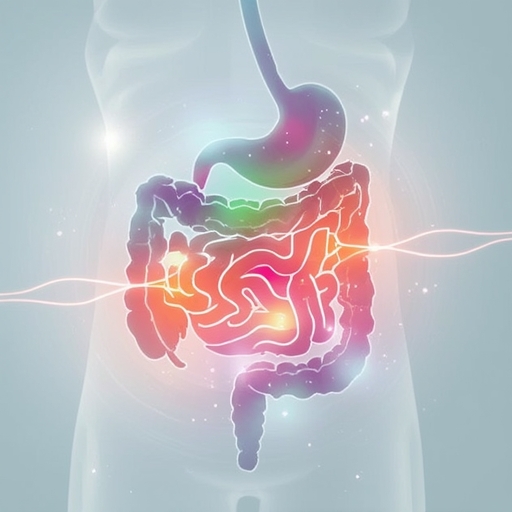
Colon cancer, once thought of primarily as a disease affecting older adults, is increasingly appearing in younger generations, an alarming trend that medical experts are urging the public to take seriously. This rise is particularly concerning because many individuals under fifty tend to dismiss or ignore early symptoms due to discomfort or embarrassment, delaying potentially life-saving medical attention.
Doctors emphasize that early detection and consistent preventive habits play a crucial role in reducing risk. In fact, even something as seemingly simple as maintaining a healthy daily routine — such as eating a fiber-rich diet, staying properly hydrated, and ensuring regular physical activity — can have a profound long-term impact on colon health. These small lifestyle practices collectively contribute to maintaining optimal digestive function, supporting cellular renewal, and lowering inflammation, all of which help protect the colon.
Embarrassment often acts as one of the greatest barriers to prevention and early diagnosis. Many individuals hesitate to discuss sensitive gastrointestinal symptoms or to undergo recommended screenings, such as colonoscopies, out of fear or social discomfort. However, physicians stress that awareness, openness, and early action far outweigh temporary unease. Overcoming these psychological hurdles can make the difference between early treatment and a late-stage diagnosis, where options become more limited and outcomes less favorable.
Healthcare professionals are calling for a broader cultural shift — one that normalizes conversations about digestive health and empowers people to prioritize screenings and healthy habits without stigma. This means speaking openly with healthcare providers, monitoring bodily changes, and encouraging loved ones to do the same. Education and open dialogue are key to saving lives.
Ultimately, cultivating one consistent daily habit aimed at improving gut health — whether it is incorporating more fruits and vegetables, reducing processed food intake, or engaging in mindful movement — represents an accessible, proactive step toward prevention. When integrated into daily life, these modest practices not only foster physical well-being but also serve as acts of self-respect and care.
Protecting your colon is not solely about undergoing medical tests; it is about adopting a mindset of awareness and self-responsibility. While embarrassment might be fleeting, the benefits of prevention are lasting. By taking charge of their health today, younger adults can rewrite the narrative surrounding colon cancer and ensure a healthier future for themselves and others.
Sourse: https://www.businessinsider.com/prevent-colon-cancer-how-to-tell-poop-is-normal-doctor-2026-4


