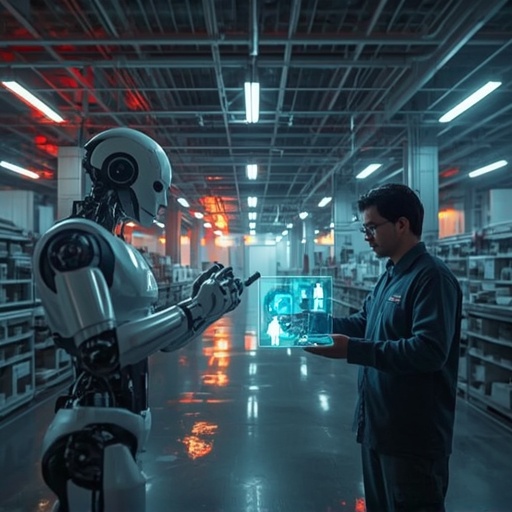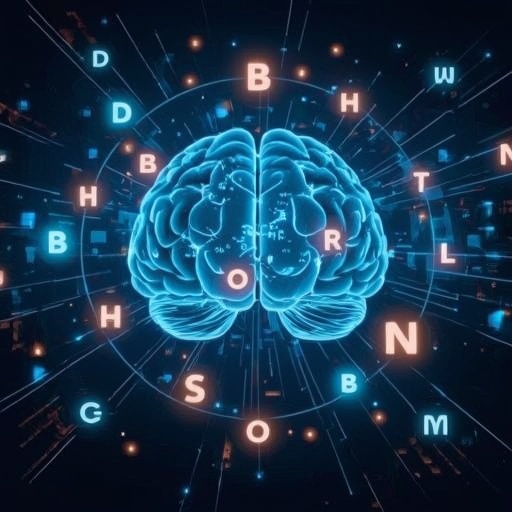
In the midst of the rapidly unfolding technological revolution, artificial intelligence stands not merely as a transformative tool but as a catalyst that is redefining the very fabric of human communication. This sweeping evolution is not confined to laboratories or data centers; rather, it permeates everyday discourse, reshaping the language with which we express ideas about technology, creativity, and the future. To thrive in this increasingly digital ecosystem, one must become fluent in a new lexicon—the intricate vocabulary that bridges human understanding and machine intelligence.
The terminology of artificial intelligence has expanded exponentially in recent years, encompassing concepts such as neural networks, deep learning, generative models, and natural language processing. Each of these terms represents both a technological mechanism and an idea that carries profound cultural implications. For instance, neural networks—once a purely academic notion—are now woven into common parlance, symbolizing systems that mimic the architecture of the human brain. Deep learning conveys the extraordinary depth of computational reasoning that powers innovations like self-driving vehicles or intelligent chat assistants. Meanwhile, generative models introduce us to a new creative frontier where algorithms can produce text, art, and music that mirror human craftsmanship.
Understanding this emerging linguistic framework is no longer a matter of curiosity; it has become an essential professional competency. As organizations integrate AI into operations from healthcare to finance, those who comprehend the subtleties behind these concepts can more effectively collaborate, innovate, and make informed decisions. Mastery of AI language empowers professionals not only to follow technological trends but also to shape the conversations that define them.
Equally significant is the way that new words transform everyday communication. Terms like prompt engineering or training data, which were once the exclusive domain of researchers, have entered casual dialogue, underscoring the democratization of technology. Being conversant in these expressions reflects a capacity to engage meaningfully with the digital transformation sweeping across industries. In the same way that literacy catalyzed the industrial age, fluency in AI terminology has become a marker of readiness for the era of intelligent automation.
Language and innovation have always evolved in tandem. Just as the invention of the printing press standardized written communication, today’s AI tools are standardizing new ways of describing cognition, creativity, and knowledge itself. This linguistic shift signifies more than semantic change—it reveals a collective adaptation to a world where technology continuously learns, interprets, and converses with us. Remaining literate in this vocabulary ensures that we do not merely witness the AI revolution but participate in it as articulate and empowered contributors.
Ultimately, embracing the words behind the AI boom means embracing the future of human expression. It is through this evolving dialogue that society negotiates the ethical, creative, and practical dimensions of artificial intelligence. To speak the language of AI is to speak the language of modern innovation—a dialect of discovery that connects people, machines, and ideas in a shared pursuit of progress.
Sourse: https://www.businessinsider.com/ai-terms-definitions-glossary