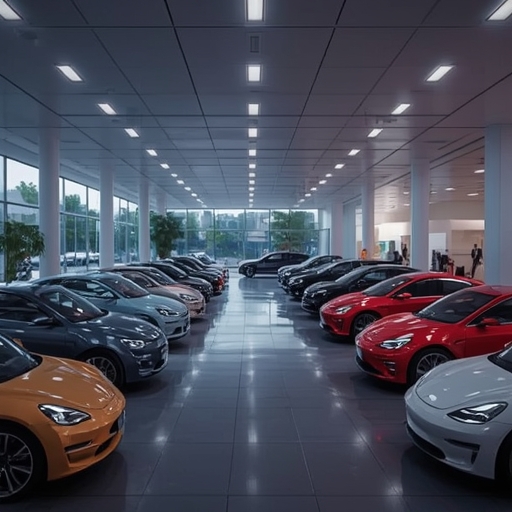
The electric vehicle (EV) sector is approaching a critical juncture that promises to reshape both consumer accessibility and the broader sustainability landscape. Over the next several years, analysts project a substantial influx of pre-owned electric vehicles entering the market as tens of thousands of leases reach their term. This gradual but steady release of used EVs will likely exert downward pressure on prices, ushering in a new era of affordability for environmentally conscious drivers who may have previously deemed such technology financially out of reach.
The significance of this development extends far beyond mere cost reduction. For years, the high upfront investment associated with purchasing an electric vehicle has served as a formidable obstacle for many potential buyers. By enriching the secondary market with a larger inventory of well-maintained, previously leased EVs, the industry directly addresses one of its most persistent hurdles — affordability — thereby widening the pathway to clean energy adoption. Lower entry prices will empower individuals, families, and small businesses to replace internal combustion vehicles with sustainable alternatives, accelerating collective progress toward decarbonization goals.
Furthermore, this trend holds implications for an array of interconnected industries. Charging infrastructure providers, renewable energy suppliers, aftermarket service specialists, and EV financing institutions stand poised to benefit from the expanded user base that a more affordable electric fleet will attract. As used models become accessible through both dealerships and peer-to-peer marketplaces, a ripple effect of innovation and employment opportunities is anticipated across maintenance, battery recycling, and smart grid integration sectors.
It is also worth noting that advancements in battery longevity and technological design ensure that today’s secondhand electric vehicles still deliver impressive performance and efficiency. With updated software systems, extended ranges, and reduced maintenance requirements, these vehicles often retain a high degree of reliability and functionality even after several years of use. Consequently, prospective buyers will not be compromising quality while embracing sustainability.
In essence, the approaching wave of used EVs represents far more than a logistical shift in supply and demand. It symbolizes a democratization of access to clean technology — a bridge between innovation and inclusivity. As costs diminish and options multiply, sustainable mobility will no longer remain a privilege for a select group but will evolve into a realistic, attractive choice for mainstream consumers. This profound transition not only fuels the marketplace but also fortifies global efforts toward carbon neutrality, heralding a future where electric mobility is both economically attainable and ecologically essential.
Sourse: https://www.theverge.com/tech/918765/an-influx-of-used-evs-could-drive-down-prices


