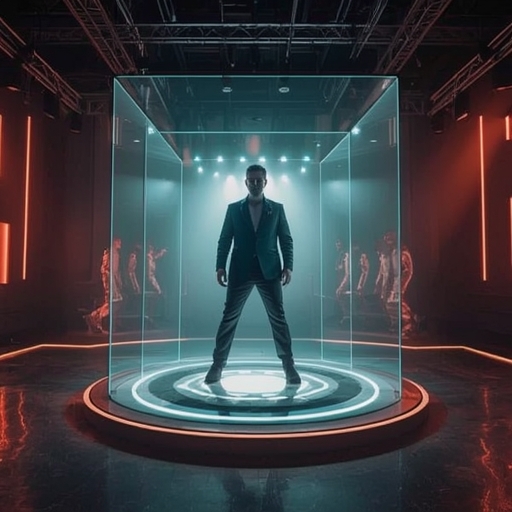
In an era where technological progress continually redefines the boundaries of human creativity, a new cinematic project stands as a remarkable convergence of art, innovation, and memory. This film intends to bring a legendary actor back to the silver screen, not through conventional performance but by means of advanced artificial intelligence. Using sophisticated visual modeling and digital reconstruction, the actor’s likeness will once again inhabit the cinematic world, offering audiences an opportunity to experience their presence in a new and deeply emotive form. Crucially, every stage of this ambitious undertaking has been developed with the full endorsement and emotional support of the performer’s family, ensuring that this digital resurrection honors the individual’s legacy rather than exploits it.
This development represents far more than a technical experiment; it introduces a profound dialogue about the evolving relationship between innovation and ethics in the entertainment industry. The notion of reviving a performer through AI leads us to grapple with questions of identity, creative ownership, and posthumous consent. While for some, the project may symbolize a touching tribute that immortalizes artistic genius beyond mortality, others may interpret it as a potentially intrusive step into the delicate realm of human memory and dignity. The philosophical implications are as significant as the technological achievements themselves, calling for thoughtful reflection on how far we are willing to extend the capabilities of artificial intelligence in recreating personality and emotion.
From a creative perspective, the possibilities unlocked by such digital artistry are immense. Filmmakers can now construct narratives that transcend time, merging the talents of past and present in ways once deemed impossible. Yet, with this creative freedom comes responsibility: how can storytellers preserve authenticity and respect while embracing these innovations? In this case, the collaboration between technologists and the actor’s family demonstrates a sincere commitment to integrity, illustrating that technology can coexist harmoniously with compassion when guided by empathy and ethical awareness.
Ultimately, this film is not just a showcase of digital craft but a meditation on legacy — a poignant reminder that art and memory, when handled with reverence, can evolve without losing their soul. It challenges us to envision a future where the boundaries between human performance and artificial recreation are both blurred and beautifully balanced, leading us to reconsider what it truly means to keep a creative spirit alive in the age of intelligent machines.
Sourse: https://gizmodo.com/val-kilmer-to-be-ai-ed-into-movie-with-blessing-of-his-family-2000735368