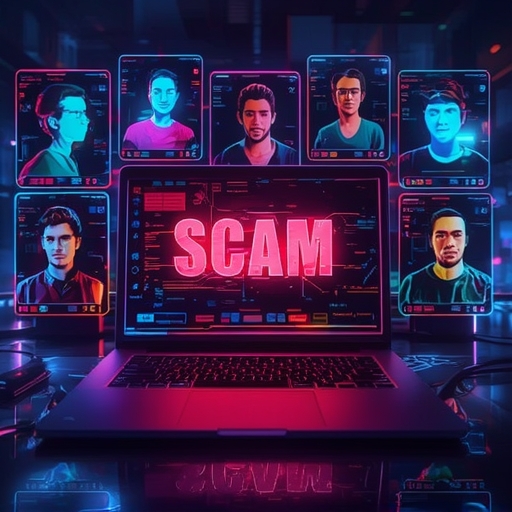
Across the rapidly evolving digital landscape, a new and increasingly sophisticated form of deception has emerged — artificial intelligence–generated deepfakes featuring the faces and voices of well-known public figures. These fabricated videos are being strategically deployed on platforms such as TikTok, where their realism allows scammers to craft convincing promotional clips for nonexistent rewards, fraudulent investment opportunities, and other deceptive services. By exploiting the public’s trust in recognizable personalities, malicious actors are creating a dangerous fusion of technology and manipulation that can mislead even cautious viewers.
This phenomenon underscores a broader and more urgent reality: digital literacy and critical evaluation are no longer optional skills but essential defenses in a world where authenticity can be forged with precision. Before engaging with any online offer, users should take deliberate steps to verify sources, cross-check official accounts, and remain skeptical of content that seems engineered to provoke immediate reactions. What once required advanced editing tools can now be accomplished in seconds through AI-driven platforms — and the consequences for misinformation and online fraud are profound.
The rise of deepfake scams also highlights a collective responsibility that extends beyond individual vigilance. Social platforms, regulators, and technology developers must intensify efforts toward authentication technologies, content verification frameworks, and public awareness campaigns that educate users on how to recognize synthetic media. Promoting transparency in digital content and equipping users to distinguish between human and machine-generated personas will form the foundation of safer online ecosystems.
Ultimately, the message is clear: not every familiar face that smiles back from a screen belongs to the person it appears to represent. In an era defined by algorithmic creativity and synthetic identities, wisdom lies in cautious curiosity and informed skepticism. By questioning what we see, we strengthen our ability to navigate — and survive — the deepfake-driven future of digital communication.
Sourse: https://www.theverge.com/ai-artificial-intelligence/920351/ai-celebrity-deepfake-ads-tiktok-copyleaks


