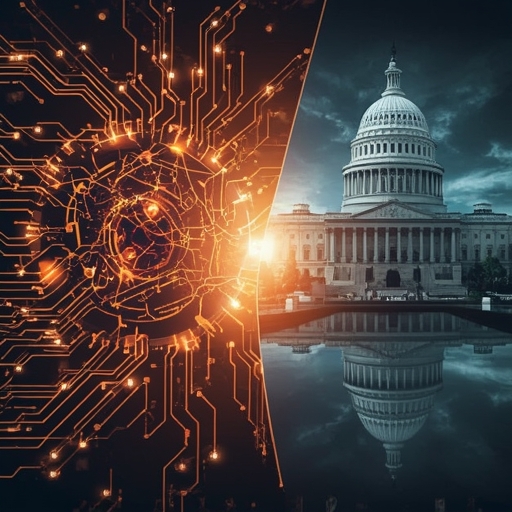
A growing ethical storm is taking shape at the intersection of technology, governance, and national defense. Recent reports indicate rising tensions between Anthropic—a leading company in artificial intelligence research—and the United States Department of Defense. At the heart of this dispute lies a complex question: should AI systems be made available to the military for all lawful purposes, or should their creators impose ethical limits on their use?
According to investigative coverage from Axios, the Pentagon is seeking unrestricted access to advanced AI technologies, desiring the freedom to deploy them in any capacity deemed legally permissible. This stance reflects a longstanding principle of military pragmatism—maximizing available tools to enhance defense strategies and operational efficiency. However, Anthropic has reportedly expressed significant hesitation, arguing that allowing such open-ended usage could undermine core ethical standards and set a dangerous precedent for the governance of intelligent systems.
This confrontation symbolizes a broader philosophical and regulatory debate rippling through the technology sector. On one side stands the imperative of national security—a responsibility that government agencies and defense contractors consider paramount. On the other lies the moral duty of AI developers to ensure their creations are used in ways that align with principles of safety, transparency, and human-centered values. In practice, this tension brings to light critical questions: how much control should private tech companies retain over the uses of their innovations once deployed, and where should the boundaries of lawful application end when ethical consequences are uncertain?
Anthropic’s decision to resist unlimited military integration demonstrates the company’s commitment to precaution and principled governance. It suggests that the organization prioritizes long-term societal stability over immediate governmental partnership, reflecting a belief that unchecked deployment of AI tools—especially in contexts capable of influencing warfare or surveillance—could lead to unintended outcomes that threaten civil liberties and ethical norms. Meanwhile, the Pentagon’s request underscores the urgency of maintaining technological superiority in defense, particularly as rival nations accelerate their own AI advancements.
This conflict thus encapsulates an emerging challenge for twenty-first-century innovation: reconciling the rapid progression of artificial intelligence with the moral frameworks required to guide its use responsibly. The debate reaches far beyond any single company or agency; it forces society as a whole to reconsider what oversight mechanisms, accountability structures, and collaborative agreements are essential to prevent misuse while fostering progress. As AI continues to evolve from abstract research to real-world application, striking the balance between ethical stewardship and strategic necessity will define the next chapter of technological development.
In essence, Anthropic’s resistance to Pentagon demands is not merely a corporate decision—it represents a defining moment in the broader discourse on how humanity chooses to shape the relationship between intelligence, power, and responsibility. The outcome of this debate will likely serve as a precedent for future negotiations between private innovators and state institutions, influencing global standards for the governance of AI in both military and civilian contexts.
Sourse: https://techcrunch.com/2026/02/15/anthropic-and-the-pentagon-are-reportedly-arguing-over-claude-usage/