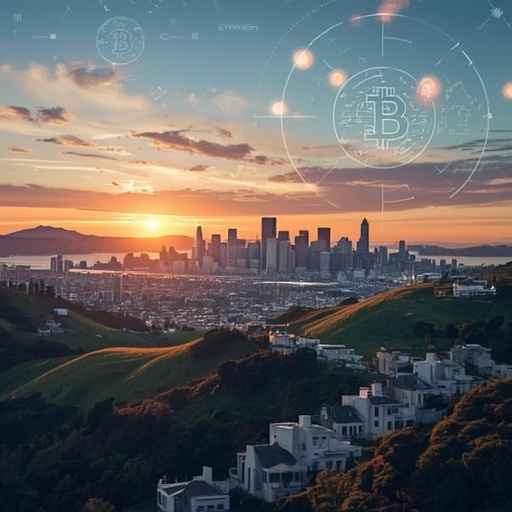
San Francisco’s housing market has reached an astonishing pinnacle, one that seems almost surreal in its intensity and pace. The city, already known worldwide for its blend of innovation, ambition, and sky-high living costs, has now been propelled into an unprecedented era of real estate fervor. This transformation stems largely from two powerful economic catalysts: the explosion of artificial intelligence–driven wealth and the resurgence of technology companies preparing for public offerings. Together, these forces have created a surge of affluence that is reshaping the urban landscape in profound and lasting ways.
In this new reality, overnight fortunes born from AI breakthroughs and billion-dollar valuations have set off bidding wars of extraordinary scale. Properties that once lingered on the market are now selling in record time, often at sums exceeding even the most ambitious appraisals. For long-standing residents, this phenomenon is as bewildering as it is disheartening. What was once a city of dreamers, artists, and innovators has been increasingly transformed into a domain of elite wealth, where competition extends far beyond the professional realm and into the basic act of securing a place to live.
From the bustling corridors of Silicon Valley to the quiet, winding neighborhoods of the city’s hills, the impact is unmistakable. Tech entrepreneurs flush with capital are snapping up luxury homes not merely as residences but as statements of dominance and success. Meanwhile, ordinary professionals and families find themselves edged out, facing skyrocketing rents and dwindling options. The imbalance encapsulates a broader tension that defines modern urban life: the intersection between technological progress and social disparity.
For those observing this economic metamorphosis, San Francisco serves as both a warning and a case study. It demonstrates how innovation, while driving progress, can also magnify inequality when left unchecked. The city’s skyline, adorned with architectural marvels and futuristic designs, mirrors the dual nature of its prosperity — dazzling at a distance but increasingly inaccessible to many who once called it home.
Speculators and investors, too, sense opportunity amid the upheaval. With each new AI success story or IPO announcement, demand intensifies further, drawing a modern-day gold rush of capital into the Bay Area’s already constricted housing supply. Real estate agents now speak less of open houses and more of private negotiations, sealed bids, and luxury cash offers. Transactions unfold at lightning speed, and the emotional toll on would-be homeowners grows heavier with every lost bid.
This phenomenon is not merely an economic trend but a cultural one. It redefines what it means to belong in a city once celebrated for inclusivity, creativity, and resilience. San Francisco was historically where visionaries came to imagine the future; now, the future they built seems to have priced many of them out. The city, glittering beneath its iconic skyline, is evolving into something both awe-inspiring and unsettling — a symbol of boundless technological triumph entwined with stark human consequence.
Ultimately, the story of San Francisco’s housing frenzy is not just about property values or wealth accumulation; it is a microcosm of the broader transformation shaping modern economies. As AI continues to generate immense riches and as new waves of venture-backed success ripple through society, questions of accessibility, equity, and community will only grow louder. The city’s current moment captures the paradox of progress itself: breathtaking innovation paired with complex social realities, all unfolding against one of the world’s most beautiful backdrops.
Sourse: https://www.businessinsider.com/san-francisco-housing-market-real-estate-home-prices-ai-boom-2026-6