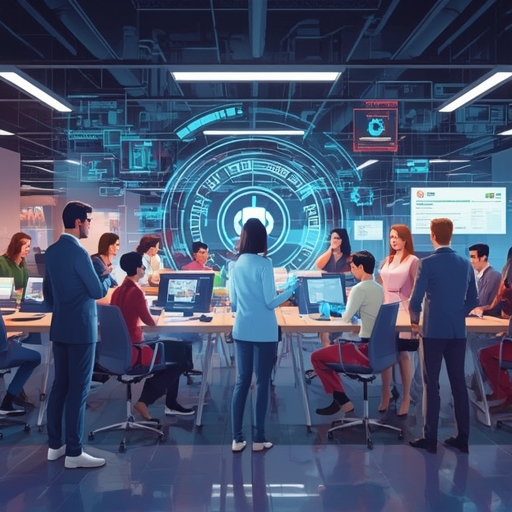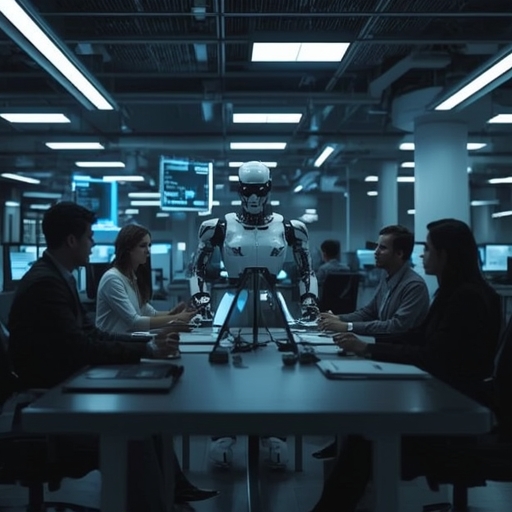
By the year 2026, the world may find itself at the precipice of a profound and destabilizing shift—a transformation propelled not by slow technological drift, but by the exponential acceleration of artificial intelligence and automation. Visionaries and AI researchers alike now sound the alarm that the fast-approaching advances in machine learning, robotics, and cognitive automation could unleash an entirely new wave of job displacement across global industries. What was once a distant speculation has rapidly become an imminent socioeconomic concern.
This evolving reality is not confined to a single sector or profession. From manufacturing floors increasingly populated by autonomous systems, to digital offices where algorithms can perform analytical tasks faster and more precisely than their human counterparts, every segment of the labor market is being touched. Entire categories of work once deemed immune to automation—those involving judgment, creativity, or interpersonal nuance—are now being reexamined under the lens of AI’s expanding capabilities. The notion that machines are capable only of routine, repetitive labor no longer holds true; they are learning to reason, generate, and even converse at near-human levels.
Such potential for disruption raises an urgent and deeply human question: are we genuinely prepared for what is coming next? If present trends continue and automation reaches the predicted scale, millions may soon find their roles obsolete or radically reshaped. Yet the challenge is not merely to anticipate job losses—it is to design a collective response that empowers individuals and institutions to adapt. The key lies in proactive transformation: strategic investment in reskilling initiatives, thoughtful integration of AI tools within enterprises, and deliberate policy frameworks that promote both innovation and equity.
Business leaders and policymakers must therefore move beyond reaction and toward reinvention. Organizations that embrace upskilling as part of their strategic DNA will create a workforce capable of thriving alongside advanced technologies rather than competing against them. Governments, meanwhile, have the responsibility to foster educational ecosystems that equip citizens not just with technical fluency but with the critical thinking and adaptability required in a rapidly evolving digital economy.
This coming shift is not solely a technological story—it is, fundamentally, a human one. Behind every algorithm and automation process stand the lives, ambitions, and livelihoods of working people around the world. Navigating this moment successfully demands a balance between technological ambition and ethical foresight, between efficiency gains and social inclusion. As we stand at the threshold of 2026, one truth has never been clearer: the future of work will not simply happen to us—it will be shaped by the choices we make today. The question remains: will we meet this transformation with preparation, creativity, and courage, or with hesitation and regret? The answer will define the next chapter of the digital age.
Sourse: https://www.businessinsider.com/godfather-of-ai-geoffrey-hinton-2026-job-losses-2025-12