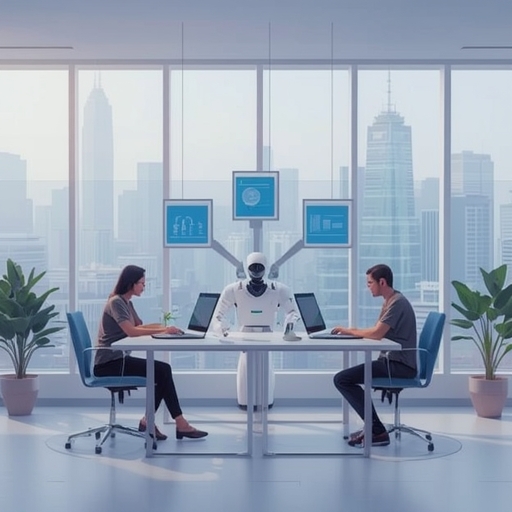
Artificial intelligence is rapidly reshaping the global workforce, fundamentally transforming how people think about employment, productivity, and personal fulfillment. This technological evolution has not only automated routine tasks and redefined traditional roles but has also opened entirely new economic avenues. Rather than simply eliminating jobs, AI is redistributing opportunities across industries, encouraging individuals to pursue flexible, skill-based engagements that better align with modern lifestyles.
Amid this shift, digital gig platforms such as Taskrabbit have seen remarkable growth. According to CEO Ania Smith, the platform has witnessed a noticeable surge in people seeking independent, project-based work — ranging from skilled trades like plumbing, furniture assembly, and painting to creative and organizational projects that allow workers to capitalize on specialized talents. These trends suggest that flexibility, autonomy, and immediate income potential are becoming the new cornerstones of professional life, replacing the once-dominant paradigm of long-term corporate employment.
The rise of gig work reflects a profound cultural and economic adaptation. As AI systems increasingly handle administrative, analytical, and manufacturing functions, human workers are gravitating toward tasks that emphasize physical presence, craftsmanship, and interpersonal service — areas where automation still struggles to replicate human nuance. Taskrabbit’s community of specialists demonstrates how technology can empower rather than displace workers, using digital tools to connect labor with real human needs more efficiently than ever before.
This evolution also carries broader implications for education, training, and business strategy. Companies must rethink how they engage talent, moving toward modular workforces that combine AI-driven efficiency with human adaptability. Individuals, in turn, are discovering that embracing flexibility — whether as a side income source or a full-time pursuit — provides both resilience and creative satisfaction in an uncertain economic environment.
Ultimately, as artificial intelligence continues to advance, the most successful workers will likely be those who merge technological literacy with dynamic problem-solving and a willingness to redefine career boundaries. The fusion of AI and gig-based labor, exemplified by platforms like Taskrabbit, underscores a new era in which independence, innovation, and digital collaboration shape what it truly means to work in the twenty-first century.
Sourse: https://www.businessinsider.com/ai-labor-market-disruptions-taskrabbit-jobs-opportunities-ceo-ania-smith-2026-2