The cinematic landscape has entered a fascinating yet disconcerting new phase, one in which artificial intelligence increasingly dictates not just the technical details of production, but also the very soul of storytelling itself. What were once the cheaply made, direct-to-video releases designed to capitalize on fleeting trends have now been replaced by algorithmically conceived ‘AI slop movies’—productions generated with astonishing speed, minimal creative oversight, and a clear focus on virality rather than vision. These works often mirror the surface aesthetics of traditional films, boasting polished visuals and familiar narrative beats, yet they lack the ineffable spark of human imagination that has long defined meaningful cinema.
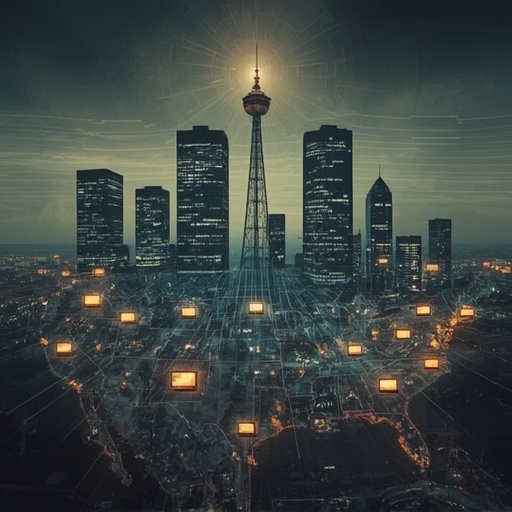
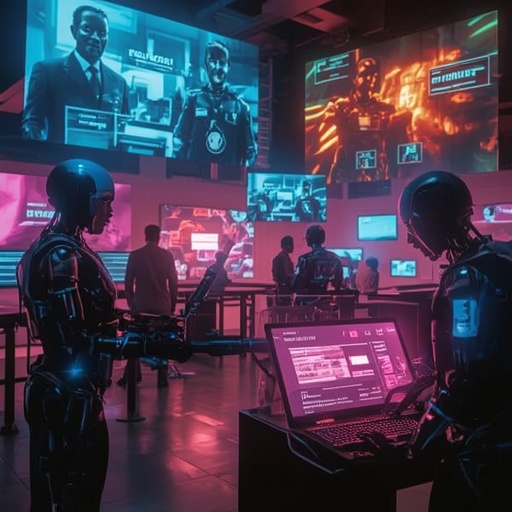
This transformation speaks to more than just advances in filmmaking technology—it captures a shift in cultural priorities. Where once filmmakers labored over scripts, performances, and editing to evoke emotion and provoke thought, today’s AI-driven model places efficiency, trend optimization, and social media engagement above artistic expression. Imagine a studio boardroom where sophisticated algorithms analyze global viewing habits, predicting which visual textures, plot structures, and emotional tones will best retain audience attention. The result is a conveyor belt of films that feel simultaneously futuristic and derivative—each release carefully engineered to maximize watch time, engagement, and cultural reach, but rarely to enrich the viewer’s soul.
In this brave new world of machine-made entertainment, audiences find themselves asking a profound question: what role does humanity still play in art that is produced, shaped, and refined by code? For some, this trend represents a thrilling democratization of creativity—anyone, with enough processing power, can generate a visually stunning movie overnight. For others, it marks the slow erosion of the deeply personal craft that once made cinema such a singularly human experience. It is as though film, a medium born from the merging of technological innovation and artistic vision, has now come full circle—becoming a product optimized for data, not discovery.
And yet, as unsettling as this may seem, it also presents a challenge and an opportunity for filmmakers and audiences alike. Perhaps the rise of AI-generated cinema will force us to better define what authenticity and creativity truly mean in the digital age. The future of storytelling, then, may depend not only on algorithms capable of mimicking art, but on human beings brave enough to preserve its heart, depth, and imperfection—the very qualities no machine can replicate.
Sourse: https://www.theverge.com/entertainment/965616/ash-koosha-odysseus-the-fall-foundtain-zero-tilly-norwood