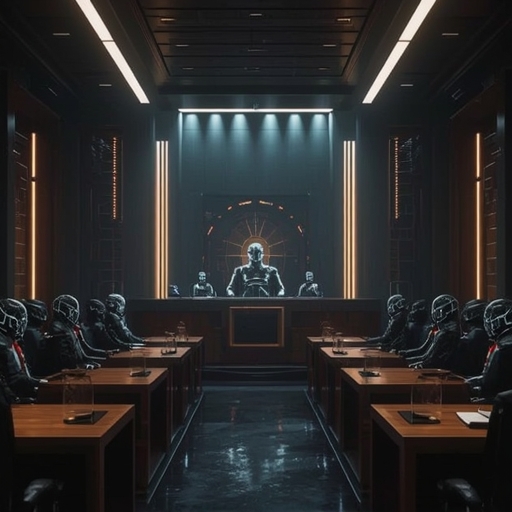
The global technology sector is preparing for one of the most consequential legal battles in recent memory: an upcoming trial that will see two of the most influential artificial intelligence powerhouses face each other in court this April. The decision by a California judge to advance the case to trial signifies that there is substantial evidence warranting a full judicial examination, a move that has ignited wide discussion throughout both the legal and tech communities.
This development represents far more than a standard courtroom dispute — it stands as a defining moment for the rapidly evolving world of AI governance, intellectual property, and technological ethics. As artificial intelligence systems continue to revolutionize industries and societal structures, questions of responsibility, transparency, and ownership of innovation grow increasingly complex. The trial’s proceedings will likely set important precedents regarding how legal systems evaluate proprietary AI models, data usage practices, and claims of misappropriated technology.
Industry observers view this confrontation not merely as a test of competing corporate interests but as a reflection of the broader ethical and strategic dilemmas that accompany unprecedented advancements in machine learning. For executives, engineers, and policymakers alike, the implications are vast: the court’s eventual findings could influence how global regulations are framed, how collaborative research is approached, and how accountability is assigned in the AI-driven era.
The case also underscores the rising tension between innovation and oversight. On one hand, pushing technological boundaries fuels progress and economic growth; on the other, it raises legitimate concerns about data integrity, security, and fair competition. A judgment in such a high-profile setting will inevitably ripple across the technology landscape, shaping future discourse on ownership rights, algorithmic transparency, and the moral responsibilities of AI developers.
While the specifics of the allegations have yet to be fully adjudicated, the symbolic significance of this trial is already evident. It encapsulates the growing realization that artificial intelligence, for all its promise and transformative potential, must coexist with a robust framework of law and ethics to ensure global trust and long-term sustainability. As April approaches, the attention of innovators, investors, and ethicists is fixed firmly on California, where the intersection of human judgment and artificial intelligence will once again redefine the boundaries of possibility.
Sourse: https://www.businessinsider.com/sam-altman-elon-musk-get-under-oath-lawsuit-2026-2