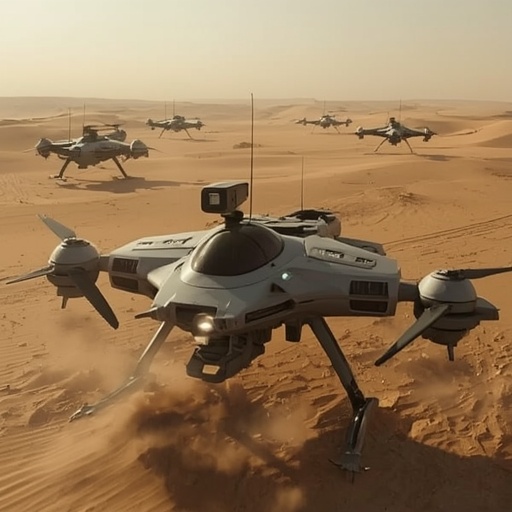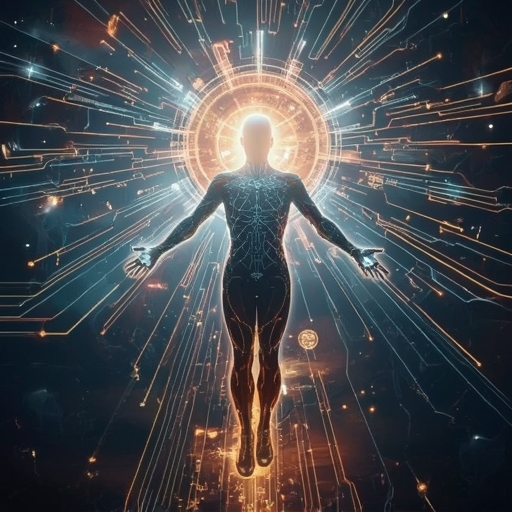
Across history, humanity has continuously created symbols to express leadership, divinity, and collective identity. Today, however, artificial intelligence redefines this very process. Machine-made imagery, generated through advanced algorithms, is now capable of producing digital icons that merge technological precision with mythic imagination. This phenomenon blurs the separation between artistic expression, cultural influence, and political communication. When political figures or public leaders are reimagined by AI into near-religious or hyper-stylized representations, it raises fundamental questions about authenticity, belief, and the construction of modern mythology.
In this emerging landscape, digital art ceases to be merely an aesthetic exercise; it becomes an instrument through which ideology, popularity, and personal branding intertwine. AI systems trained on vast datasets replicate and reinterpret human creativity, synthesizing recognizable attributes—powerful posture, divine illumination, symbolic gestures—into visually arresting portraits that echo centuries of religious or heroic art. In doing so, they challenge the boundary between authenticity and fabrication: Is such imagery a democratic expansion of artistic tools, or does it risk turning leadership into spectacle, reducing complex individuals into algorithmic archetypes?
The ethical dimensions of this transformation are equally profound. As algorithms shape visual narratives, questions of authorship and intent become less clear. The artist may no longer hold full control over meaning; instead, aesthetic authority is shared—or perhaps contested—between the human creator and the generative model. This shared authorship prompts reflection on accountability: if an AI-crafted portrayal alters public trust or fuels ideological mythmaking, who bears responsibility for its impact?
Yet, within this uncertainty lies creative potential. The fusion of human intuition and machine inference opens an unparalleled field for experimentation. Artists can visualize abstract ideas—innovation, faith in progress, digital transcendence—with a complexity unattainable through traditional mediums. The result is an evolving visual language that mirrors society’s fascination with technology as both a tool of empowerment and a new source of reverence.
Ultimately, the rise of AI-generated iconography invites viewers to reconsider their relationship with images of power and belief. In an age where algorithms can sculpt cultural symbols in seconds, discernment becomes an act of intellectual resistance. To navigate this new artistic frontier, we must balance admiration for technological artistry with critical awareness of its influence. The modern digital myth, it seems, is not formed in temples or studios alone—but in the endless dialogue between human imagination and the computational gaze that now mirrors it back at us.
Sourse: https://www.theverge.com/column/912627/trump-jesus-ai-whcd-penguin-meme