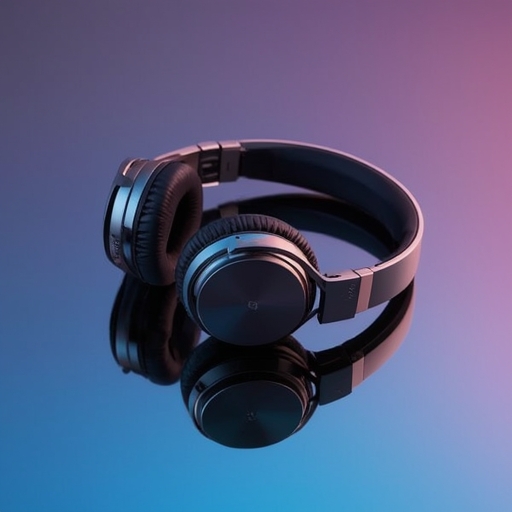
Both the AirPods Max 2 and the AirPods Pro 3 have been equipped with Apple’s advanced H2 audio chip, establishing a shared foundation for their software capabilities and overall sound quality. This identical processing engine allows each model to benefit from Apple’s newest suite of intelligent listening features, such as Adaptive Audio, Live Translation, and Conversation Awareness, all designed to tailor the sound experience fluidly in real time.
For dedicated Apple enthusiasts, the AirPods Max 2 are the natural centerpiece of an integrated setup. With their luxurious over-ear design and deep software integration across Apple devices, they deliver an almost studio-grade sound experience that appeals to users immersed in Apple’s broader ecosystem. By contrast, individuals who primarily rely on an iPhone may find more practicality and day-to-day convenience in the AirPods Pro 3, whose compact and waterproof construction make them a highly adaptable tool for communication, exercise, and travel. Meanwhile, those living in multi-platform environments—where Apple devices are used alongside Windows PCs, Android tablets, or other brands—will likely find superior value in rival over-ear headphones from companies such as Sony or Bose.
The arrival of the AirPods Max 2 has undeniably sparked curiosity among potential buyers, especially among those contemplating their first investment in Apple’s high-end over-ear headphones. Yet, the $549 price tag can cause hesitation. The key consideration lies in what aspects of Apple’s technology most appeal to you. If your focus is primarily on Apple’s suite of smart features—like spatial audio enhancements, virtual translations, adaptive listening profiles, and intuitive voice interactions—then opting for the AirPods Pro 3, paired with a high-quality set of non-Apple over-ears, might be a more balanced and cost-effective decision.
From a software perspective, both earphones stand remarkably close. Because they share the same H2 chip, each model supports features including Adaptive Audio that intelligently adjusts to your surroundings, exceptional noise cancellation modes for immersive concentration, and Transparency Mode for environmental awareness. Likewise, both offer Personalized Volume settings, a Camera Remote function, Voice Isolation for clearer speech, and a fluid connection to Siri.
Both the AirPods Pro 3 and the AirPods Max 2 are also capable of Apple’s studio-quality voice recording, which significantly refines vocal clarity in phone calls, FaceTime conversations, audio memos, and compatible third-party applications. Each supports Audio Sharing for listening with two pairs of AirPods or Beats at once, and both can connect to an Apple TV 4K with full Spatial Audio support, enhancing immersion for movies and games alike.
Between product generations, Apple concentrated on refining the acoustic engineering of the AirPods Pro 3. The latest iteration introduces 10.7mm high-excursion drivers for deeper, more resonant bass and a high-dynamic-range amplifier that brings extra liveliness and richness to the sound. New venting ports expand the soundstage, while improved microphones and enhanced signal-processing algorithms yield clearer sound reproduction and more precise noise cancellation. Additionally, the Pro 3 feature Apple’s second-generation U2 ultra-wideband chip, which allows for pinpoint accuracy when locating the earbuds through the Find My network. This generation also introduces a reshaped ergonomic design for a more comfortable fit, an elevated IP57 water-resistance rating, and integrated infrared sensors that can measure heart rate and approximate calorie expenditure during workouts.
In comparison, the AirPods Max 2 benefit from the same H2 processing platform as the Pro 3 but are optimized for a full-scale over-ear experience. These headphones emphasize superior audio fidelity across music playback, cinematic viewing, and gaming sessions. When paired with an Apple TV 4K or other Apple devices, their high-dynamic-range amplifier refines subtle audio textures and provides remarkable clarity. Their support for ultra-low latency and 24-bit/48kHz lossless audio through a wired USB-C connection—mirroring capabilities in the 2024 USB-C revision—extends the potential for audiophile-grade listening. Visually and ergonomically, they maintain the same weight distribution, plush ear cushions, Smart Case, and color palette as the previous model while offering a reliable 20-hour battery life.
For users who possess only an iPhone, the AirPods Pro 3 are the more logical choice. They deliver virtually every significant Apple feature found in the Max 2 at a fraction of the footprint—and price. Given their resistance to water, built-in health sensors, and easier maintenance, they particularly excel in settings that demand portability and durability, such as the gym, outdoor commutes, or busy workdays. The microphones located near the bottom of the stem capture speech closer to the mouth for improved vocal clarity, and the enhanced seal of the eartips provides both passive and active noise isolation to keep ambient sounds at bay.
In everyday use, these earbuds demonstrate tremendous flexibility: they can be worn while working, shopping, taking calls, or traveling. Transparency Mode proves invaluable during activities like driving, as it maintains awareness of traffic sounds without needing to remove the earbuds. Compact, pocket-friendly, and comfortable, the AirPods Pro 3 integrate seamlessly into virtually any lifestyle.
Conversely, the AirPods Max 2 truly reveal their worth when connected across multiple Apple devices. Users who regularly operate an iMac, MacBook, and iPad—whether for music production, creative work, or immersive entertainment—will find these over-ears deeply synchronized with their workflow. The automatic, context-aware device switching allows the headphones to transition effortlessly between sources: from a MacBook during a Zoom call to an iPhone when a call arrives, or to an iPad for streaming. This powerful feature amplifies convenience for those deeply embedded within Apple’s hardware and software ecosystem.
Nevertheless, for those who prefer to pair their Apple earbuds with non-Apple over-ears, several alternatives remain strong contenders. The Bose QuietComfort Ultra (2nd Generation) offers superb noise cancellation and a lightweight profile ideal for both lengthy flights and daily workouts. These headphones boast around 30 hours of battery life and support USB-C audio up to 16-bit/48kHz—sufficient for most listeners and gamers alike. They also operate flawlessly across device types, making them particularly appealing to owners of mixed hardware ecosystems.
Similarly, Sony’s WH-1000XM6 headphones continue the company’s tradition of excellence in audio performance and adaptive noise control. Lighter and more travel-friendly than the AirPods Max 2, they cater to commuters and frequent travelers seeking balanced sound and user control. With codec support for LDAC and LC3 and an advanced equalizer, Sony’s XM6 provides ample tools for sound personalization.
Ultimately, ZDNET’s expert advice boils down to a simple but crucial distinction: if your technological world revolves largely around an iPhone, the AirPods Pro 3 will deliver the greatest return on investment through their versatility, intelligent feature set, and convenience. On the other hand, if your Apple environment extends across desktops, laptops, tablets, and entertainment hubs, the AirPods Max 2 stand as the flagship choice, maximizing cross-device audio quality and connectivity. For those dissatisfied with the Max line’s physical characteristics—its weight, fit, or case design—high-performing over-ears from Sony and Bose remain excellent alternatives, merging expansive sound performance with comfort and adaptability.
Sourse: https://www.zdnet.com/article/apple-airpods-max-2-vs-airpods-pro-2-comparison/