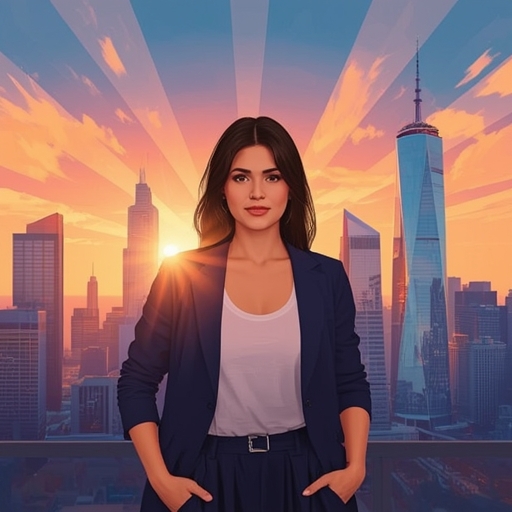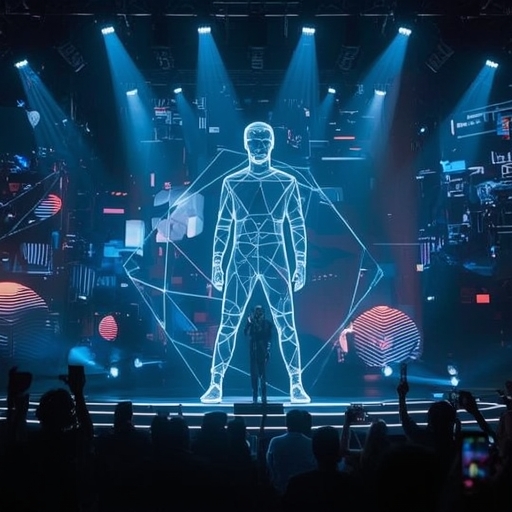
Artificial intelligence appears to be steadily discovering its creative rhythm, yet it remains far from delivering a flawless encore that could fully rival genuine human artistry. The debut of a new virtual pop phenomenon stands as both an emblem of technological promise and a vivid illustration of its persistent shortcomings. This synthetic performer, the product of countless algorithms and vast datasets, offers a glimpse into the dazzling potential of generative AI while simultaneously revealing the structural gaps that separate human creativity from machine computation.
The project’s release was not simply a bid for chart-topping fame, but a deliberate experiment meant to examine how advanced neural networks engage with the intangible qualities of art—emotion, intuition, and cultural awareness. Each pixel and note synthesized by the AI reminds us that, although the technology can perfectly replicate rhythm, pattern, and melody, it still struggles to capture the emotional nuance that breathes life into authentic creative expression. In other words, the system can produce the technical semblance of art, yet the human experience it endeavors to emulate remains only partially understood.
This virtual performance invites us to reflect on a broader conversation about the future of creativity in an era ruled by algorithms. It signals how swiftly generative models evolve and how convincingly they can imitate the textures of originality. Still, the gap between simulation and sentiment remains profound. For instance, while the AI’s harmonies possess precise structure and balance, they lack the subtle imperfections—the trembling voice or the spontaneous improvisation—that make human artistry deeply moving. The performance, though spectacular in design and execution, feels more like a masterful technological demonstration than a heartfelt artistic confession.
Yet therein lies the paradox that makes this development so fascinating: innovation thrives at the border between what a machine can calculate and what only a human can feel. The creation of a digital pop idol therefore becomes more than an entertainment novelty; it becomes a profound mirror reflecting the limits and aspirations of creative AI. What emerges is a testament to how far we have progressed toward mechanizing imagination—and how far we must still go before technology learns not merely to compose, but to comprehend.
Ultimately, this experiment underscores the enduring truth that artificial intelligence, however advanced, cannot yet encapsulate the full essence of emotion or intuition that defines human creativity. Progress will continue, of course, reshaping industries and inspiring new artistic frontiers. But for now, the melody of the future resonates clearly: we may have taught our machines to sing, though the soul behind the song remains unmistakably human.
Sourse: https://www.businessinsider.com/tilly-norwood-ai-music-video-jobs-hollywood-2026-3