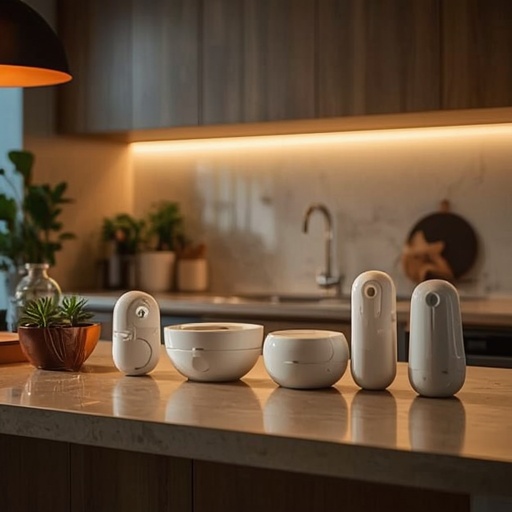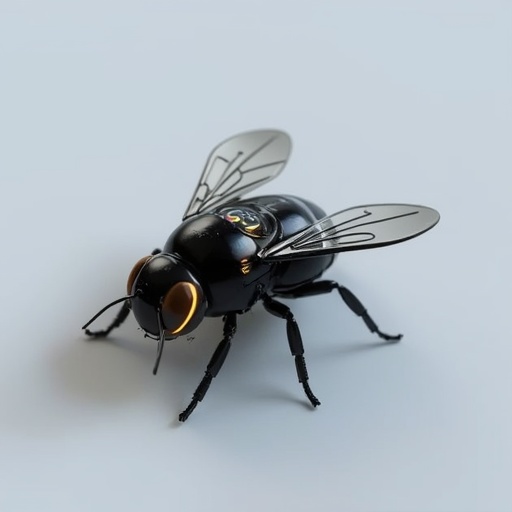
Amazon’s Bee wearable represents one of the most intriguing intersections between emerging artificial intelligence and human-centered technology. This compact, bee-shaped device is marketed as a personal assistant that sits quietly in the background—ready to help its user navigate daily life with unprecedented convenience. Yet beneath its sleek, understated exterior lies a profound tension between technological progress and the preservation of personal privacy.
The Bee is small enough to feel almost invisible, but its sensing capabilities grant it a surprisingly deep understanding of user behavior. Built with advanced AI algorithms, it continuously interprets context—your tone of voice, surroundings, and even conversational patterns—to anticipate your needs before you speak them aloud. On one hand, this level of assistance feels revolutionary, an almost frictionless blend of smart technology with human experience. Imagine walking into a noisy café and having Bee automatically adjust your music, or reminding you of an appointment with a subtle tone. The promise of effortless efficiency is intoxicating.
However, this same seamless experience depends on near-constant data collection, which raises palpable concerns. Every query, every audible command, every micro-interaction becomes part of a vast feedback loop between human and machine. Even though Amazon assures that user data is protected through encryption and personalized privacy settings, the larger question remains: how much is too much? Must we surrender slivers of our private lives to gain moments of technological ease? In exchange for a more personalized ecosystem, we risk allowing an artificial system unprecedented access to our personal rhythms, habits, and thoughts.
Yet for all its ethical complexities, Bee is undeniably a marvel of design and innovation. Its minimalist, modern aesthetic and intuitive interface merge artfully with everyday life, representing the next step in wearable AI. It encapsulates the paradox of our era—a desire for both independence and assistance, autonomy and automation. Whether this innovation is perceived as a friendly helper or an omnipresent observer depends largely on the wearer’s comfort with technology’s growing intimacy.
In essence, Amazon’s Bee wearable signals not only a shift in how we interact with machines but also a challenge that asks us to reconsider what privacy means in a future where our devices understand us almost too well. It is both a glimpse of tomorrow’s convenience and a reminder that progress, however dazzling, always arrives with a price.
Sourse: https://techcrunch.com/2026/05/24/i-tried-amazons-bee-wearable-and-am-both-intrigued-and-slightly-creeped-out/