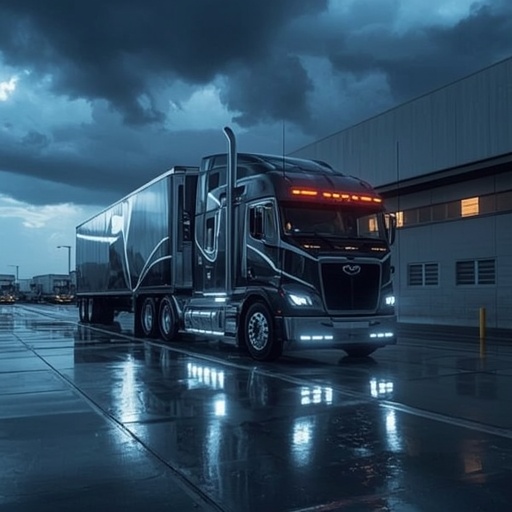
Windrose Technology, a name that once echoed with anticipation and excitement across the clean transport industry, now finds itself at the heart of a sobering reality—one that highlights both the potential and the fragility of ambitious innovation. Established with high hopes and a distinctly international identity bridging Chinese and European expertise, the company set out to redefine the electric trucking landscape. Its sleek designs and advanced prototypes promised to introduce a formidable new rival to Tesla’s dominance in sustainable heavy transport. For a time, this vision seemed entirely attainable. The electric vehicle (EV) sector, particularly in logistics and freight, was booming, bolstered by escalating environmental awareness, tightening emission regulations, and the global shift toward renewable energy infrastructures.
However, recent developments have sharply contrasted with that earlier optimism. Reports have surfaced alleging that employees have gone unpaid, a situation that has inevitably eroded internal morale and sparked public concern. Even more startling are claims of missing assets—including a absent prototype truck—casting doubts on the company’s operational stability and governance. These revelations have triggered widespread speculation regarding the financial health and managerial effectiveness of Windrose Technology. For a startup once viewed as a rising disruptor capable of reshaping the electric freight industry, such uncertainties strike at the core of its credibility.
The unfolding story of Windrose mirrors the broader narrative arc often seen in the startup ecosystem: the precarious dance between grand ambition and the unforgiving realities of execution. In sectors as capital-intensive and technically demanding as electric mobility, the path from innovative idea to sustainable enterprise is fraught with obstacles. Funding cycles, supply chain dependencies, and international partnerships can all become critical vulnerabilities if not managed with precision. Windrose’s experience therefore illustrates a larger lesson about the limits of rapid growth and the dangers of overextension, particularly in an industry where competition from established giants and nimble newcomers alike remains fierce.
Beyond its immediate struggles, Windrose Technology’s situation carries symbolic weight for the global EV movement. It reminds investors, policymakers, and innovators that technological revolutions—however noble in intent—rely not only on visionary design but also on organizational discipline, transparent leadership, and financial integrity. The fall from promise to peril in this case underscores how swiftly ambitious ventures can stumble when structural weaknesses remain unchecked.
Whether Windrose can recover from this turbulent phase remains uncertain. Its journey serves both as a cautionary account and as a testament to the volatility of industries driven by rapid technological transformation. As the EV trucking sector continues to expand, the company’s trajectory may stand as a critical lesson about the balance between aspiration and accountability: that in pursuing the future of sustainable transport, even the boldest innovators must stay grounded in stability, trust, and transparent governance.
Sourse: https://www.wsj.com/tech/a-trucking-startup-aims-to-challenge-tesla-now-paychecks-are-missingand-so-is-a-truck-26e082cd?mod=rss_Technology