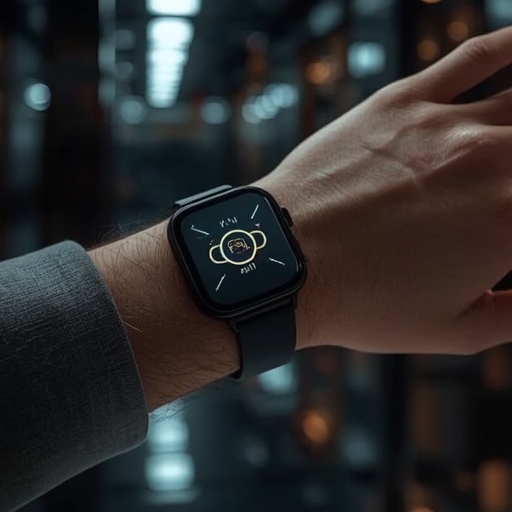
Apple is reportedly undertaking the development of an advanced artificial intelligence–enabled wearable device, with credible industry sources suggesting that it could make its market debut around the year 2027. This initiative, though still officially unconfirmed by the company, is being regarded by many analysts as a bold and visionary extension of Apple’s tradition of seamlessly integrating cutting-edge technology into everyday life. Much like the transformative impact of the Apple Watch, which redefined the parameters of personal technology upon its introduction, this potential AI wearable carries the promise of ushering in a new era where artificial intelligence is woven directly into the fabric of human experience.
The expected device, should the timeline and rumors prove accurate, would likely represent a significant evolution in the rapidly expanding field of intelligent personal devices. Apple’s entry into this sector could profoundly influence the trajectory of the global wearable industry, particularly at a time when both consumer expectations and technological capabilities are advancing at an unprecedented pace. It is conceivable that an AI-based wearable from Apple would leverage the company’s established ecosystem — seamlessly syncing with products like the iPhone, iPad, and Mac — to deliver enhanced personalization, health monitoring, contextual awareness, and adaptive learning based on user behavior.
Beyond its technological sophistication, the strategic implications of this move are considerable. Competitors within the AI and wearable technology landscape are intensifying their efforts to blur the lines between digital assistance and human intuition, a goal Apple has historically excelled at achieving through its meticulously refined design language and user experience. If realized, this next-generation wearable might not merely track physical activity or provide notifications but could serve as an intelligent companion, capable of understanding, anticipating, and responding to its user’s unique patterns, needs, and emotions.
Moreover, a 2027 launch window places this project at an exciting intersection of emerging innovations — such as edge computing, biometrics, neural interface technology, and machine learning algorithms that continuously improve through real-time data processing. These breakthroughs could enable Apple’s wearable to operate with remarkable efficiency and autonomy, potentially minimizing reliance on external devices while maximizing responsiveness and adaptability.
In essence, what the industry is witnessing may be the early stages of Apple’s next great leap forward — a continuation of its mission to make advanced technology intuitive, accessible, and deeply personal. Whether this upcoming wearable will ultimately stand beside the iPhone and Apple Watch as a defining innovation of its era remains to be seen, yet there is little doubt that it will captivate global attention and redefine public expectations for what AI in wearable form can truly accomplish.
Sourse: https://techcrunch.com/2026/01/21/not-to-be-outdone-by-openai-apple-is-reportedly-developing-an-ai-wearable/