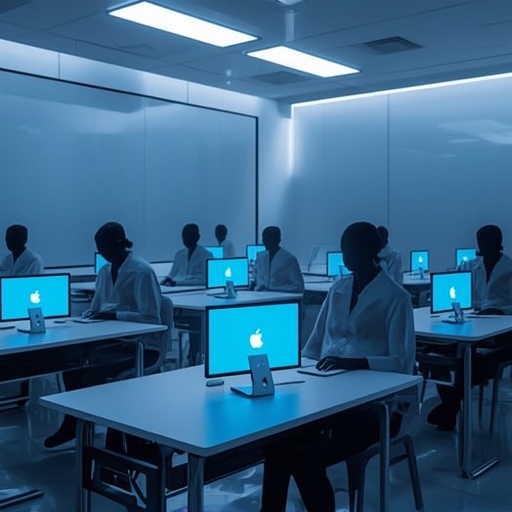
Apple has significantly refined its education discount initiative in the United States, marking a pivotal shift in how students, parents, and educators gain access to special pricing. Where previously one could qualify with minimal verification, the company now mandates that all buyers confirm their eligibility through UNiDAYS — a secure third‑party platform widely used across the academic community. This new requirement ensures that discounts are granted exclusively to those who genuinely belong to the education sector, thereby fostering greater transparency, reducing misuse, and aligning Apple’s program with global standards for fairness and authenticity.
Under this updated system, individuals seeking educational discounts must log in to UNiDAYS and provide verified proof of their academic status, such as current enrollment, employment at an educational institution, or parent or guardian credentials for eligible students. Once verification is complete, users can seamlessly access Apple’s Education Store and benefit from reduced pricing across a variety of devices and accessories. This minor procedural step enhances trust and preserves the integrity of the program while maintaining Apple’s signature customer experience.
Perhaps the most noteworthy addition to this policy overhaul is the inclusion of the Apple Watch among the eligible products. Historically, the discount program primarily covered MacBooks, iPads, and selected accessories—devices central to study, teaching, and creative work. By extending eligibility to the Apple Watch, Apple not only broadens the program’s appeal but also underscores its vision of integrating technology more fully into everyday learning, wellness, and productivity. This strategic update resonates especially with students and educators who use the Watch to manage schedules, monitor health, and stay connected on the go.
Many observers see this policy refinement as a thoughtful balance between accessibility and accountability. On one hand, it upholds Apple’s longstanding commitment to supporting education by offering meaningful financial advantages; on the other, it introduces a pragmatic verification layer that minimizes potential abuse and ensures equitable treatment among participants. The move also reflects a broader industry trend toward verified discount systems—a sign that consumers increasingly value credibility and fair qualification processes.
For those planning to shop, the process remains intuitive and user‑friendly: sign in, confirm your status, and proceed with your purchase as usual. Once authenticated, buyers can explore Apple’s full range of education‑eligible products knowing that their status has been securely validated. The initiative, while slightly more formal than before, reaffirms Apple’s reputation for marrying ethical business practice with design excellence.
In essence, this change represents more than just administrative fine‑tuning. It demonstrates Apple’s evolving responsiveness to the educational ecosystem—acknowledging both the needs of authentic learners and the importance of transparent commerce. As digital learning becomes ever more integral to modern life, Apple’s decision to refine its education program through reliable verification and expanded eligibility highlights its ongoing leadership in promoting technological empowerment through integrity‑driven initiatives.
Sourse: https://www.theverge.com/tech/926675/apple-education-discount-unidays-verification-us


