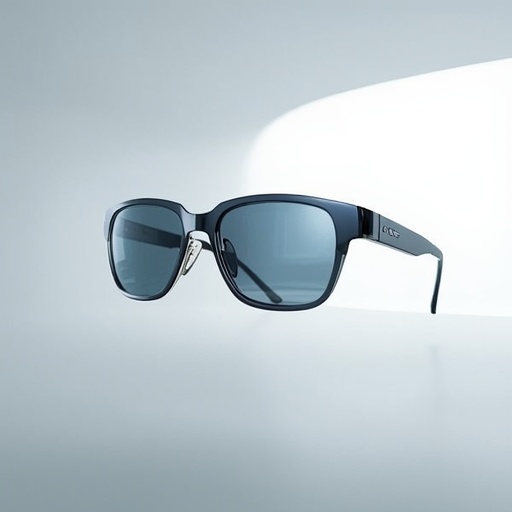
Apple is preparing to redefine the landscape of wearable technology with the forthcoming launch of its highly anticipated smart glasses, scheduled for release toward the end of 2027. This strategic move represents far more than a simple product update—it signals Apple’s deliberate entry into a rapidly expanding market currently dominated by Meta, which has been working for years to integrate virtual and augmented reality into everyday life. The announcement positions Apple within the heart of a technological rivalry that is poised to shape how consumers interact with digital environments in the physical world.
The impending smart glasses promise not only a sleek and sophisticated design, characteristic of Apple’s broader aesthetic philosophy, but also a seamless fusion between hardware, software, and intelligent data integration. By focusing on minimalism, ergonomic comfort, and augmented functionality, Apple aims to convert wearable technology from a niche innovation into a mainstream necessity. The device is expected to bridge the gap between smartphone convenience and immersive augmented experiences, potentially transforming how users navigate digital content in real time—whether that means displaying navigational data directly in one’s field of vision or enabling subtle, voice-activated controls for daily tasks.
However, beyond the initial excitement surrounding design and innovation, the announcement inevitably reignites one of the most pressing discussions in modern technology—the escalating tension between convenience and privacy. As wearables become more perceptive and more tightly interwoven with personal data, society must grapple with the implications of having a constantly connected device recording, processing, and possibly sharing visual information. Every advancement in consumer technology raises new ethical considerations, and the introduction of smart eyewear is no exception. The delicate balance between functionality and surveillance is becoming increasingly difficult to maintain.
Industry observers recognize that Apple’s strategy will likely rely on the company’s well-earned reputation for user-centric privacy protections and its integrated ecosystem of devices and services. Yet even with Apple’s assurances of secure data protocols, the concept of cameras, sensors, and real-time data processing in something as personal as glasses has the potential to unsettle consumers wary of being watched or recorded. Regulatory bodies and privacy advocates are likely to scrutinize how this technology collects and processes information, prompting ongoing conversations around digital ethics, informed consent, and transparent system design.
As the rivalry between Apple and Meta intensifies, the competition is about more than hardware—it is a battle for public trust and for leadership in defining the terms of the next decade of digital interaction. Apple’s entry into the smart glasses arena could catalyze innovation across industries, from health monitoring and retail to education and entertainment, transforming how people communicate with both one another and their environments. Whether this future is embraced as a leap forward in connectivity or resisted as another intrusion into personal space will depend not only on what Apple builds but on how society responds to living in a world where everyday objects may see and know more than their users. The story of Apple’s smart glasses, therefore, is not merely about technological progress—it is about our evolving relationship with the boundaries between innovation, identity, and privacy in an increasingly transparent digital age.
Sourse: https://gizmodo.com/apple-is-officially-coming-for-metas-privacy-invading-lunch-with-its-own-smart-glasses-in-late-2027-2000765491