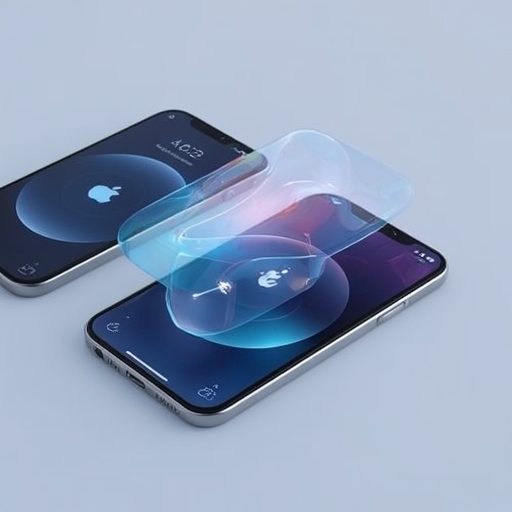
Recent reports indicate that Apple’s ambitious reinvention of Siri—the company’s hallmark virtual assistant—is facing developmental hurdles that stretch beyond the realm of software optimization. Originally envisioned as the technological centerpiece for an interconnected generation of next‑level Apple devices, Siri’s overhaul was expected to redefine how consumers interact with both personal and household technology. However, these new findings suggest that delays in perfecting its advanced artificial intelligence capabilities are now creating a ripple effect, slowing or even freezing progress on corresponding hardware projects that were designed to showcase these improvements.
This situation underscores how integral Siri’s evolution has become to Apple’s long‑term strategy. What began as a voice‑controlled convenience has steadily transformed into an essential pillar of Apple’s ecosystem—a unifying intelligence meant to harmonize iPhones, Macs, wearables, and yet‑to‑be‑released devices through a seamless blend of contextual awareness and predictive functionality. The company’s internal roadmap reportedly depended on this enhanced version of Siri to introduce smarter automation, more nuanced language comprehension, and deeper device‑to‑device integration. When such core components stall, the entire innovation pipeline inevitably slows, highlighting the delicate interdependence between software breakthroughs and hardware design cycles.
In light of these delays, observers are beginning to speculate about Apple’s next steps. The organization is known for its meticulous attention to user experience and for refusing to release technology until it reaches near‑flawless performance. Yet, as the pace of AI competition accelerates globally—with rivals launching increasingly capable assistants powered by generative models—Apple faces mounting pressure to deliver both evolutionary and revolutionary features without compromising its standard for privacy and reliability. This precarious balance between innovation, perfectionism, and time‑to‑market may ultimately redefine how swiftly the company can bring new products—perhaps augmented reality headsets, intelligent home devices, or next‑generation wearables—to consumers.
Although such setbacks can feel like impediments to progress, they also reflect the complexities of modern innovation, where each technological leap requires enormous coordination across hardware engineering, software development, and machine learning research. As Apple continues to refine Siri’s architecture and enrich its understanding of human interaction, the delays seen today might eventually yield more cohesive, futuristic, and human‑centric technology tomorrow. The question that remains is whether consumers are willing to wait for Apple’s next visionary leap—or if these holdups will reshape expectations about how quickly even the most advanced tech titan can move in the era of intelligent machines.
Sourse: https://gizmodo.com/apples-delay-plagued-siri-project-has-also-interfered-with-physical-product-releases-report-says-2000733769