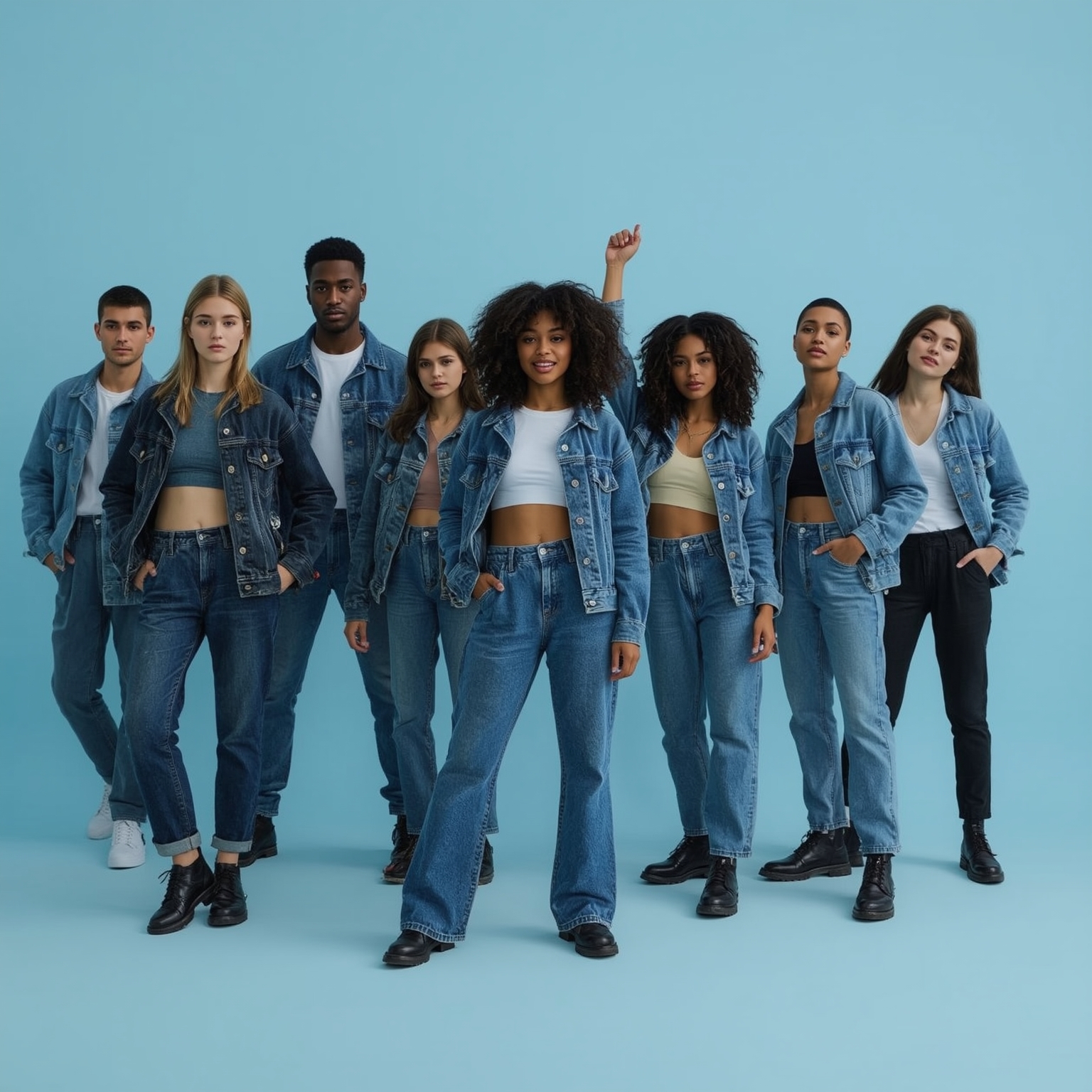
American Eagle’s recent marketing initiatives have provided the retailer with a substantial and strategically significant advantage, signaling that its renewed creative direction is yielding concrete results. Over the past year, the company has introduced a series of innovative campaigns designed not only to capture attention but also to solidify its presence within digital culture. Many of these efforts became the focal point of viral conversations across social media platforms, effectively transforming the brand’s image from a traditional apparel retailer into a dynamic participant in online culture. The financial markets have clearly taken notice of this momentum: American Eagle’s stock has appreciated notably over the course of the year, while the company’s total revenue reached approximately $1.4 billion for the third fiscal quarter ending November 1—representing a nearly six percent increase compared to the same period last year. Building on that momentum, the company raised its forward-looking forecast for the fourth quarter, a move that inspired further investor confidence. Following this announcement, shares climbed by no less than ten percent during after-hours trading on Tuesday, underscoring how market participants interpreted the brand’s new strategy as a meaningful driver of sustained growth.
A key component of this success story lies within American Eagle’s lifestyle and intimates sub-brand, Aerie, whose continuous emphasis on body positivity, comfort, and inclusivity has deeply resonated with modern consumers. Aerie’s comparable sales rose by an impressive eleven percent, serving as strong evidence that its unique brand positioning continues to connect with its audience. Interestingly, this momentum has been achieved despite widespread competition from retailers investing heavily in artificial intelligence to create customer-facing digital products. In contrast, Aerie deliberately chose a different path—pledging publicly not to employ AI-generated content in its advertising. This promise, conveyed through a candid Instagram post, quickly gained extensive traction, accumulating tens of thousands of likes and engagement metrics. According to social media analytics firm Metricool, which tracks digital performance, the post became Aerie’s most popular upload of the preceding year, demonstrating that authenticity remains a persuasive differentiator in a marketplace increasingly dominated by algorithmic imagery.
Another major contributor to American Eagle’s success has been its strategy of collaborating with cultural figures who hold significant social influence. During the summer, the company partnered with actor Sydney Sweeney in a high-profile campaign centered on denim, titled “Great Jeans.” The initiative sparked substantial online discussion, including criticism from some viewers who felt that its aesthetic reinforced outdated or restrictive beauty standards. Rather than distancing itself from the controversy, American Eagle stood firmly behind its creative vision, emphasizing Sweeney’s commercial impact and the strong resonance her image has with the brand’s demographic. Chief Marketing Officer Craig Brommers highlighted in September that, within just six weeks of launch, the campaign had achieved unprecedented levels of new customer acquisition—a testament to Sweeney’s star power and the effectiveness of the underlying marketing strategy.
Only a month later, American Eagle unveiled a collaboration with NFL star Travis Kelce and his lifestyle brand, Tru Kolors. Remarkably, the release coincided almost exactly with Kelce’s announcement of his engagement to pop icon Taylor Swift, an event that amplified visibility far beyond the retail sphere. This combination of pop culture relevance and compelling product design helped propel the campaign to extraordinary reach. Together, the Sweeney and Kelce collaborations collectively generated approximately forty-four billion impressions worldwide, marking the most extensive marketing exposure in American Eagle’s history and attracting a record number of new shoppers to the brand. Jen Foyle, the company’s president and executive creative director, characterized these initiatives as the largest and most influential advertising efforts ever undertaken by American Eagle. In a recent investor call, she credited their achievements to the company’s careful selection of high-profile partners whose public personas actively shape and reflect contemporary culture.
Yet, the momentum does not end there. Continuing its pattern of aligning with figures who bridge generational and cultural appeal, American Eagle recently announced a partnership with Martha Stewart for its latest campaign. While Stewart’s longstanding career might traditionally connect her with older audiences, the brand’s leadership sees her as a figure who—in today’s internet climate—has been reembraced by younger consumers, particularly members of Generation Z. Foyle underscored this point by explaining that Stewart’s distinctive blend of humor, confidence, and reinvention strikes a surprising chord with modern youth, perfectly embodying American Eagle’s current marketing philosophy. By combining viral creativity, cultural collaboration, and a commitment to authenticity over technological gimmicks, American Eagle and Aerie have transformed themselves into case studies in how heritage retailers can rejuvenate relevance and deliver impressive financial performance in a rapidly shifting retail environment.
Sourse: https://www.businessinsider.com/american-eagle-sydney-sweeney-collab-anti-ai-pledge-fuels-growth-2025-12