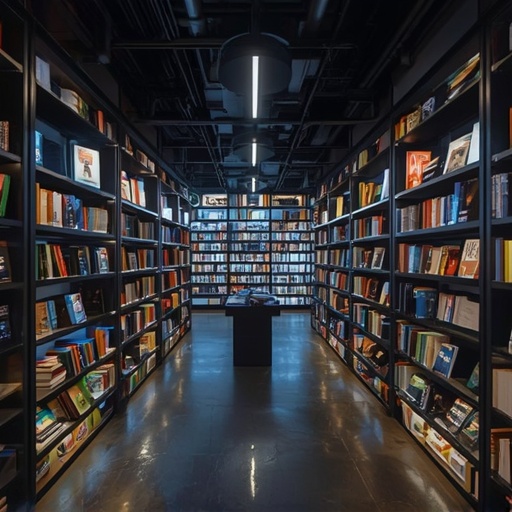
In a new and thought-provoking development in the literary world, Barnes & Noble, one of the most recognized names in bookselling, has declared its openness to carrying books written with the assistance of artificial intelligence—on one important condition: that such works are transparently labeled as AI-generated. This stance, articulated by the company’s CEO, signals not merely a passing curiosity but a meaningful engagement with the evolving relationship between human creativity and intelligent technology.
By requiring clear labeling, Barnes & Noble positions itself at the intersection of innovation and ethical responsibility. The policy acknowledges an undeniable truth: artificial intelligence is no longer a distant concept reserved for research labs or tech companies; it is now intertwined with the act of storytelling itself. From predictive algorithms suggesting narrative twists to large language models capable of composing entire novels, AI’s presence in creative production invites both excitement and apprehension. The company’s labeling approach thus represents an effort to balance these opposing emotional currents—allowing innovation to flourish while maintaining readers’ trust.
For many authors and publishers, this move raises essential questions about authorship, authenticity, and intellectual integrity. If a novel is generated by an algorithm but edited by a human, who is the true creator? Does labeling it as AI-assisted protect reader autonomy, or does it risk diminishing interest in works that blur the boundaries between organic and synthetic imagination? Barnes & Noble’s decision does not attempt to answer these complex questions outright; instead, it offers a framework wherein transparency becomes the cornerstone of future creative coexistence.
This policy also reflects a broader cultural awareness within the publishing industry. Readers today seek honesty in how stories reach them—whether they stem from personal experience, collaboration, or digital intelligence. A bold yet responsible acknowledgment of AI’s role could inspire greater acceptance of machine-assisted creativity, much in the same way photography once transformed the art of portraiture or streaming changed the landscape of music. But transparency remains vital. Without clear identification, the enchantment of reading could give way to confusion, skepticism, or even mistrust, ultimately harming both authors and audiences.
Barnes & Noble’s openness, then, acts as an invitation to dialogue rather than a definitive verdict. It challenges publishers, authors, and technologists alike to think deeply about how society defines creativity in an age when machines can mimic emotion, generate plotlines, and refine prose with astonishing fluency. Furthermore, it situates bookstores not just as retail spaces but as curators of ethical literacy—places where informed readers can navigate the shifting boundary between human expression and computational creation.
Perhaps the most intriguing aspect of this decision lies in its implications for the future of storytelling itself. As artificial intelligence continues to evolve, it may foster new literary genres, hybrid collaboration processes, and narrative forms that transcend traditional definitions of authorship. Yet the success of this transformation will depend heavily on transparency, honesty, and the willingness of both readers and creators to coexist with technologies that can write as well as they compute. Barnes & Noble’s labeled shelf space for AI-written books marks a critical early step in that journey—a symbolic acknowledgment that creativity is expanding, not eroding, in the digital age.
Sourse: https://www.businessinsider.com/ai-written-books-might-coming-to-your-barnes-and-noble-2026-5