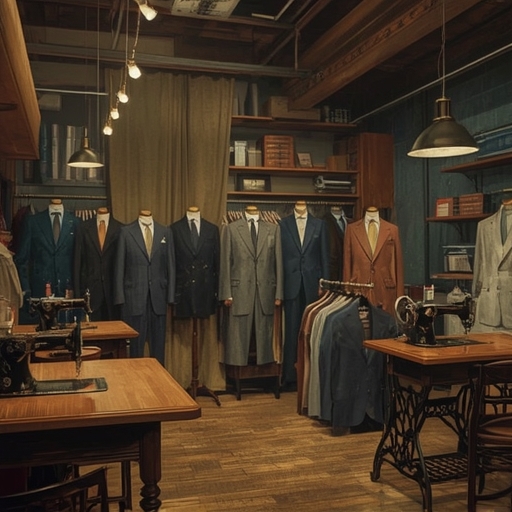
Beneath the polished exterior of every tailored Wall Street suit lies a story of artistry, precision, and unrelenting dedication. In the heart of New York City, a network of master tailors works quietly yet powerfully to craft the visual language of success that defines the world of finance. These artisans blend centuries-old techniques with modern sophistication, creating garments that do far more than fit impeccably—they project confidence, authority, and identity in one seamless expression of professionalism.
Step inside the ateliers of Manhattan, and you will find spaces humming with a rhythmic fusion of concentration and creativity. Rolls of the finest wools, silks, and linens line the walls beside vintage sewing machines that still carry the quiet echoes of generations past. Here, precision is not just a value—it is a necessity. Each stitch, dart, and pressed seam is calculated to enhance movement, posture, and the wearer’s unique proportions. Through meticulous fittings and expert adjustments, tailors turn cloth into a personal armor suited for high-stakes boardrooms and fast-paced trading floors.
Beyond the fabric, however, lies the deeper tradition that threads these garments into the cultural fabric of Wall Street itself. For decades, the classic tailored suit has served as the unofficial uniform of power and professionalism. The consistency of crisp collars and exact lapels speaks to an enduring belief that presentation influences perception. When a banker steps into a bespoke jacket, they are not merely wearing clothing; they are embodying an image—of decisiveness, credibility, and composure—that mirrors the discipline demanded by financial success.
Yet this relationship between tailor and client extends beyond commerce. Many of these New York craftsmen have nurtured lifelong partnerships with the city’s business elite, learning not only their measurements but also their unspoken ambitions. The process becomes as personal as it is professional, transforming each suit into a statement piece that carries both aesthetic and emotional precision. This culture of bespoke tailoring has persisted even in an era dominated by automation, reflecting the timeless appeal of human skill and individual artistry.
Wall Street’s sartorial excellence, therefore, is not accidental—it is the outcome of hundreds of hours spent drafting, cutting, and refining. It is the quiet mastery of those who work behind the scenes, shaping how power looks and feels. Their work ensures that every well-cut jacket, every seamless shoulder line, and every measured hem communicates the same message: that success, like style, is always in the details.
Sourse: https://www.businessinsider.com/wall-street-tailor-shops-behind-the-scenes-nyc-2026-2