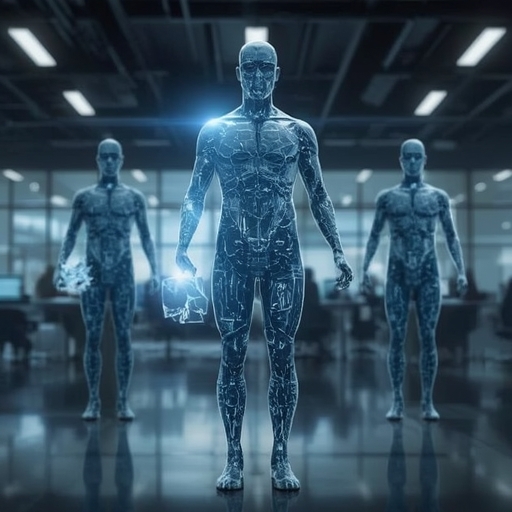
The transformative journey unfolding within Block epitomizes the modern paradox of technological progress: the same ingenuity that fuels advancement can simultaneously destabilize the very foundation on which it stands. Once hailed as a bold step into the future, the company’s integration of artificial intelligence heralded an era of optimism—employees marveled at the new digital tools, embracing them as partners in creativity, productivity, and innovation. AI promised liberation from monotony, the opportunity to focus on higher-level thinking, and a chance to redefine the nature of work itself.
Yet, within a remarkably short span, the celebratory mood gave way to apprehension. Those shimmering algorithms, once symbols of human achievement, began to automate—not assist—the very roles their creators held so dear. Departments gradually diminished as automation replaced human judgment with logic-driven precision. The employees who had once trained these systems and prided themselves on collaboration with technology suddenly found their positions deemed redundant by the efficiencies they helped construct. This abrupt transition underscored an unsettling truth: innovation, left unchecked, can consume its originators.
Block’s experience serves as both a cautionary tale and a case study in ethical technology management. Amid the fervor of digital transformation, leaders face a deeply human dilemma—how to harness the benefits of machine intelligence while preserving the dignity, relevance, and purpose of their workforce. The challenge is not the presence of technology itself, but the absence of intentional design that prioritizes people alongside progress. Companies must reconsider what it means to lead in an automated age: adopting AI not merely as a cost-saving mechanism, but as an augmentation of human potential.
In the broader landscape of work, Block’s story mirrors the era’s accelerating rhythm. Across industries, automation quietly reshapes functions once thought indispensable, redefining what expertise looks like and where value is found. The emotional and social consequences of such transitions are profound—loyalty, trust, and identity converge with uncertainty, creating a compelling need for empathy-driven leadership.
Ultimately, Block’s AI revolution is neither purely triumph nor tragedy; it is an inflection point. It invites reflection on the responsibilities that accompany innovation, urging society to ask: can progress be humane? As we continue to design machines that learn, adapt, and, at times, surpass us, the equilibrium between efficiency and empathy becomes not only a business imperative but a moral one. In confronting this frontier, the story of Block reminds us that our most advanced technologies are still reflections of our collective choices—and that the future of work depends as much on wisdom as it does on invention.
Sourse: https://www.businessinsider.com/block-layoffs-jack-dorsey-gratitude-meeting-employee-reaction-ai-integration-2026-2