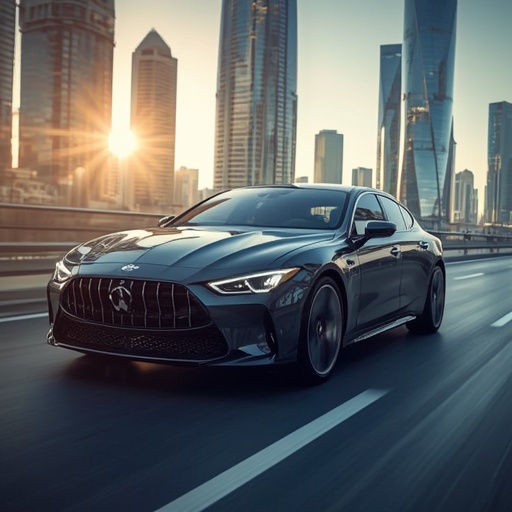
BMW’s most recent financial disclosure paints a vivid picture of both the opportunities and the intense obstacles currently reshaping the global luxury automotive landscape. In its first quarterly results of the year, the German automaker reported a decline in earnings before interest and taxes (EBIT) of 36%, accompanied by an 8.1% reduction in total revenue. This downturn underscores the growing pressures faced by industry leaders as they navigate a rapidly evolving market marked by fierce competition, shifting consumer expectations, and the relentless advance of electrification and digital innovation.\n\nThe depth of the 36% fall in EBIT highlights a contraction not merely in profitability, but also in operational margin strength—a critical measure of the company’s efficiency in converting revenues into earnings. The 8.1% slide in revenue, while less dramatic, signals that consumer demand, supply chain dynamics, and pricing pressures are exerting tangible influence on BMW’s financial performance. In a sector increasingly defined by accelerated technological transformation and ambitious sustainability targets, legacy manufacturers such as BMW must constantly adjust production strategies, cost structures, and R&D priorities to remain in contention.\n\nCompetition has never been more formidable. Established rivals and new market entrants alike are expanding aggressively, particularly within the electric vehicle (EV) space. Companies that were once peripheral players have captured significant attention by introducing models that combine performance with cutting-edge connectivity, challenging BMW’s traditional dominance in the premium segment. As these competitors double down on electric mobility, autonomous capabilities, and software integration, BMW is pressed to demonstrate that its own innovation ecosystem can match or surpass the pace of its challengers.\n\nStrategically, the situation compels BMW to reaffirm its commitment to technological leadership while balancing the need for cost efficiency and operational agility. Innovation, therefore, becomes not only a path forward but a central pillar of survival in this era of change. The company’s extensive heritage of precision engineering, design excellence, and performance-driven identity must now coexist with an equally strong narrative of sustainability, digitization, and customer-centric innovation.\n\nDespite the financial headwinds, BMW retains substantial strengths. Its global brand equity, extensive production network, and ongoing investment in electric and hybrid technologies position it to respond resiliently to environmental shifts in the marketplace. However, the current figures serve as a cautionary reminder that prestige and historical success cannot insulate even the most iconic automakers from broader structural disruptions. The capacity to translate innovation into sustained profitability, while maintaining quality and sophistication, will determine whether BMW can reclaim growth momentum and reinforce its competitive edge in the luxury automotive arena.\n\nIn essence, BMW’s Q1 results encapsulate both a warning and an opportunity: a signal that transformation is no longer optional but imperative. The coming quarters will reveal whether its engineering expertise and strategic adaptability can steer the company back onto a trajectory of long-term prosperity amid one of the most competitive eras in automotive history.
Sourse: https://www.wsj.com/business/earnings/bmw-posts-lower-earnings-as-competition-hurts-sales-dc815209?mod=pls_whats_news_us_business_f


