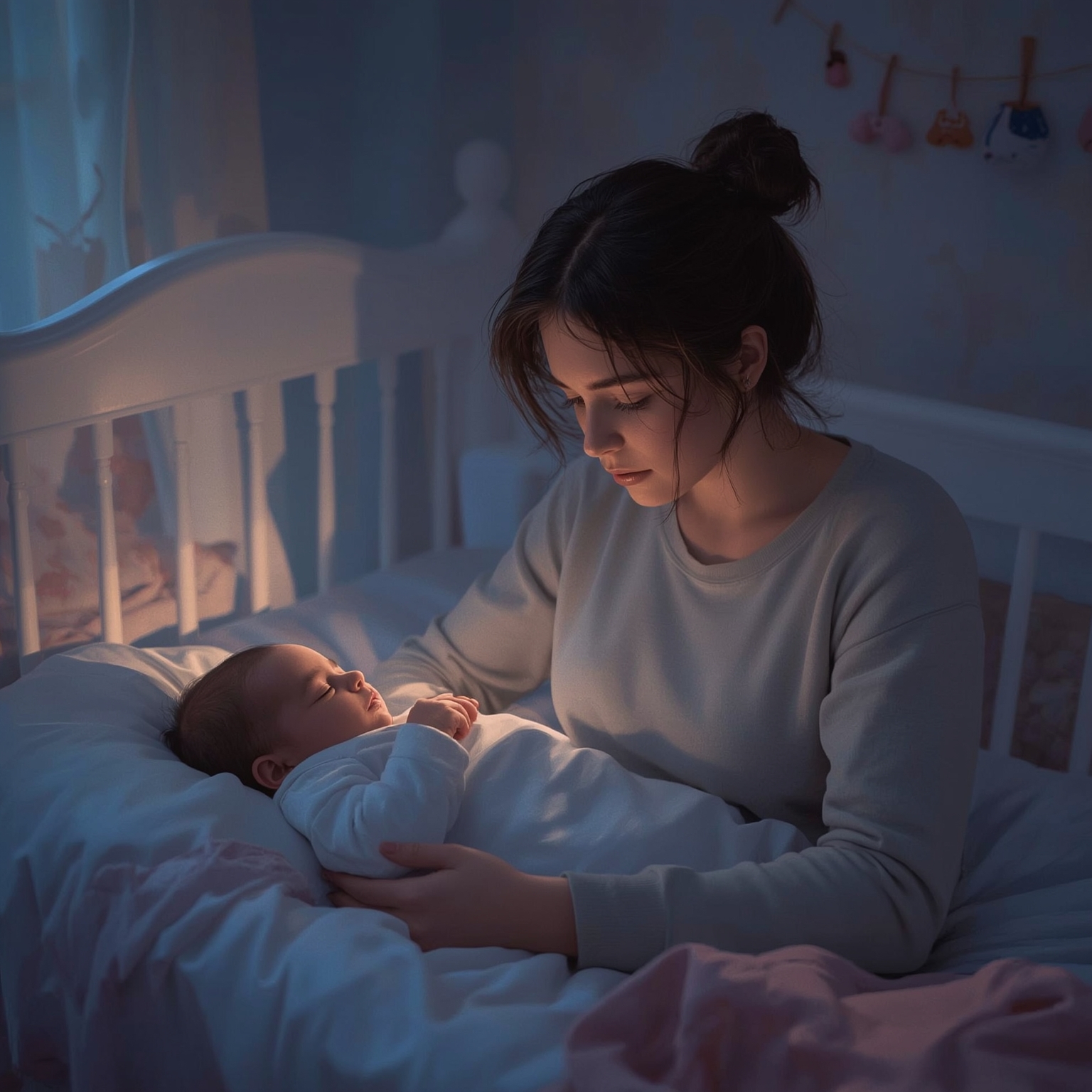
Jennifer Lawrence recently disclosed that she endured profound struggles with postpartum anxiety following the birth of her second child. In a candid conversation with *The New Yorker*, the Academy Award–winning actor described her experience with a raw vulnerability that illuminated the intensity and irrational fears so often associated with the condition. Lawrence revealed that moments that should have brought peace — such as watching her baby sleep — instead filled her with dread, as she constantly imagined that something terrible might have happened to him. She recounted that she frequently feared her infant was lifeless whenever he drifted off to sleep. Beyond that, she often interpreted his cries as a sign of rejection, believing he was unhappy with his life, his family, or even with her as his mother. These fears grew so pervasive that she convinced herself every parenting decision she made might somehow damage her children irreparably.
The *Hunger Games* star, who shares two young sons with her husband, art dealer Cooke Maroney, became a mother for the first time in 2022 and welcomed her second child earlier this year. Reflecting on her journey through motherhood, Lawrence described an intimate and unexpectedly emotional moment when she found herself weeping while turning to artificial intelligence for help. In tears, she asked ChatGPT for guidance about breastfeeding, and the AI system replied with soft, reassuring encouragement, telling her she was performing an extraordinary act of love for her baby and that she was, indeed, a devoted mother. Though the message was comforting, Lawrence admitted it left her unsettled — the fact that those consoling words had come from a machine made her question the sincerity of similar reassurances offered by humans. It was a moment of profound irony for her: solace found in technology, but also a deepened sense of emotional doubt.
To manage the mental and emotional turbulence of her postpartum period, Lawrence explained that she began taking Zurzuvae, a recently introduced oral medication approved by the U.S. Food and Drug Administration in 2023 for the treatment of postpartum depression. She described the medication as instrumental in alleviating the overwhelming anxiety and depressive symptoms that had overshadowed her early months of new motherhood.
During a separate discussion at the Cannes Film Festival in May, where she attended the premiere of her new film *Die, My Love*, Lawrence spoke openly about how markedly different her two postpartum experiences had been. She reflected that while her first encounter with motherhood was emotionally difficult, her struggles after her second child’s birth were far more intense and debilitating. She explained that during her initial postpartum phase, she primarily felt as though she were “at war” with the outside world — an internal battle marked by defiance and frustration. Yet with her second child, she experienced something more consuming: an inner disconnection that made her feel entirely isolated, as though no one could truly comprehend what she was living through. She described that sense of isolation as “extreme,” revealing that anxiety and depression can create a state of emotional exile regardless of fame, success, or support. “When the truth is extreme anxiety or extreme depression,” Lawrence expressed, “you feel like an alien — detached from everyone around you.”
At the same event, Lawrence also reflected on the profound transformation motherhood had brought to her creative process. She explained that having children had redefined her emotional range, adding layers of depth and sensitivity to her artistic work. The experience of becoming a mother, she noted, had revealed new dimensions of feeling she did not know she possessed. Because her profession depends heavily on emotional authenticity, this newfound sensitivity felt both empowering and overwhelming — as if her emotional core had become raw and tender, akin to touching a fresh blister: painful, fragile, yet undeniably alive.
Business Insider reached out to Lawrence’s representatives for additional comment outside standard office hours but did not receive an immediate response.
Postpartum anxiety, the condition Lawrence described, occurs when everyday worries escalate into relentless and intrusive fears that interfere with daily functioning. According to psychotherapist Mayra Mendez of the Providence Saint John’s Child and Family Development Center in Santa Monica, such anxiety typically emerges within the first six months after childbirth. Mendez explained that early intervention through small lifestyle adjustments — such as ensuring sufficient sleep, integrating mindfulness techniques, and maintaining supportive relationships — can significantly help mothers manage symptoms and regain a sense of emotional balance.
While postpartum depression is often associated with feelings of sadness, irritability, and exhaustion, postpartum anxiety manifests differently. It is defined by persistent, uncontrollable worry, often accompanied by a state of hypervigilance — an unrelenting sense that something terrible is imminent. According to the National University Health System Singapore, this heightened alertness and chronic fear can make even ordinary parenting tasks feel perilous and exhausting. Lawrence’s experience, deeply personal yet widely relatable, underscores the importance of acknowledging the complexities of maternal mental health and dismantling the stigma that so often prevents new parents from seeking help or speaking openly about what they are enduring.
Sourse: https://www.businessinsider.com/jennifer-lawrence-postpartum-anxiety-childbirth-motherhood-kids-2025-10


