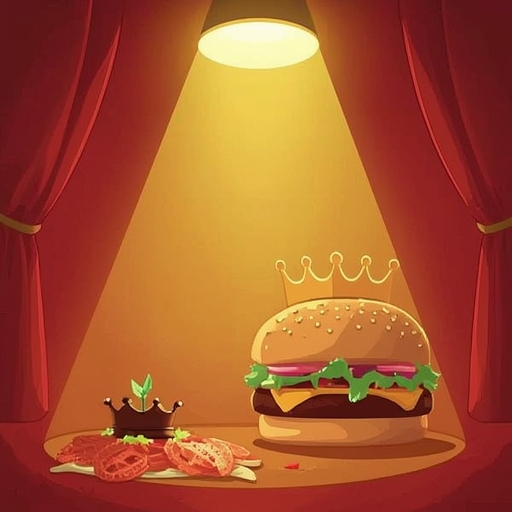
Burger King’s recent self-referential advertising campaign, unveiled during the Oscars, represents a daring fusion of calculated humor and strategic humility. By openly poking fun at its previous marketing missteps and symbolically bidding farewell to the outdated ‘King’ mascot, the brand displayed both self-awareness and confidence. This gesture served not merely as comic relief but also as a deliberate repositioning effort — a signal to audiences that the company is evolving and is fully committed to redefining its identity. The humor, while immediately engaging, functioned as a gateway to a deeper promise: the introduction of a rejuvenated Whopper, now presented as a manifestation of quality, freshness, and renewed craftsmanship.
What makes this campaign particularly compelling is its ability to balance irony with sincerity. In an era when consumers are increasingly skeptical of corporate messaging, Burger King’s willingness to laugh at itself conveys authenticity — an attribute capable of rekindling trust that traditional marketing often fails to inspire. The Oscars stage offered the perfect arena for such a performance: glamorous, high-profile, and laden with cultural significance. Within this context, humor became more than an entertainment strategy; it evolved into a brand statement that acknowledged imperfection while embracing reinvention.
Yet, beyond the laughter, lies the real test — whether the brand can convert this wave of good will into lasting loyalty and measurable sales growth. To sustain credibility, Burger King must ensure that its marketing rhetoric aligns precisely with the tangible experience of the product. The ‘new Whopper’ is not simply a symbol of rebranding; it is the linchpin of the company’s renewed reputation. A brilliant commercial may generate buzz, but long-term trust is earned only through consistent delivery on the promise of flavor, quality, and customer satisfaction.
Therefore, the current moment marks both a celebration and a challenge for Burger King. It has successfully used humor to reclaim relevance and cultural presence, but its next chapter depends on whether the revamped menu can live up to the narrative it has woven so cleverly. If the company manages to uphold the authenticity it has now projected — marrying wit with substance and vision with execution — its self-deprecating joke may ultimately lay the foundation for a genuinely triumphant comeback in the fiercely competitive fast-food market.
Sourse: https://www.businessinsider.com/burger-king-oscars-ads-admit-mistakes-promise-changes-turnaround-2026-3