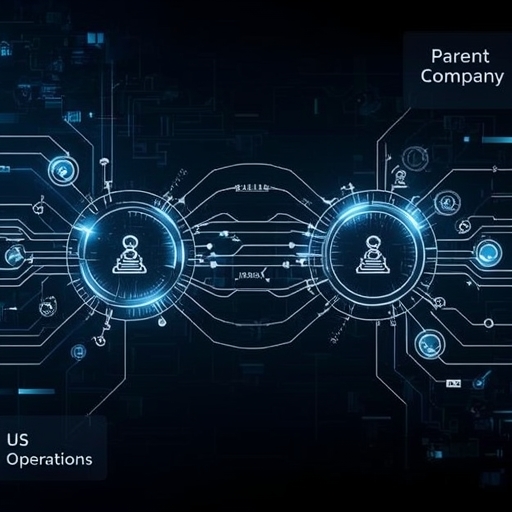
ByteDance, the internationally recognized technology company and parent organization of TikTok, has announced the establishment of a dedicated United States entity specifically designed to supervise and administer TikTok’s operations within the U.S. market. This sophisticated corporate maneuver represents not simply an administrative reorganization but a carefully calculated response to persistent debates over data governance, privacy obligations, and the perceived influence of foreign ownership on American digital infrastructure.
Through this restructuring, ByteDance aims to reinforce public confidence by creating a clearer demarcation between its global headquarters and its American branch, thereby signaling its commitment to transparency and compliance with national regulatory standards. This move demonstrates a desire to reconcile innovation with accountability in an era when questions surrounding technology ethics, cross‑border information transfers, and governmental oversight dominate public discourse.
By situating management and data operations within a new U.S. framework, ByteDance seeks to mitigate anxieties associated with the handling of user data, particularly the fear that information could be accessed or influenced by non‑U.S. authorities. In practice, this could mean enhanced domestic oversight, stricter adherence to American security protocols, and more robust communication with U.S. regulators and lawmakers. For many observers, this step may serve as a blueprint for other global digital enterprises navigating similar geopolitical challenges.
Beyond the immediate implications for TikTok itself, this decision underscores a broader transformation occurring across the international technology sector, one in which corporate governance, data localization, and digital sovereignty are becoming defining strategic imperatives. ByteDance’s initiative symbolizes how companies operating on a global scale must adapt their structures to align with regional expectations without sacrificing innovation or global competitiveness.
Ultimately, this development invites a deeper reflection on the balance between technological interconnectedness and national autonomy. It presents a pivotal case study in how multinational corporations strive to foster trust among users and policymakers while maintaining operational efficiency and integrity in an increasingly fragmented digital landscape. As ByteDance moves forward with this restructuring, the world will watch closely to see whether this enhanced separation truly alleviates long‑standing concerns and sets a new benchmark for corporate accountability in the realm of data privacy and international technology governance.
Sourse: https://techcrunch.com/2026/01/27/what-you-should-know-about-the-owners-of-us-tiktok/