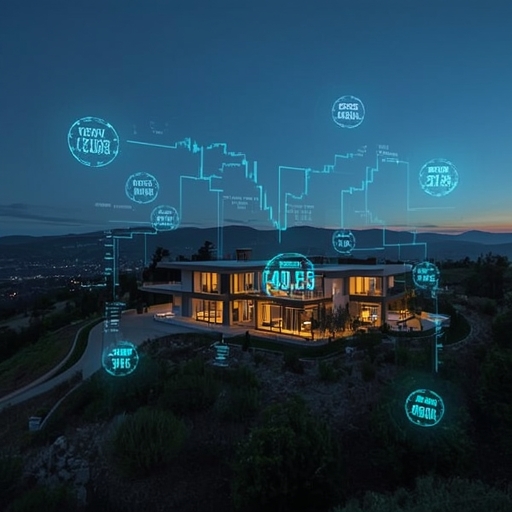
In an extraordinary gesture that perfectly captures the evolving intersection between wealth, technology, and innovation, a high-profile California banker has chosen to redefine what it means to invest in the future. Rather than relying on traditional financial instruments, he has undertaken a daring exchange—offering his $4.8 million luxury estate in Marin County in return for equity in Anthropic, a leading name in artificial intelligence research and development.
The move is symbolic as much as it is strategic. By substituting tangible real estate—an enduring emblem of stability and legacy—with high-risk yet potentially transformative AI shares, this banker demonstrates a profound confidence in the rapidly expanding artificial intelligence economy. Marin County, famous for its panoramic views, architectural opulence, and proximity to Silicon Valley, provides an ideal backdrop for such a forward-thinking act. Here, physical luxury is being leveraged as a gateway into intellectual, data-driven wealth—a reflection of how technology itself is recoding our sense of value.
The decision has already attracted attention within the technology and finance communities. According to reports, several industry figures and Anthropic employees have expressed interest, indicating not only the allure of the property but also the resonance of its message: that the currency of innovation is shifting. When individuals at the forefront of AI choose to equate their personal or professional stakes with real-world assets, it signals a fundamental change in investment psychology—one motivated less by immediate material return and more by long-term belief in technological transformation.
This remarkable transaction highlights a broader phenomenon within 21st-century finance—the blending of tangible and intangible economies. Real estate has traditionally symbolized permanence, while AI represents adaptability and velocity. In uniting these opposites, the banker’s offer encapsulates a central paradox of modern wealth: the desire to ground futuristic ambition in concrete foundations.
For observers, the question lingers: would we ourselves exchange the solidity of property for the promise of artificial intelligence? As sectors from healthcare to law to creative industries undergo automation, AI’s economic relevance grows increasingly undeniable. This story therefore functions not merely as an eccentric headline but as a case study in how belief in innovation now propels financial decisions once governed purely by material calculus.
Whether viewed as visionary optimism or a daring gamble, one thing is clear—this act represents a profound vote of confidence in the future of intelligent systems. It punctuates a cultural moment when technology no longer merely supports the economy but defines its most valuable form of capital. The banker’s estate remains where it has always stood, yet symbolically, his investment has already crossed the threshold—from the stability of walls and foundations into the boundless, algorithmic horizon of artificial intelligence.
Sourse: https://www.businessinsider.com/trade-his-4-8-million-estate-for-anthropic-shares-2026-4


