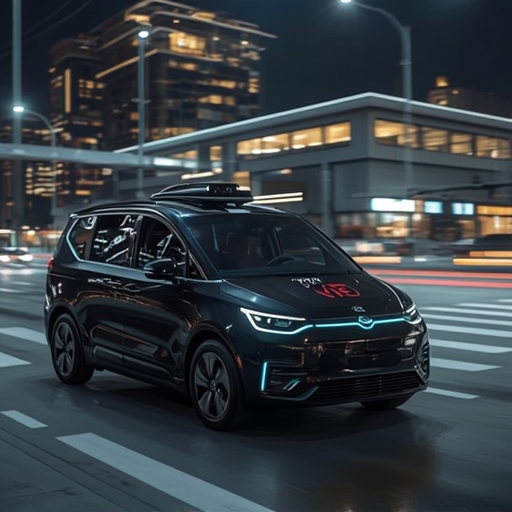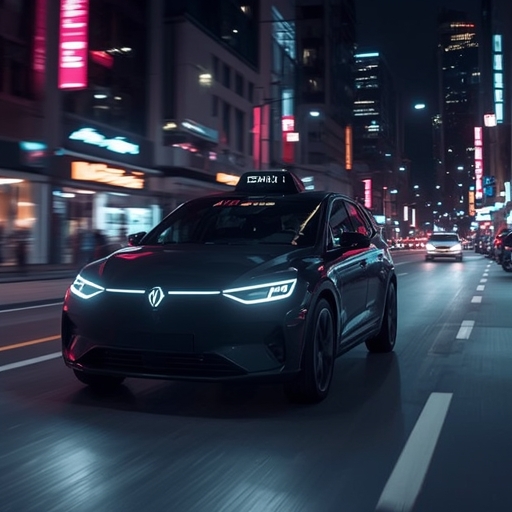
The 2024 edition of the Consumer Electronics Show emerged as a defining moment for the future of mobility, placing the spotlight firmly on autonomous transportation technologies. Among the vast exhibition halls filled with innovations in artificial intelligence, robotics, and smart urban infrastructure, few areas generated as much excitement and tangible progress as the world of robotaxis. These fully autonomous vehicles—designed to navigate complex city environments without human intervention—are no longer theoretical prototypes confined to concept discussions; they are sophisticated, operational systems that are beginning to redefine the boundaries of modern transportation.
Walking through the buzzing showcase floors of Las Vegas, one could not help but sense a profound shift from speculative ambition to demonstrable capability. Robotaxis were not just futuristic displays but operational entities executing seamless maneuvers through simulated and real environments. After observing several demonstrations and conversing with engineers and company representatives, it became strikingly apparent that one particular company has achieved a significant technological advantage. Their robotaxi models exhibited refined precision in navigation, unparalleled consistency in sensor calibration, and an aesthetic sophistication that seamlessly merged form with utility—qualities that collectively positioned the company as the undisputed leader of this new automotive frontier.
This leadership derives not merely from headline-grabbing claims, but from the tangible integration of cutting-edge technologies across multiple disciplines. Machine learning algorithms now predict and adapt to dynamic urban variables at a level approaching human intuition. Lidar and radar arrays work in concert with camera networks to produce a nearly infallible perception system capable of detecting pedestrians, cyclists, and minute shifts in road texture. Beyond the technical sophistication lies an ambitious vision for urban coexistence: these vehicles are designed to operate harmoniously within existing traffic ecosystems while gradually reshaping the infrastructure to accommodate fully driverless mobility.
Industry experts attending CES emphasized that this moment represents more than just a technological milestone—it signals a societal transformation. The convergence of artificial intelligence, 5G connectivity, and advanced power efficiency models will soon render personal car ownership optional for many city dwellers. By drastically reducing human error, optimizing route efficiency, and decreasing emissions through electrification, robotaxis may radically alter the way humanity moves through its urban spaces. The company currently leading this revolution appears uniquely equipped to overcome lingering challenges of regulation and large-scale deployment, effectively transforming speculation into tangible progress.
In essence, CES 2024 did not simply forecast the future—it unveiled it. The diverse reactions within the exhibition halls, ranging from awe to analytical scrutiny, mirrored the realization that the long-promised driverless era is now within measurable reach. As we look forward, the implications extend beyond convenience or novelty; they touch upon the very structure of cities, the organization of public transit, and the definition of personal freedom in an age of automation. The company emerging at the forefront of this transformational shift has not only outpaced its competitors but also redefined what leadership in mobility innovation truly means. The robotaxi race, once a theoretical challenge, now has a decisive front-runner steering us toward the next epoch of intelligent transportation.
Sourse: https://www.businessinsider.com/first-time-ces-experience-robotaxis-humanoid-robots-ai-2026-1