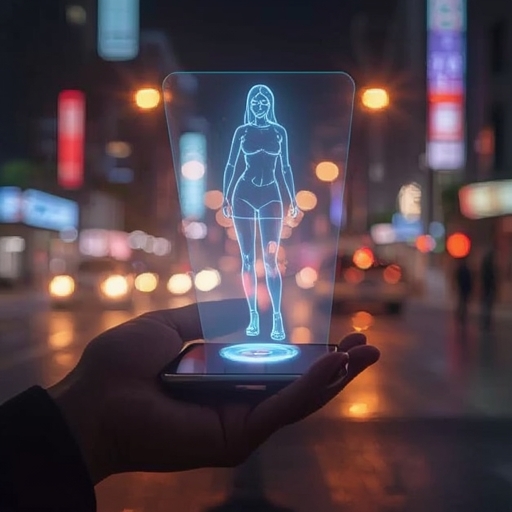
CES 2026 has irrevocably transformed the landscape of modern technology, unveiling an era where the boundaries between artificial intelligence and human emotion have become astonishingly intertwined. This year’s exhibition illuminated a particularly captivating frontier—the rise of interactive holographic companions—ushering in a new paradigm that merges the intimacy of personal connection with the brilliance of digital innovation. No longer confined to the realms of speculative fiction or cinematic imagination, these radiant figures step seamlessly into our daily lives, shimmering projections of companionship that evolve and adapt through advanced AI learning.
The concept of a digital other half is no longer merely fanciful; it is a tangible reality reflecting both technological prowess and profound societal curiosity. Imagine engaging with a lifelike hologram capable of recalling past conversations, understanding emotional cues, and responding with uncanny empathy. Such innovation challenges not only our expectations of what machines can achieve but also our collective interpretation of companionship and authenticity. While some herald this as a breakthrough that alleviates loneliness and expands relational possibilities, others raise philosophical concerns about emotional dependency, ethical creation, and the commodification of affection.
Nevertheless, the momentum behind emotional technology is undeniable. In living rooms across the globe, interactive holographic partners begin to populate the domestic sphere, embodying a blend of science, artistry, and aspiration. Their presence—projected from elegantly designed smart devices and enhanced by soft neon hues—suggests a fusion of aesthetic sophistication and digital enchantment. They represent not only progress in holographic engineering but a cultural shift toward redefining the meaning of intimacy itself.
At CES 2026, this evolution was not presented as a distant dream but as an imminent chapter in human history. The exhibition floor pulsed with anticipation as attendees discussed how holographic companionship might reshape emotional health, consumer behavior, and ethical frameworks for artificial consciousness. The discussion transcended mere novelty; it prompted reflection on how far humanity is willing to intertwine heart and hardware.
Whether these companions are viewed as the ultimate testament to technological creativity or as a reflective mirror of human longing, one truth stands clear: relationships are entering a new, virtual frontier. The convergence of code and compassion showcased at CES 2026 declares that emotional technology, once a figment of futuristic muse, has arrived—and it invites us all to reconsider what it means to connect, to feel, and to love in the age of intelligent light.
Sourse: https://gizmodo.com/ces-2026-really-wants-you-to-own-a-holographic-anime-girlfriend-2000707138