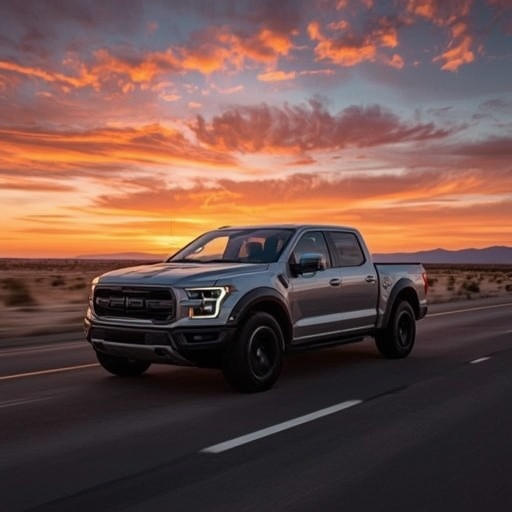
Chevrolet’s Silverado EV was conceived as a bold declaration of American innovation—a fusion of heritage, performance, and sustainability that could have dominated the electric vehicle landscape. On paper, every element of its design suggested a triumph: a revered nameplate reborn through cutting-edge technology, a robust utility vehicle reengineered for the future’s clean-energy demands, and the symbolic merging of classic American toughness with modern environmental responsibility. Yet, despite this powerful narrative and the brand’s immense marketing reach, the Silverado EV has struggled to achieve the widespread consumer enthusiasm expected of such a flagship model. This discrepancy invites a deeper exploration into the interplay of engineering, consumer psychology, and market conditions shaping its reception.
When Chevrolet unveiled the Silverado EV, expectations were sky-high. The truck’s engineering boasted impressive torque, formidable towing capacity, and a range that positioned it as a legitimate contender against both legacy rivals and emerging EV startups. Every technical specification seemed calibrated to reassure loyal pickup owners that transitioning to electric wouldn’t require sacrifices in power or practicality. However, beneath the gleaming statistics, several intangible barriers remained unresolved—barriers rooted not in the product’s physical capability but rather in perception, price, and timing.
First, the Silverado EV entered a market still adjusting to the notion of an electric truck. Traditional pickup drivers often associate identity with reliability, endurance, and mechanical familiarity—values tied to an emotional narrative of ruggedness that electric powertrains, for many, have yet to embody. While tech-oriented consumers may view electric propulsion as sophisticated and forward-thinking, lifelong truck owners tend to evaluate vehicles through tangible benchmarks: maintenance predictability, longevity under strain, and refueling convenience. Even as the Silverado EV performs capably, the absence of a vast and fast-charging infrastructure evokes uncertainty compared to the immediate reassurance of a gasoline pump.
Price, too, plays a significant role in dampening adoption. Electric trucks, constrained by costly battery components and limited production volumes, frequently retail at premium levels. This financial threshold creates an entry barrier for buyers accustomed to more accessible models within Chevy’s traditional lineup. In an era where inflation and economic prudence shape consumer decisions, even patriotic admiration for an iconic badge cannot always overcome practical budgetary limits.
Equally relevant is timing within the competitive EV landscape. General Motors faces pressure from Tesla’s disruptive Cybertruck, Ford’s versatile F-150 Lightning, and a growing field of niche manufacturers appealing to adventurous early adopters. Each competitor captures a specific slice of the market—some emphasizing spectacle and novelty, others reliability and incremental progress. Amid this crowded stage, the Silverado EV risks being perceived less as groundbreaking and more as late to the conversation, regardless of its actual mechanical merit.
This complex web of challenges does not imply that Chevrolet’s vision has failed; rather, it underscores how success in the modern automotive industry depends on more than technical excellence. Winning over the average truck buyer requires reshaping cultural expectations, expanding charging accessibility, and recalibrating the value equation between innovation and affordability. If Chevy manages to bridge these gaps—by emphasizing total cost of ownership, promoting nationwide charging partnerships, and framing the EV transition as continuous with American resilience—then the Silverado’s electrified chapter could yet become a turning point instead of a footnote.
In essence, the Silverado EV’s story reflects a wider truth about the electrification of the automobile: that groundbreaking technology must be accompanied by careful storytelling, strategic accessibility, and emotional resonance. Whether this all-American EV truck ultimately revives its momentum or remains an underappreciated pioneer will depend not only on engineering prowess but on Chevy’s ability to convince drivers that progress and tradition can, in fact, share the same road.
Sourse: https://techcrunch.com/2026/07/03/chevy-built-an-all-american-ev-truck-why-is-nobody-buying-it/