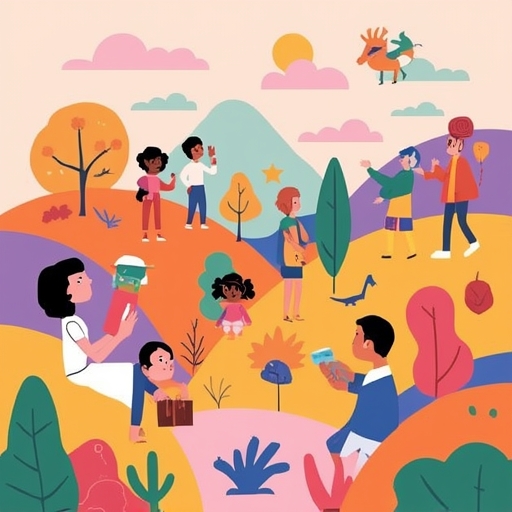
In recent discussions surrounding children’s television, the U.S. Federal Communications Commission (FCC) has turned its focus toward programming that includes themes of diversity, inclusion, and personal identity—topics that lie at the heart of human storytelling. What was once seen simply as an effort to portray the richness of children’s real-world experiences is now being reframed under a broader, more contentious lens by some policymakers. This development raises significant concerns about how societal values and government oversight intersect within creative industries.
When television crafted for young audiences dares to include characters who represent different cultural backgrounds, family structures, or gender identities, it does more than entertain—it educates and fosters empathy. Such programming serves as a window through which children glimpse both their own identities and the vast range of experiences that shape others. To label these portrayals as politically charged risks diminishing their core purpose: to reflect reality and celebrate humanity in all its complexity.
The FCC’s scrutiny, while ostensibly meant to ensure fairness or compliance with broadcasting norms, invites a critical question for creators, educators, and media professionals alike: should regulatory bodies dictate the contours of representation, or should the creative process remain a space for inclusive expression guided by ethical storytelling principles? The former might lead to cautious, homogenized narratives, whereas the latter encourages voices that mirror the diversity of the communities children inhabit.
Representation in media is not a mere aesthetic choice; it is a moral and social one. Stories that include every child—regardless of background—help nurture compassion, diminish prejudice, and plant the seeds of understanding early in life. By contrast, narrowing such portrayals can breed alienation and reinforce the false notion that some stories deserve less visibility than others. The way society frames these discussions will influence not only what children watch but how they learn to perceive the world and their place within it.
As professionals across journalism, production, and education weigh in, the prevailing sentiment among advocates for creative freedom remains clear: inclusivity is not an ideological statement but an affirmation of shared humanity. Children’s media that authentically engages with difference can inspire curiosity rather than fear, dialogue rather than division. In supporting this vision, we protect the right of every child to see themselves reflected with dignity and imagination.
Ultimately, the debate over the FCC’s approach transcends regulation. It cuts to the essence of storytelling itself—whether society will empower artists to illuminate the full spectrum of life or constrain them to a monochrome version of it. To stand for inclusive media is to invest in a future where empathy and understanding grow naturally from the stories we choose to tell.
Sourse: https://www.theverge.com/entertainment/917810/brendan-carr-fcc-transgender-nonbinary-childrens-programming


