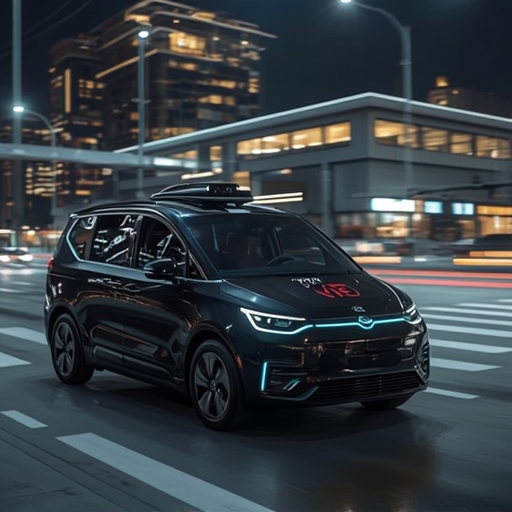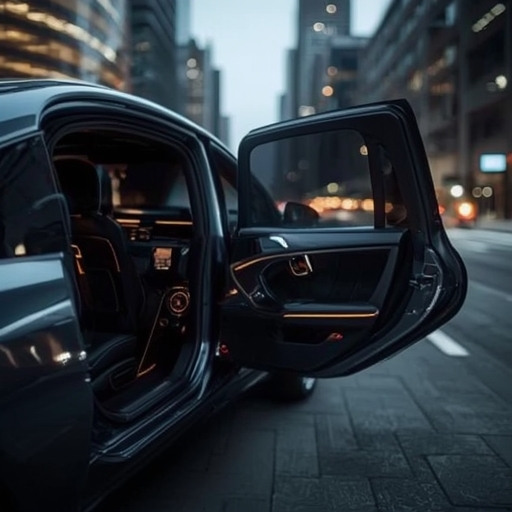
China has announced a sweeping and consequential regulation aimed at elevating the safety standards of its rapidly growing electric vehicle market. Beginning on January 1st, the country will formally prohibit the use of hidden or fully automatic door handles on all newly produced or imported electric vehicles. Instead, every car sold must be equipped with a mechanical release handle that allows immediate and manual opening from both the inside and the outside.
This policy shift might appear technical at first glance, yet its implications are substantial. Hidden or flush door handles—popularized by certain high-end electric vehicle brands for their sleek aesthetic and aerodynamic benefits—have long been criticized for their potential to malfunction or become inaccessible in emergencies. In extreme situations such as power failures, collisions, or submersion accidents, passengers may find themselves unable to exit the car quickly, posing a serious danger.
By enforcing this new rule, China’s automotive regulators have placed occupant safety at the forefront of design and functionality. The change underscores a pragmatic philosophy: while advanced technology enhances convenience and performance, it must never compromise the ability to act swiftly in life-threatening moments. The requirement for mechanical release mechanisms ensures that even in scenarios of electrical failure or damage, human intervention remains both possible and effective.
Industry analysts interpret this legislation as a clear signal of China’s determination to set new benchmarks for global electric vehicle safety. It aligns with the country’s larger strategy to create a robust and future-oriented EV ecosystem that values human life over purely cosmetic or technological innovation. Major manufacturers operating in China—both domestic and international—will now adjust their product lines to comply with these standards, potentially influencing design trends beyond Chinese borders.
Ultimately, this mandate reinforces an essential truth about the automotive transition to electrification: innovation in form and function must serve practicality and protection. As China pioneers stricter safety protocols, it is not only protecting drivers and passengers today but also shaping a precedent for how next-generation electric vehicles will balance aesthetics, technology, and fundamental human safety worldwide.
Sourse: https://www.theverge.com/transportation/873039/china-ban-hidden-tesla-door-handles-january-2027