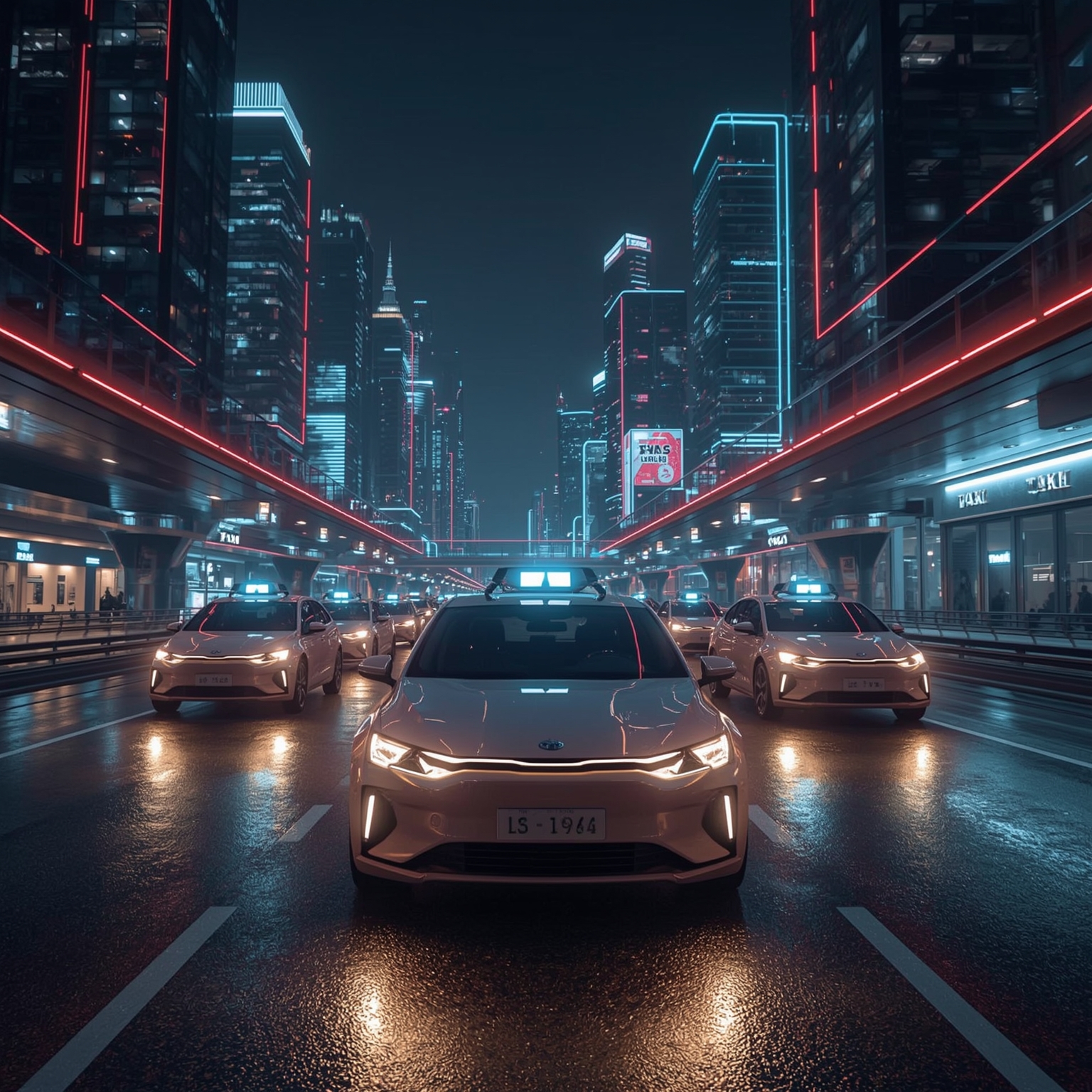
A new and fascinating chapter in the evolution of urban transportation is unfolding as two of China’s foremost pioneers in autonomous mobility—WeRide and Pony AI—formally begin their expansion into Singapore. This city-state, internationally recognized for its cutting-edge technological infrastructure and for possessing some of the most meticulously detailed and reliable digital maps on the planet, has been carefully selected as their initial hub of operations within Southeast Asia. By positioning Singapore at the center of their regional launch strategy, the companies are not only acknowledging the city’s reputation for precision urban planning and sophisticated digital ecosystems, but also highlighting its suitability as a proving ground for futuristic innovations in mobility.
WeRide and Pony AI are widely regarded as leaders in the global competition to commercialize self-driving transportation, particularly in the area of robotaxi services. With previous successes in other markets and extensive testing in controlled environments, both organizations have continually refined their technologies in order to reduce risk, enhance efficiency, and ultimately deliver a seamless passenger experience. Their decision to establish a presence in Singapore demonstrates a strategic alignment between the city’s governmental support for smart transportation initiatives and the companies’ objective of making autonomous ride-hailing not only feasible, but also dependable and safe on a large scale.
The deployment of robotaxis in Singapore is therefore more than just the extension of business operations; it represents a symbolic and practical leap forward in the global race toward smarter, greener, and more efficient cities. Autonomous vehicles, especially those enabled by real-time navigational systems built upon high-resolution mapping data, offer the potential to reduce traffic congestion, lower accident rates caused by human error, and contribute to sustainable urban growth. Given Singapore’s long-standing emphasis on technological advancement and its success as a hub for innovation in Asia, the city provides a natural stage on which such transformative mobility solutions can be introduced and tested before being scaled globally.
As WeRide and Pony AI begin to integrate their driverless fleets into Singapore’s unique urban environment, the implications extend well beyond the question of whether individuals are ready to step into a taxi without a human driver. On a broader level, it signals a tangible shift in how we conceive of urban movement, shared mobility services, and the future of global transportation infrastructure. With this expansion, the robotaxi industry draws closer to transforming theoretical innovation into practical, everyday experience, setting new benchmarks for what the next generation of smart cities will look like in practice.
Sourse: https://www.bloomberg.com/news/articles/2025-09-20/china-s-pony-ai-weride-take-robotaxi-rivalry-to-singapore