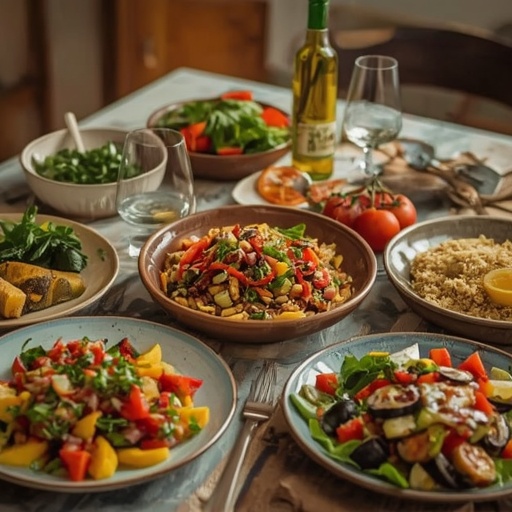
Several major restaurant chains across the United States—including well-known fast-casual and quick-service establishments—are experiencing a tangible decline in customer foot traffic, a trend that coincides with ongoing concerns surrounding the cyclospora outbreak. This microscopic parasite, often linked to contaminated fresh produce such as lettuce, cilantro, or berries, has reignited public anxiety about foodborne illness and the broader reliability of fresh ingredients in restaurant supply chains.
Although the drop in in-person diners varies by region and brand, the pattern is becoming increasingly evident across both national and local markets. Consumers, ever more health-conscious and information-driven, are showing heightened sensitivity toward anything that undermines perceptions of food safety. Dining decisions today extend far beyond taste, convenience, or price—trust has become a dominant factor in shaping behavior.
Restaurants that heavily rely on fresh salads, garnishes, and produce-based menu offerings—such as Panera Bread, Chopt, and similar health-oriented chains—appear particularly vulnerable to these shifts. Even stalwarts of the fast-food sector, including Taco Bell, are witnessing cautious hesitation among customers who might otherwise frequent these venues regularly. Some patrons are reportedly opting for cooked meals or choosing takeout over dine-in experiences as a measure of precaution.
This situation underscores the complex interplay between public health events and economic performance in the hospitality sector. A single pathogen outbreak, even when limited in scope, can echo through multiple layers of the supply chain: from farms and produce distributors to restaurant operators and ultimately, consumer sentiment. When safety issues surface, they do not merely affect sales in the short term—they can challenge a brand’s reputation and long-term consumer loyalty.
Industry analysts note that the current downturn in restaurant visits is not simply a matter of fear but part of a broader trend. Modern diners are more responsive to real-time news, social media discourse, and transparency in sourcing. They expect rapid action, reassurance, and visible safety measures from restaurant brands in times of uncertainty. As a result, many chains are redoubling their efforts to communicate their quality-control protocols, emphasizing supply traceability and rigorous produce washing practices.
In essence, the cyclospora outbreak has become more than a public health story—it serves as a revealing snapshot of how fragile the balance between customer trust and operational complexity can be in the modern food industry. It demonstrates how a microscopic organism capable of affecting human health can also recalibrate the dining landscape, influencing consumer confidence and reshaping patterns of everyday behavior across the country. Restaurants, striving to regain momentum, now face the dual challenge of ensuring safety while restoring the public’s appetite for confidence in every fresh ingredient served.
Sourse: https://www.businessinsider.com/taco-bell-panera-see-fewer-visitors-amid-cyclospora-outbreak-2026-7