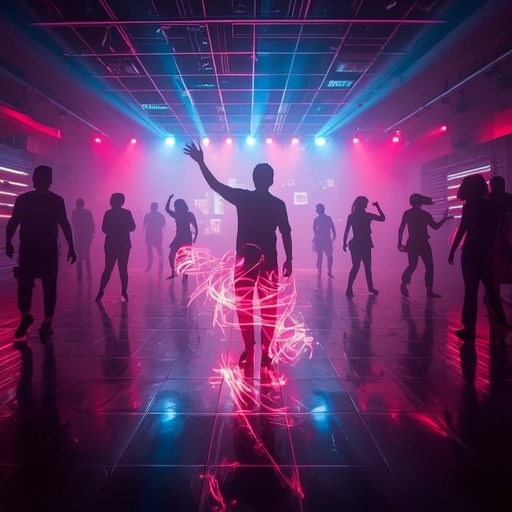
When I first stepped onto a dance floor alone at the age of thirty-five, I didn’t realize that I was opening the door to an entirely new dimension of freedom and self-discovery. What began as a spontaneous decision evolved into a deeply transformative experience — one that reshaped the way I perceive solitude, joy, and personal growth. As the music surrounded me and rhythm replaced words, I came to understand that silence between beats can teach more than any conversation ever could. Being alone among hundreds of strangers did not feel isolating; instead, it revealed a unique connection to myself that I had long neglected in the noise of everyday life.
Raving solo was never about proving independence to anyone else. It was about nurturing the quiet bravery that comes from doing something purely for your own spirit. Initially, I felt awkward arriving without friends, that unspoken social pressure whispering that nightlife requires company to be meaningful. Yet, as the lights began to pulse and bodies moved in unison, that hesitation melted away. I realized that dancing alone wasn’t truly being alone — it was being fully present with myself, listening to the cadence of my own emotions, and allowing them to sync effortlessly with the rhythm encircling me.
Through every festival, club, and open-air gathering, each solo rave became more than just an event; it turned into a kind of moving meditation. The swaying crowd and the deep vibrations became symbols of harmony between chaos and clarity. There was something profoundly healing in surrendering to the music without pretense, in rediscovering the wild, spontaneous joy that adulthood often hides beneath responsibilities and routine. In that unfiltered joy, I found confidence — not the loud, performative kind, but one that arises quietly when you stop needing validation from anyone else.
Traveling across European cities for raves taught me even more. Each destination brought not only new soundscapes but new lessons in mindfulness and connection. Being surrounded by strangers who understood the universal language of rhythm reminded me that belonging isn’t about familiarity; it’s about shared energy. The experiences blurred the lines between solitude and community, showing that self-connection can create its own gravity — one powerful enough to draw others toward genuine, wordless camaraderie.
Raving alone at thirty-five defied every cultural script that says joy, exploration, or nightlife belong only to youth. Instead, it redefined age as an expanding horizon rather than a boundary. It affirmed that fulfillment has no deadline — that moments of euphoria, introspection, and transformation can emerge at any stage of life if you are willing to step into the unknown. Dancing became a metaphor for liberation, for honoring emotion through movement without inhibition or judgment.
Now, whenever I step onto a glowing dance floor, I carry a new understanding of myself: that solitude, when chosen intentionally, is not emptiness but empowerment. The rhythm teaches patience; the crowd teaches unity; the experience teaches trust — in both the music and in yourself. So if you ever find yourself hesitating to dance alone, remember that the best company you will ever find is your own rhythm — steady, unique, and endlessly capable of leading you home to who you truly are.
Sourse: https://www.businessinsider.com/i-thought-i-was-too-old-to-rave-at-35-2026-3