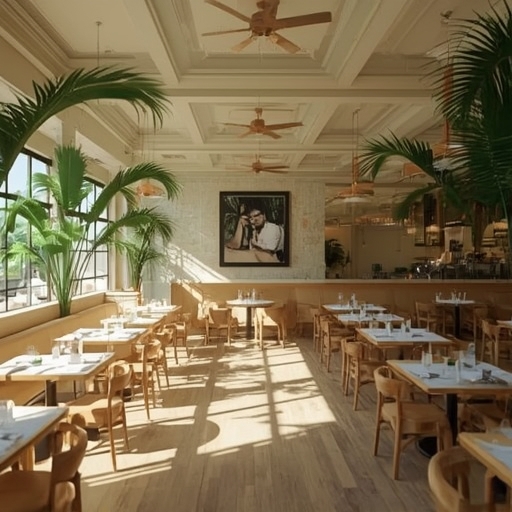
Darden Restaurants, one of the most recognizable names in American casual dining, has announced a major strategic decision: the complete closure and transformation of all 28 Bahama Breeze locations across the United States. This move officially marks the end of the restaurant chain’s tropical island-inspired brand, once known for its Caribbean-style food, fruity cocktails, and laid-back atmosphere reminiscent of coastal getaways.
According to the company’s detailed plan, fourteen Bahama Breeze restaurants will permanently shut their doors no later than April 5. The remaining fourteen properties will not vanish entirely; instead, they will undergo extensive renovations and reopen under various other Darden-owned concepts. Although the specific new restaurant identities have not been disclosed, Darden’s portfolio includes household names such as Olive Garden, LongHorn Steakhouse, Seasons 52, and The Capital Grille, suggesting some may take direction from these established brands.
The decision highlights a deliberate and forward-looking corporate strategy aimed at aligning with changing consumer preferences, dining trends, and regional performance data. In recent years, many casual dining chains have faced pressures from shifting market demands—such as rising operational costs, urban real estate challenges, and the evolution of customer expectations for experience-driven dining. By reallocating resources and reconfiguring properties, Darden is putting emphasis on long-term profitability and brand efficiency within its overall portfolio rather than maintaining a nostalgic, yet underperforming, brand identity.
Bahama Breeze first opened its doors in 1996, offering guests a vibrant escape from everyday life through its island-inspired cuisine and lively ambiance. Over nearly three decades, it cultivated a loyal following drawn to favorites like jerk chicken, coconut shrimp, and rum-based cocktails served against a background of reggae and steel drums. However, the competitive casual dining market and changing demographic interests have made it increasingly difficult for the brand to stand out in a crowded space dominated by contemporary experiences, faster service, and comfort-focused menus.
Industry analysts view this decision as a reflection of Darden’s continual process of portfolio optimization—a strategic balancing act between sustaining iconic restaurant brands and innovating for tomorrow’s guests. While the closure will undoubtedly be disappointing news for longtime fans of Bahama Breeze’s signature tropical atmosphere, the reimagined spaces promise to carry forward Darden’s commitment to quality food and hospitality excellence, albeit under new and potentially more adaptive brand visions.
In essence, the sun may be setting on Bahama Breeze, but Darden Restaurants appears set to usher in a new era of creative reinvention—transforming the end of one chapter into the launch of several new beginnings within America’s evolving restaurant landscape.
Sourse: https://www.businessinsider.com/bahama-breeze-closing-28-locations-darden-restaurants-2026-2