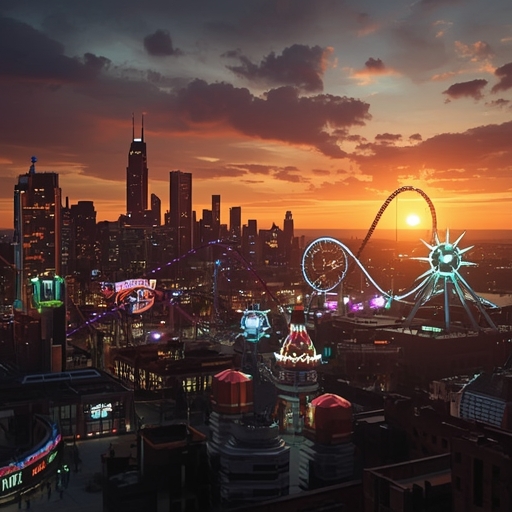
In recent years, the only way for fans eager to immerse themselves in the world of legendary superheroes such as Batman, Superman, or Wonder Woman has typically been by visiting one of the numerous Six Flags theme parks scattered across the United States. These parks have long held the privilege of bringing DC’s famous characters to life through a collection of thrilling rides and experiences. However, the future of that exclusive arrangement may soon evolve, as Warner Bros., the parent company behind DC Studios, is reportedly seeking to diversify its theme park partnerships and broaden the reach of its beloved comic book universe.
According to a detailed report from Bloomberg, DC Studios has entered preliminary discussions with several potential theme park collaborators. Among the entities mentioned, Universal Parks & Resorts emerges as the most notable name on the list. The negotiations center on licensing DC’s pantheon of heroes and villains for the creation of new, large-scale attractions and immersive adventures designed to rival the most ambitious experiences in the industry. While these talks are still described as being in their nascent stages—with no formal contracts, detailed terms, or binding commitments yet established—the fact that such conversations are underway indicates a significant shift in strategy for Warner Bros. Importantly, insiders suggest that this development would not necessarily terminate the long-standing deal with Six Flags. Instead, it would potentially lead to the coexistence of DC-themed experiences across multiple theme park franchises, providing fans with new ways to engage with familiar characters and settings.
At present, Universal stands as the single confirmed operator mentioned in the report, and its involvement would be particularly influential given the company’s extensive experience in creating blockbuster-themed environments. Universal’s parks already serve as homes to some of the most celebrated intellectual properties in modern entertainment. These include the enduringly popular Marvel Super Hero Island in Orlando, the magical Wizarding World of Harry Potter—developed in partnership with Warner Bros.—as well as attractions inspired by Jurassic Park, How to Train Your Dragon, and the Universal Monsters. Considering this impressive portfolio, a new alliance between Universal and DC Studios could yield a multi-dimensional destination where Gotham City, Metropolis, or Themyscira could be fully realized on an unprecedented scale.
Currently, Six Flags delivers a variety of DC-branded roller coasters and rides—often themed with recognizable logos, soundtracks, and character imagery—but none of its parks feature a completely immersive district dedicated to a single comic book city or mythology. Unlike Disney’s Star Wars: Galaxy’s Edge or Universal’s Wizarding World of Harry Potter, which are meticulously crafted as self-contained lands that allow guests to explore, dine, and interact within fictional settings, DC’s current presence remains largely attraction-based rather than environmental. The potential licensing expansion hinted at in Bloomberg’s report suggests that a future partnership, particularly one involving Universal, could finally make those deeply immersive “worlds within worlds” a tangible reality for DC fans.
However, this story becomes even more complex when viewed alongside a major concurrent development in the entertainment industry—the recent acquisition of Warner Bros. Discovery by Netflix. Almost simultaneously with the theme park news, this landmark deal reshaped conversations across Hollywood and beyond. Netflix, which has only just begun experimenting with physical destinations through its “Netflix House” mini attractions, may now possess both the incentive and the intellectual property to create more expansive branded experiences. With the entire Warner Bros. catalog at its disposal, the streaming giant could conceivably decide either to expand upon or to dissolve any preexisting negotiations initiated prior to the merger. After all, it would be a bold strategic decision to allow competing entities such as Universal to profit from assets—like Batman or Wonder Woman—that would now fall under Netflix’s control.
Given the number of intertwined business interests, licensing agreements, and ownership rights involved, predicting how these developments will unfold remains inherently uncertain. Yet the overarching implication is clear: DC’s presence in the physical entertainment space is poised for transformation. Whether under the stewardship of Universal, Netflix, or an entirely different partner, the next phase may finally bring the expansive, cinematic treatment that DC’s mythic heroes have long deserved. Fans can therefore look forward to the day when walking the neon-lit streets of Gotham City, standing beneath the skyscrapers of Metropolis, or venturing into Wonder Woman’s Themyscira becomes an experience as tangible and breathtaking as visiting any of the great fantasy realms that currently define the world’s premier theme parks.
Ultimately, while negotiations remain fluid and corporate mergers continue to reshape the landscape, the exciting potential remains: in the foreseeable future, DC could follow Marvel’s path toward a larger, more immersive global theme park presence that fully captures the imagination of its devoted audience. For fans everywhere, the only question left to ponder is a playful one—where would you most like to see DC’s legendary heroes make their next real-world debut?
Sourse: https://gizmodo.com/dc-studios-universal-theme-park-negotations-2000696312