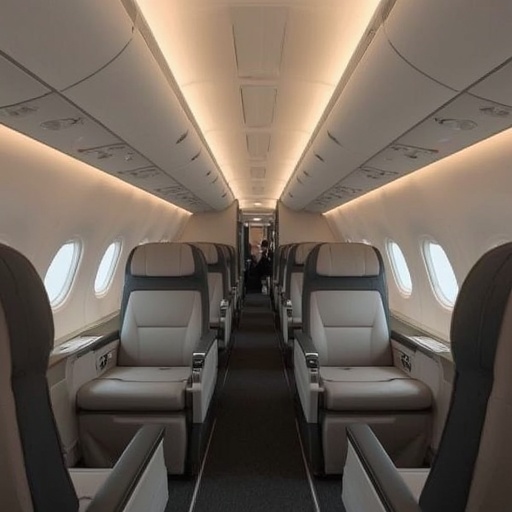
Delta Air Lines has unveiled an innovative concept aimed squarely at transforming the landscape of corporate and executive travel — the introduction of its new ‘Basic Business Class.’ This development represents not merely a rebranding effort, but rather a strategic recalibration of the way premium seating is offered and priced in a competitive aviation market increasingly focused on flexibility and personalization.
Under this new model, the airline preserves the most desirable aspect of the business-class experience — the spacious and comfortable seat configuration, designed for work and rest alike — while strategically omitting several ancillary perks such as access to exclusive lounges, complimentary seat selection, and other high-end amenities. By eliminating these additional services, Delta has effectively lowered the entry threshold for travelers seeking a refined journey without incurring the full cost traditionally associated with business class.
This initiative appeals to a new generation of professionals who prioritize value, efficiency, and pragmatic spending over luxury excess. For companies monitoring travel budgets and independent travelers eager to elevate their in-flight experience without significant financial trade-offs, ‘Basic Business Class’ offers a compelling compromise: business-class comfort at an accessible price point. Imagine a transcontinental or international flight where passengers still enjoy superior legroom, lie-flat seating, and elevated in-flight service, yet pay only for the elements of the journey they truly need.
From a broader industry perspective, Delta’s decision to unbundle premium products mirrors a wider structural trend across the global airline sector — the gradual blending of low-cost and full-service models. By reconfiguring its offering to accommodate both frugality and comfort, Delta demonstrates responsiveness to shifting traveler demographics and evolving consumer expectations. In today’s marketplace, where personalization often supersedes luxury, this move signifies the airline’s commitment to meeting diverse budgetary and experiential demands.
In addition to appealing to travelers, this pricing innovation is likely to enhance operational efficiency and stimulate competition, paving the way for rival carriers to reconsider how they deliver mid-tier premium options. The implications go beyond pricing strategy; they reshape customer perception of value and exclusivity in business travel.
Ultimately, Delta’s ‘Basic Business Class’ represents a nuanced evolution — an effort to democratize access to premium flight experiences. It recognizes that many travelers long for comfort and productivity at altitude, but not necessarily for every ancillary indulgence. In blending practicality with prestige, Delta invites passengers to reimagine what business travel can be: streamlined, selectively luxurious, and tailored precisely to the modern traveler’s sense of worth and need.
Sourse: https://www.businessinsider.com/delta-air-lines-new-basic-business-class-2026-7