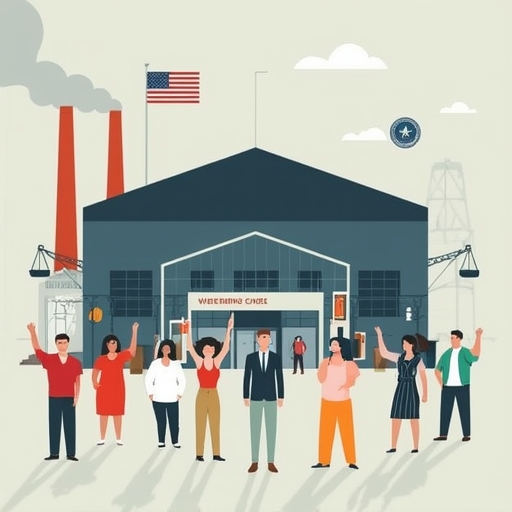
Representative Rashida Tlaib has put forward a significant piece of legislation known as the Ban Warehouse Detention Act, an initiative meticulously designed to prevent the United States Immigration and Customs Enforcement (ICE) from repurposing industrial warehouse facilities or other non-traditional structures into sites for immigrant detention. This legislative effort represents a calculated response to the growing concern over the use of inadequately equipped spaces that fail to meet humane living or safety standards for detained individuals.\n\nBy explicitly prohibiting the conversion of commercial and industrial buildings into makeshift detention centers, the bill demonstrates a clear intent to uphold and reinforce fundamental human rights within the immigration enforcement process. It challenges ICE’s long-standing practice of transforming cost-efficient but unsuitable facilities into detention operations that often lack basic infrastructure, proper medical services, and compliance with federal detention guidelines.\n\nThrough this proposal, Tlaib and her supporters seek to instigate a broader national dialogue concerning ethics, accountability, and humanitarian standards in federal immigration policy. The legislation embodies a philosophical shift away from treating detention as merely an administrative convenience toward recognizing it as a humanitarian responsibility demanding transparency and oversight. In doing so, it directly confronts the systemic issues tied to privatization, profit motives, and secrecy that have historically surrounded the immigration detention industry.\n\nThe potential implications of the Ban Warehouse Detention Act extend far beyond the immediate question of facility designation. If enacted, the measure could reshape federal enforcement practices by compelling agencies to reconsider infrastructure planning and compliance mechanisms within detention management. It would also signal a heightened governmental commitment to ensuring that all detained persons, regardless of immigration status, are held in environments that meet acceptable standards for human dignity, safety, and health.\n\nUltimately, this bill serves not only as a legislative restriction but also as a moral declaration emphasizing the importance of humane treatment within systems of immigration control. As part of the broader conversation about immigration reform and social justice, the Ban Warehouse Detention Act underscores an evolving recognition: that the physical spaces where people are confined reflect the nation’s collective values regarding justice, compassion, and the ethical exercise of power.
Sourse: https://www.theverge.com/policy/917643/ban-warehouse-detention-act-ice-dhs


