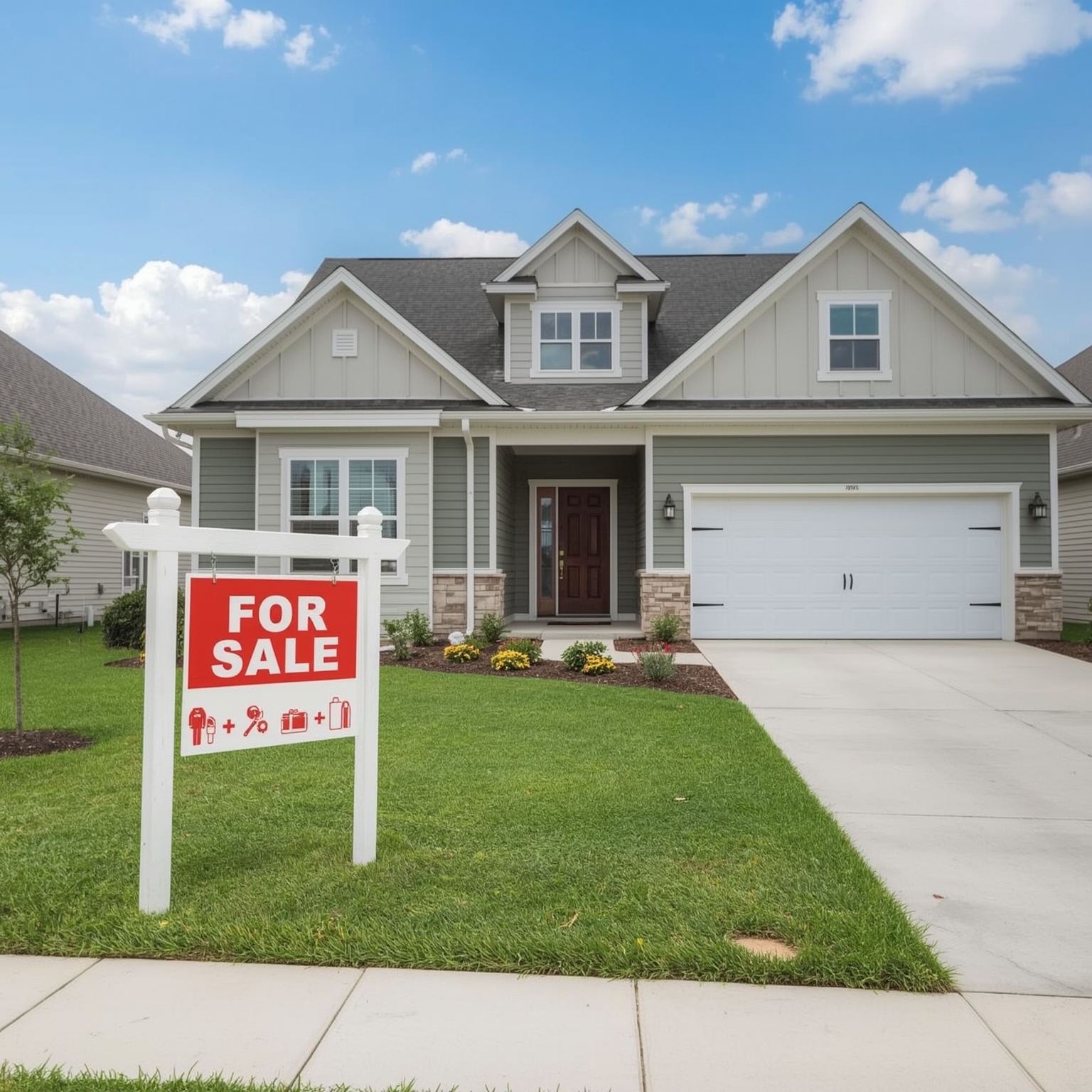
For many years, prospective homeowners often felt trapped at the mercy of sellers, competing in ruthless bidding wars where supply fell far short of demand. Today, however, the landscape has altered noticeably, bringing much-needed relief to house hunters. In numerous metropolitan areas where available housing inventory is now outstripping the number of active buyers and where pending deals are collapsing before reaching the closing table, the balance of power has shifted. Increasingly anxious sellers are finding themselves compelled to make concessions they would not have entertained in the past. This evolving climate represents a strategic opening for determined buyers who are motivated to secure a property. Both residential developers and individual homeowners are responding to slowing demand by lowering their asking prices and, in some circumstances, layering in additional incentives such as financial concessions or home upgrades to entice offers.
Daryl Fairweather, the chief economist at Redfin, explained to Business Insider that, at present, the market is bifurcated by geography. In certain regions, particularly those characterized by robust new housing construction, there is simply a larger stock of properties than there are individuals willing or able to purchase them. As she put it, “there are more homes to fill than there are buyers out there.” Although sellers’ behavior varies across local markets, areas with substantial development have clearly tipped toward a buyer’s market. Moreover, she emphasized that homebuilders, unlike ordinary homeowners, are generally far more willing to negotiate. Many existing homeowners feel no urgency to sell because they are benefiting from historically low mortgage rates locked in during the pandemic, providing them with less incentive to compromise on price or terms. Builders, in contrast, must continually confront the financial cost of carrying unsold inventory, including interest expenses and accounting pressures, which push them toward faster sales. Despite these differences, opportunities to negotiate do exist across the entire marketplace.
Among the most advantageous bargaining chips available to buyers are four types of deals that can yield tangible financial or practical benefits, though each option also carries potential trade-offs worth considering carefully.
**1. Negotiating a Lower Purchase Price**
The most straightforward and perhaps most advantageous request is a reduction in the official asking price of the property. The benefits of such a concession unfold both immediately and over the long term. In the short run, buyers benefit from reduced upfront cash requirements because their down payment, which is calculated as a percentage of the purchase price, becomes smaller. Over time, the savings extend into the amortization of the mortgage loan. A reduced loan balance means smaller monthly principal-and-interest payments and, more importantly, a lower total interest burden across the entire life of the loan. Fairweather notes that price cuts are most often granted by property developers. Whereas existing homeowners can simply choose to remain in their residence if they do not receive compelling offers, builders cannot afford for properties to sit unsold. Every extra day a house lingers on the market represents a continuation of costs and unrealized revenue, motivating them to accept lower offers.
**2. Requesting a Mortgage Rate Buydown**
Another increasingly common incentive is referred to as a mortgage rate buydown. In this arrangement, the seller or the builder assumes the cost of temporarily reducing the buyer’s mortgage interest rate for the initial years of repayment. This lowers the borrower’s monthly payment during the introductory period, providing budget relief when cash flow is often most strained by moving expenses. Once the promotional term expires, however, the loan reverts to its original note rate. Buyers seeking a permanent solution can purchase discount points at the closing table; typically, a single point amounts to one percent of the loan balance and secures a reduction of the interest rate by approximately one-quarter of a percent. While attractive, a buydown has inherent limitations. Because it is temporary, monthly payments eventually rise. If borrowers fail to anticipate these higher future costs, the financial adjustment could prove challenging. Furthermore, if a household expects to move again in only a few years or if prevailing rates decline beneath the buydown-adjusted rate, the benefit quickly diminishes. Fairweather advises some buyers to consider long-term tangible upgrades instead, such as enhanced kitchen finishes or premium countertops, to secure lasting value. Still, given widespread concerns about monthly expenses in the near term, rate buydowns remain a popular incentive among today’s buyers.
**3. Having the Seller or Builder Pay Closing Costs**
Closing costs, though less visible than mortgage interest rates, can represent a substantial and often overlooked financial hurdle. These costs encompass a collection of mandatory fees imposed to finalize a real estate transaction, including loan origination charges, professional appraisals, title services, and legal documentation. On average, they total between two and five percent of the loan amount, which can translate into several thousands of dollars due at closing. Buyers can negotiate to have the seller or builder absorb some or all of these expenses. If successful, purchasers may redirect the capital they would have spent on paperwork and administrative fees toward more immediate needs such as essential repairs, renovations, appliances, or furnishings. This shift in allocation can significantly ease the transition into a new home.
**4. Requesting the Seller to Cover Repairs or Customizations**
Lastly, negotiating for repairs or adjustments to the property itself can yield both financial relief and improved livability. For buyers considering homes with deferred maintenance—such as an aging heating and cooling system—or those desiring improvements like upgraded landscaping, sellers may agree to address these shortcomings. This can be executed in several ways: direct completion of renovations before transfer, provision of a credit reimbursed at closing, or adjusting the overall purchase price downward to give the buyer financial flexibility. Fairweather has observed that this strategy is particularly common with new builds, where minor customizations—cosmetic choices, appliance selections, or upgrades—can often be bundled into the negotiation process at little cost to the buyer.
**The Temporary Nature of Today’s Buyer’s Market**
Despite the current abundance of negotiation opportunities, this unique window for buyers may prove temporary. As Fairweather remarked, much depends on the trajectory of mortgage rates. Should rates continue to decline, the relative affordability of borrowing will draw more buyers back into the market. An influx of additional demand may, by the time the spring season arrives, once again tilt the advantage toward sellers, reducing buyers’ bargaining power. Consequently, individuals eager to capitalize on the present moment may find it wise to act before competition re-intensifies.
In summary, today’s housing climate grants homebuyers an unusual degree of influence, allowing them to extract significant concessions from motivated sellers and builders. Whether through negotiating for price reductions, leveraging interest rate incentives, obtaining assistance with closing costs, or arranging repairs and upgrades, savvy buyers have multiple tools at their disposal. Yet, as history reminds us, markets evolve rapidly, and the leverage that buyers enjoy now may not last indefinitely.
Sourse: https://www.businessinsider.com/deals-home-buyers-can-negotiate-mortgage-rate-buydowns-repairs-2025-9