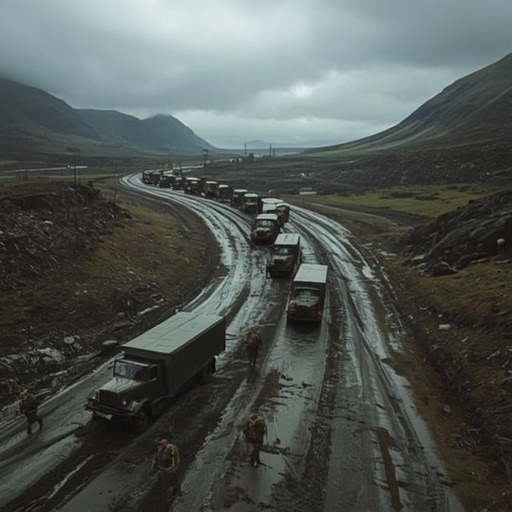
Recent intelligence and field observations from Ukraine’s defense ministry reveal a deepening logistical crisis within Russian military operations. Reports indicate that Russian soldiers, unable to rely on basic transportation due to fuel shortages and disrupted supply routes, are now being forced to march on foot for approximately eighteen miles to reach the active front lines. This development illustrates not only an immediate breakdown in tactical resupply chains but also exposes systemic weaknesses within the broader operational command responsible for sustaining front-line readiness. In military strategy, logistics serve as the lifeblood of any campaign—providing the essential link between planning and execution. When that artery is severed, even the most formidable forces experience significant degradation in combat effectiveness. The current situation underscores the cascading consequences of compromised mobility: delayed reinforcements, limited access to ammunition and fuel, and diminished morale among troops who must now endure arduous conditions before even engaging the enemy. Furthermore, this logistical paralysis demonstrates how infrastructural resilience—or the lack thereof—has become a decisive factor in modern warfare. Ukraine’s continued emphasis on disrupting enemy supply corridors has proven strategically advantageous, transforming distance and attrition into powerful tools of defense. For observers and analysts, these developments highlight a timeless military principle reaffirmed in today’s conflict: victory often hinges less on firepower than on the ability to maintain a functioning, adaptive supply network under pressure.
Sourse: https://www.businessinsider.com/russian-troops-walk-30-km-supply-lines-disrupted-mykhailo-fedorov-2026-7