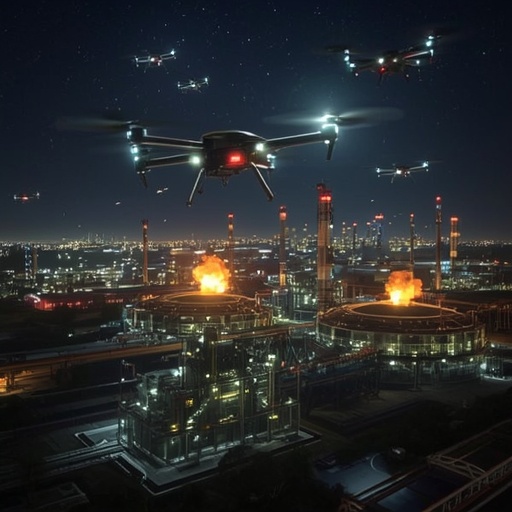
Ukraine’s stepped-up campaign of drone attacks against Russian oil production and transportation infrastructure has dramatically intensified, creating a ripple effect that reaches deep into the country’s energy system. These assaults, which include multiple strikes on vital oil refineries, distribution depots, and columns of fuel transport trucks, are beginning to have a measurable impact on Moscow’s capacity to sustain consistent fuel supplies across regions. Reports indicate that within a single week, more than three hundred and sixty supply vehicles were targeted or damaged, underscoring the precision and frequency of Ukraine’s unmanned operations.
The immediate consequence of these raids has been a mounting shortage of petrol and diesel products in numerous parts of Russia, with some areas experiencing extended periods during which fuel is virtually unavailable for sale. Filling stations have reported delays in deliveries, and long lines of motorists have become a common sight in certain localities. These logistical disruptions do not merely inconvenience civilians—they also reveal mounting strain on the broader wartime economy, which depends heavily on a reliable flow of energy for both military and industrial demands.
Strategically, the growing emphasis on drone warfare represents a calculated shift by Ukraine, moving beyond conventional military engagements to attack the logistical backbone of its adversary. By focusing on fuel infrastructure—one of the most vulnerable yet indispensable elements of a modern state—Ukraine has transformed energy supply chains into a new front of confrontation. The economic implications of this tactic extend well past the immediate battlefield, potentially influencing international energy markets, altering transportation networks, and compelling Russian authorities to divert resources from other critical sectors to protect refineries and convoy routes.
This phase of the conflict illustrates how technological adaptation and real-time intelligence can redefine warfare in the twenty-first century. Small, cost-effective aerial systems are now capable of inflicting economic damage that, only a few years ago, would have required large-scale bombardment or months of coordinated sabotage. As Ukrainian drone operations continue to expand in scale and sophistication, the pressure on Russia’s already strained fuel infrastructure intensifies, marking a profound escalation in this ongoing struggle and signaling a future where control over energy assets becomes as crucial as victory on the battlefield.
Sourse: https://www.businessinsider.com/russia-worst-fuel-crisis-ukraine-drone-strikes-crimea-petrol-unavailable-2026-7