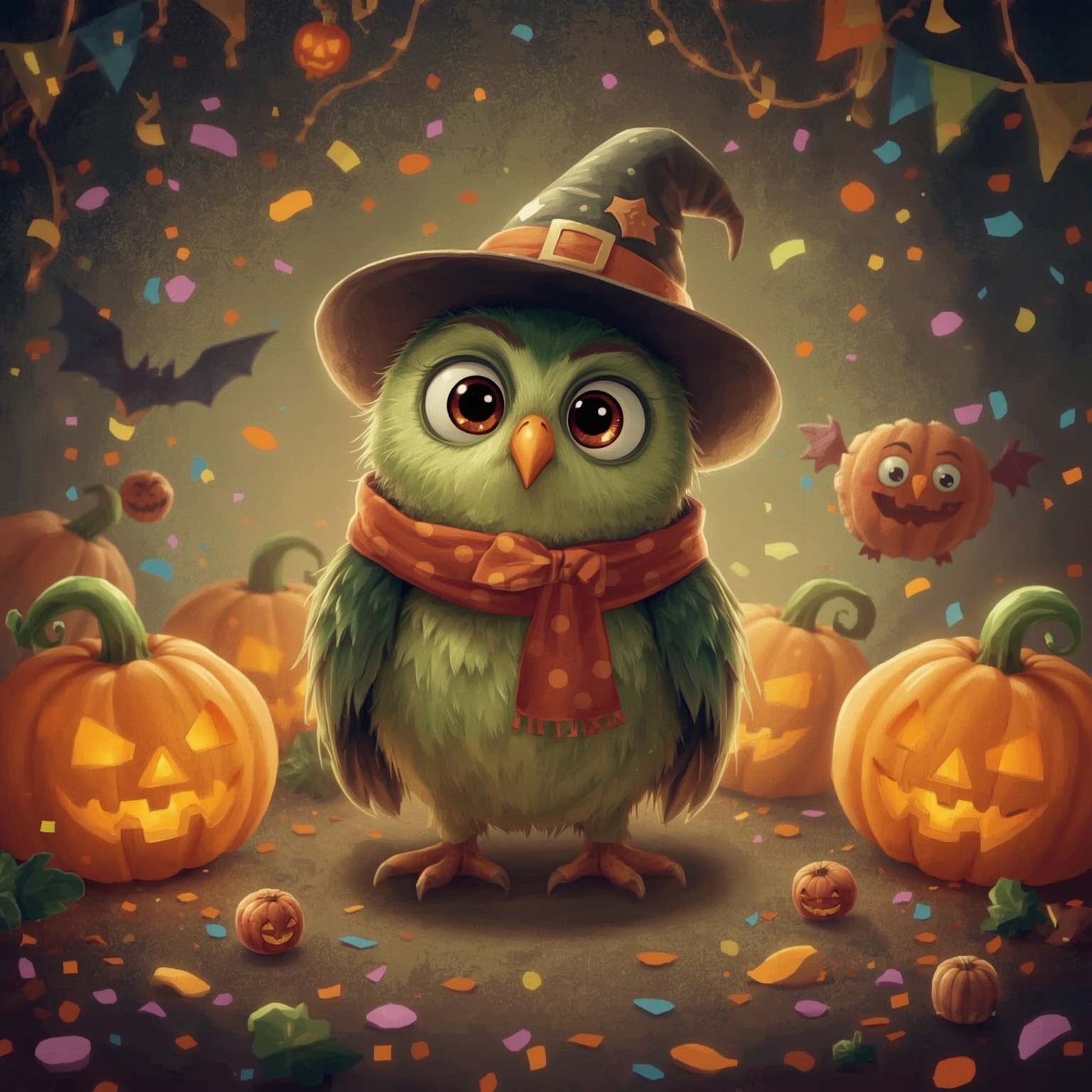
This Halloween season, neighborhoods and social media feeds were filled with countless interpretations of Duolingo’s unmistakable green owl mascot, as hundreds—perhaps thousands—of enthusiasts embraced the character for a night of festive fun. The phenomenon did not go unnoticed by the company’s top leadership. During Wednesday’s earnings call, Duolingo CEO Luis von Ahn mentioned the surge of wildly creative and humorously eccentric costumes inspired by the app’s mascot, a trend that underscored how deeply the brand has woven itself into contemporary pop culture.
Von Ahn reflected on the significance of this moment of fan-driven celebration, emphasizing that such widespread participation reflects Duolingo’s growing cultural resonance. He described it as a “complete pickup” in global engagement, pointing out that across different regions and communities, people enthusiastically chose to represent the well-known owl at Halloween parties and events. According to him, there were likely thousands of these costumes appearing worldwide, an organic expression of users’ affection for the brand rather than a marketing initiative orchestrated by the company.
The observation arose in response to an analyst’s inquiry regarding whether Duolingo has been channeling more effort toward product improvement or marketing strategy. Von Ahn clarified that, in his view, the cornerstone of the company’s success lies primarily in the quality and effectiveness of its core offering — a language-learning app designed to be both educationally impactful and highly engaging. He elaborated that strong user retention and superior teaching outcomes remain at the heart of Duolingo’s mission. While cultural relevance contributes meaningfully to visibility and brand enthusiasm, he likened it to an accelerant that enhances an already solid foundation, the “main dish” being the excellence of the product itself.
Duolingo’s reputation for humorous, persistently guilt-inducing notifications and witty social media posts has become one of its most distinctive marketing assets. Branding specialists attribute the approach’s effectiveness—especially among members of Generation Z—to the company’s ability to maintain a consistent, self-aware personality across platforms. The green owl, simultaneously adorable and slightly menacing, embodies the brand’s voice. Whether appearing in television commercials, YouTube advertisements, or trending TikToks, where Duolingo boasts an audience exceeding 16.8 million followers, the company has repeatedly demonstrated agility in engaging with local, viral, and culturally specific online trends.
As Halloween approached, a deluge of user-generated content appeared across TikTok, Instagram, and X (formerly Twitter), featuring inventive costumes and theatrical interpretations of Duolingo’s animated cast. While the green owl remained the centerpiece, some fans opted to portray secondary characters from the app, such as Lily — a purple-haired, sarcastic teenage figure known for her rebellious attitude. Among all these tributes, one TikTok video garnered particular attention and went viral almost instantly. It showcased a shirtless, muscular man transformed into a human version of the owl, complete with green body paint, matching shorts, and a large mascot mask, dancing joyfully alongside a friend dressed as a skeleton. The clip quickly amassed over ten million views, flooding the comment section with playful, flirtatious remarks about the unexpectedly “fit” version of Duolingo’s mascot.
The internet community, always quick to turn a joke into a moment of collective amusement, responded with comments filled with wit and humor. Some users quipped that if such a spirited owl delivered their daily reminders, they would never forget a lesson again. Others jokingly pleaded to be “kidnapped” by the mascot after missing their Spanish practice, blending irony and affection for the app’s famously persistent reminders. Demonstrating its lighthearted and responsive brand voice, Duolingo itself joined the thread with a characteristic dose of humor, confirming the authenticity of the company’s playful social media persona by commenting, “Yeah, I’ve been working out.”
However, while the brand celebrated its cultural moment online, the company’s financial performance painted a more nuanced picture. Despite reporting ongoing growth in both revenue and active users for the quarter, Duolingo’s stock experienced a notable decline in after-hours trading on Wednesday, dropping as much as 20%. The reason lay in its fourth-quarter forecast, which fell short of analysts’ expectations. Cumulatively, the company’s shares have declined by more than 19% over the year. Even so, the enthusiasm surrounding its Halloween presence reflects an intangible yet powerful outcome: a global recognition that extends far beyond financial performance, highlighting how a digital learning platform managed to transcend its functional purpose and secure a lasting place in cultural imagination.
Sourse: https://www.businessinsider.com/duolingo-ceo-halloween-costumes-owl-earnings-tiktok-marketing-dress-up-2025-11


