In a recent analysis of the evolving technological landscape, the CEO of Emergent provided a thought-provoking perspective on the uncertain future of vibe coding—a paradigm that blends human creativity with algorithmic adaptation. According to the executive, this emerging discipline now faces two potentially destabilizing challenges that could determine whether it thrives or declines: the deteriorating quality of software outputs and the accelerating dominance of autonomous AI agents poised to supplant traditional applications.
The first risk, diminishing software quality, stems from an increase in reliance on generative systems and automated development tools. As coding becomes less about precision and more about expressive design or conceptual ‘vibes,’ rigorous engineering standards risk being overshadowed by aesthetic or experiential priorities. For instance, while vibe coding empowers creators to build dynamic digital environments that respond intuitively to emotion, sound, or user context, the underlying code’s integrity may erode if not accompanied by proper testing, oversight, and optimization. Inferior performance, instability, or security vulnerabilities could hence become more common, ultimately undermining user trust in the technology.
Equally transformative—and potentially disruptive—is the second challenge identified by the CEO: the swift emergence of intelligent AI agents capable of performing or even replacing the functions of conventional apps. These agents, designed to interpret natural language, anticipate user intent, and make context-sensitive decisions, are evolving from supportive tools into autonomous digital entities that mediate nearly every form of interaction. If this trend continues, the traditional app ecosystem—built on discrete, human-authored interfaces—may yield to a continuous, adaptive system in which users communicate directly with general-purpose AI intermediaries. This shift could redefine how developers, designers, and users perceive software creativity, productivity, and ownership.
Emergent’s CEO underscored the urgency of addressing these twin pressures not merely as technical issues but as philosophical and organizational ones. The sustainability of vibe coding depends on balancing artistic freedom with robust engineering discipline, ensuring that expressive flexibility does not compromise dependability. At the same time, the industry must reevaluate its relationship with autonomy, determining how humans and synthetic agents can collaborate rather than compete in the realm of digital creation.
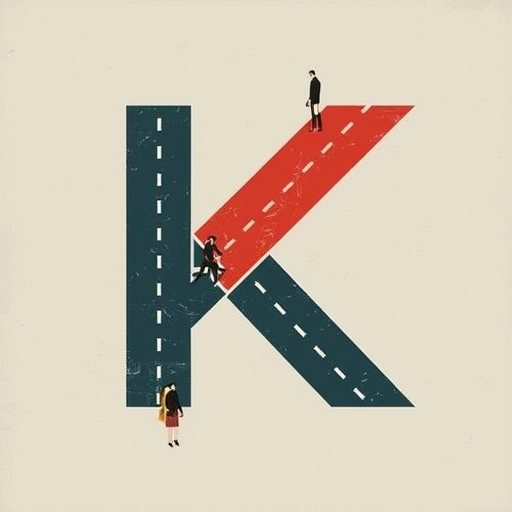
This crossroads marks a profound inflection point for both innovation and responsibility. As we approach a future filled with adaptive, self-evolving systems, developers and enterprises alike must ask themselves a difficult question: will vibe coding become the foundation of a new creative renaissance—or will it dissolve into a fragmented landscape ruled by unregulated AI intermediaries? The answers will depend on how deliberately we navigate these contrasting forces—precision versus intuition, control versus autonomy—and how courageously we redefine what it truly means to build software in the age of artificial intelligence.
Sourse: https://www.businessinsider.com/emergent-ceo-vibe-coding-2-major-risks-ai-mukund-jha-2026-3