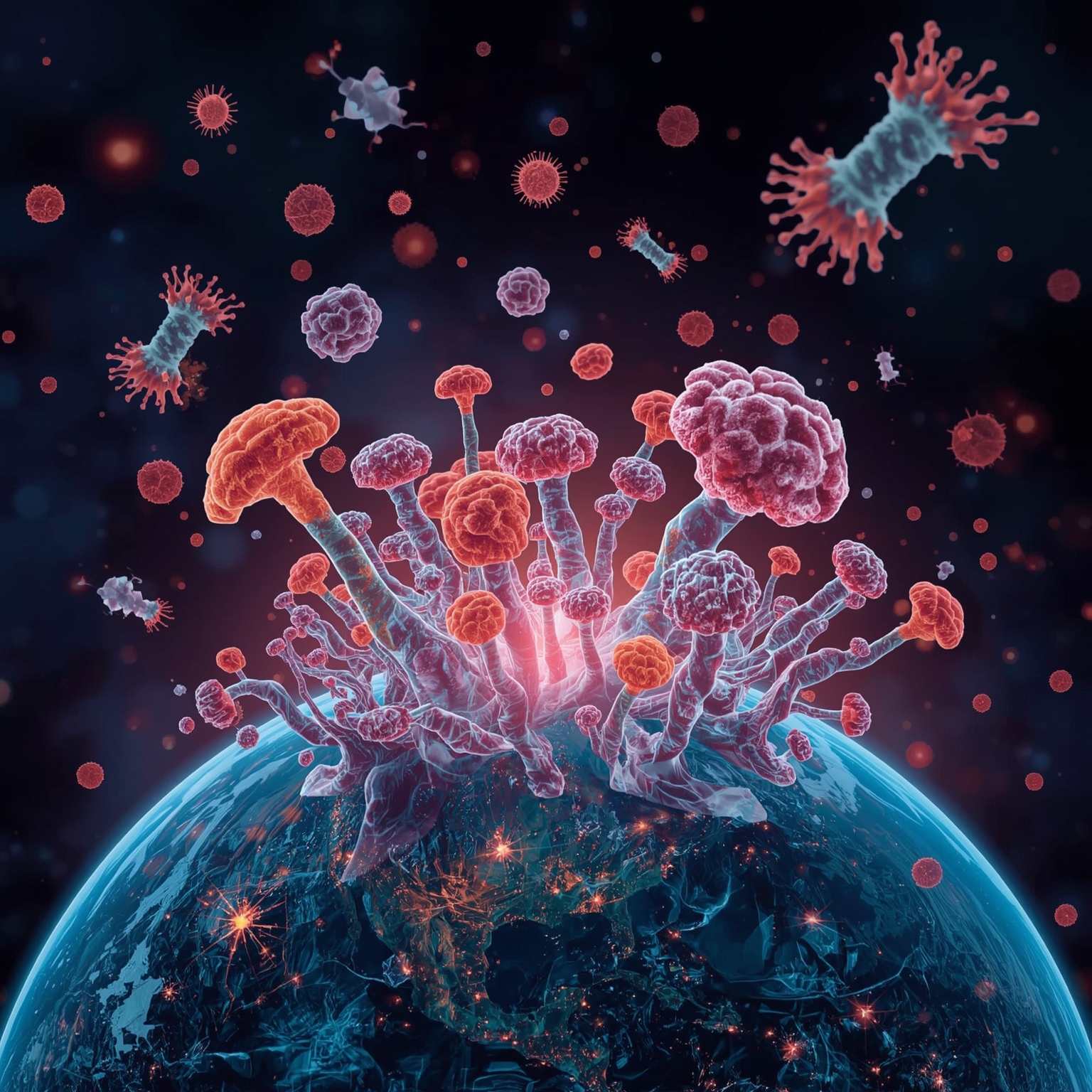
More than a decade has passed since the catastrophic Ebola epidemic that erupted in 2014, a period etched in public health history as one of the most severe viral crises since the pathogen was first identified in 1976. Originating from small, isolated rural communities scattered across Central Africa, the Ebola virus rapidly transcended geographic boundaries, transforming from a localized outbreak into a global emergency that exposed the fragility of international health systems. That grim episode remains a cautionary tale about what can occur when surveillance, infrastructure, and social preparedness falter in the face of a rapidly transmitting and frequently fatal viral infection.
Today, according to Dr. Krutika Kuppalli, an internal medicine physician and infectious disease specialist, the world may paradoxically be less prepared for new infectious disease outbreaks than it once was—a sobering acknowledgment shared during her talk at the annual IDWeek conference, a gathering that unites medical professionals, scientists, and students devoted to combating infectious diseases. Despite advances in biotechnology, genomic sequencing, vaccine platforms, and diagnostic precision, humanity finds itself navigating an era where outbreaks are increasing, and the pace of discovery only barely keeps up with the evolving microbial landscape.
Infectious diseases—particularly those newly emerging or re-emerging after periods of dormancy—pose escalating global challenges. Even after decades characterized by extraordinary innovation in vaccine research, molecular testing, and medical therapies, the list of newly observed pathogens continues to expand. Microorganisms such as antibiotic-resistant strains of Escherichia coli, the mosquito-borne dengue virus, and the tenacious fungus Candida auris have all become emblematic of this new age of microbial threats. An emerging infection, as defined by the World Health Organization, refers either to a novel infectious agent making its first appearance among humans, as occurred with COVID-19, or to a previously known one that has resurfaced in a more virulent or geographically expanded form. Such diseases spread swiftly—whether measured by the volume of cases or by their migration into territories where they had never before been recorded.
While scientific progress has significantly refined surveillance networks and diagnostic tools, thereby enabling earlier identification of novel pathogens, an array of interlinked global factors now fosters the proliferation of dangerous infections. Kuppalli underscored in her presentation that climate change has reshaped patterns of disease transmission by altering ecosystems and expanding the habitats of pathogen-carrying species such as mosquitoes. Simultaneously, human encroachment into wildlife habitats has increased the frequency of cross-species encounters, heightening the risk of zoonotic spillover events. Compounding these pressures are expanding international travel corridors and surging rates of antimicrobial resistance—a phenomenon whereby bacteria, fungi, and other microorganisms evolve mechanisms to neutralize or evade the drugs specifically designed to destroy them. The result is that once-treatable illnesses become stubbornly persistent, routine surgeries grow riskier, and cancer treatments more complex.
Following the global upheaval caused by the COVID-19 pandemic, Kuppalli lamented a familiar cycle: once an outbreak subsides and public urgency diminishes, funding and political commitment to prevention typically recede. She warned that this recurring withdrawal of resources undermines readiness. In her words, financial resources tend to vanish when the immediate crisis is perceived as ended, but sustained, consistent funding is indispensable if future catastrophes are to be avoided. Building on her remarks, Business Insider consulted multiple experts to highlight several emerging infections that merit public attention and to discuss both the vulnerabilities and strategies involved in preventing and controlling their spread.
Among these threats is Carbapenem-resistant Escherichia coli (CREC), a variant of a common bacterium that ordinarily inhabits the human intestine without causing harm. Dr. Yohei Doi, a physician and chair affiliated with the Infectious Diseases Society of America, explained that when these bacteria acquire resistance to carbapenems—a class of potent, last-resort antibiotics—they become especially hazardous. In hospitals, CREC is typically transmitted through direct skin contact, exposure to infected wounds, or accidental contact with surfaces contaminated by feces containing the resistant bacteria. Rare but documented cases suggest that such bacteria can move between humans and animals, sometimes remaining silent within hosts who do not display typical symptoms like diarrhea, urinary tract infections, or pneumonia. Although robustly healthy individuals face minimal danger, patients in healthcare facilities—particularly those recovering from serious illnesses—as well as small children, older adults, and international travelers, face pronounced risk. The bacterium’s ability to produce an enzyme known as NDM, which deactivates carbapenem antibiotics, renders many treatments ineffective. Doi emphasized that these medications are usually preserved for severely ill patients, yet their diminishing efficacy signals a profound clinical challenge.
Another growing concern involves nontuberculous mycobacteria (NTM), organisms that are omnipresent in the environment, found abundantly in both soil and water. Dr. Idowu Olawoye, a microbiologist and postdoctoral researcher at Western University in Ontario, noted that people encounter these microbes frequently—in swimming pools, garden soil, and even domestic plumbing systems—often without realizing it. Infections commonly manifest in the lungs and are particularly worrisome for individuals already burdened with respiratory conditions such as asthma, COPD, cystic fibrosis, or bronchiectasis, as well as those who are immunocompromised or of advanced age. Symptoms often begin subtly, with persistent coughing, fatigue, weight loss, and shortness of breath. Because NTM colonies grow extremely slowly, sometimes requiring weeks before becoming detectable in a laboratory sample, diagnosis and treatment are often delayed. Many of these pathogens possess numerous antimicrobial-resistance genes and can further evolve by developing new mutations that reduce the effectiveness of available drugs, making treatment a fraught process.
Mycoplasma genitalium (Mgen) represents yet another pathogen drawing global attention. Although discovered in the 1980s, it remained relatively obscure until recent years, when cases of sexually transmitted infections caused by Mgen began rising steadily. Transmission occurs primarily through unprotected vaginal or anal intercourse, and the bacterium can cause urethritis in men and cervicitis in women. If left untreated, infections in women may progress to pelvic inflammatory disease, infertility, or ectopic pregnancy, though the long-term impacts on men remain uncertain. Alarmingly, Mgen has developed increasing resistance to the antibiotics formerly used to treat it, which complicates management and raises the risk of persistent transmission chains.
Vector-borne illnesses are equally concerning, and dengue fever serves as a stark demonstration of this new vulnerability. Spread through the bites of mosquitoes infected with one of four viral serotypes, dengue typically causes fever, severe muscle and joint pain, eye discomfort, rashes, nausea, and vomiting—symptoms that generally begin one to two weeks after infection. Though most patients recover within about a week, some develop life-threatening complications. Populations residing in tropical and subtropical regions—especially across Central and South America, Southeast Asia, the Caribbean, and the Pacific Islands—face the greatest hazard owing to high mosquito densities and environmental conditions conducive to viral propagation. As Dr. Doi explained, climate change is accelerating the northward migration of mosquito populations, a trend substantiated by recent reports of locally acquired dengue infections in U.S. states such as California, Texas, Hawaii, and Arizona—areas historically unexposed to endemic transmission. Dengue has no specific antiviral cure, so treatment focuses on alleviating symptoms and avoiding complications. Preventive measures emphasize mosquito control and personal protection, though a vaccine exists for previously infected children living in regions with high transmission.
Another formidable adversary, the fungus Candida auris, underscores the escalating interplay between medicine, environment, and pathogen adaptation. Identified only in the last decade, C. auris is a yeast species notorious for its resistance to standard antifungal therapies and its ability to linger on hospital surfaces such as bed rails, doorknobs, and medical equipment. It spreads predominantly within healthcare facilities, infecting patients whose immune systems are already compromised. The CDC reports that it can be transmitted through breathing or feeding tubes, catheters, or even simple skin contact. Some carriers remain asymptomatic, unknowingly increasing transmission risk. Once a systemic infection develops, treatment options are severely limited and mortality rates are distressingly high.
Similarly concerning is Aspergillus, a genus of common mold that thrives in the environment and produces airborne spores that people inhale daily, often with no ill effects. Yet for individuals with weakened immune systems or chronic lung conditions, exposure can trigger aspergillosis—a serious infection that may cause difficulty breathing, chest congestion, fatigue, and even coughing up blood. Those recovering from organ or stem cell transplants are especially at risk. Dr. Doi observed that the extensive use of agricultural fungicides has inadvertently fostered resistant Aspergillus strains, undermining the efficacy of antifungal medications in clinical settings and diminishing physicians’ therapeutic arsenal.
Addressing these proliferating threats demands a multi-pronged approach. At the individual level, Dr. Doi stressed the importance of prudent antibiotic use—a shared responsibility between patients and clinicians—to preserve the potency of the drugs that stand among humanity’s greatest medical achievements. On a systemic plane, Kuppalli urged that governments and international health organizations prioritize sustained financial investment in preventive infrastructure—enhancing global surveillance networks, facilitating open data exchange between nations, and expanding equitable access to vaccines, medications, and diagnostics in under-resourced regions. These measures, she argued, are indispensable for curbing future outbreaks before they metastasize across continents.
Ultimately, vigilance and communication remain the most powerful tools in the public health arsenal. Anyone experiencing unusual or persistent symptoms that may signal an infectious disease should promptly notify health authorities such as the Centers for Disease Control and Prevention. The battle against emerging pathogens, as history has shown, depends not only on scientific innovation but also on sustained attention, cooperation, and an unwavering commitment to preparedness.
Sourse: https://www.businessinsider.com/emerging-infectious-diseases-dengue-fever-antibiotic-resistance-how-to-prevent-2025-10


