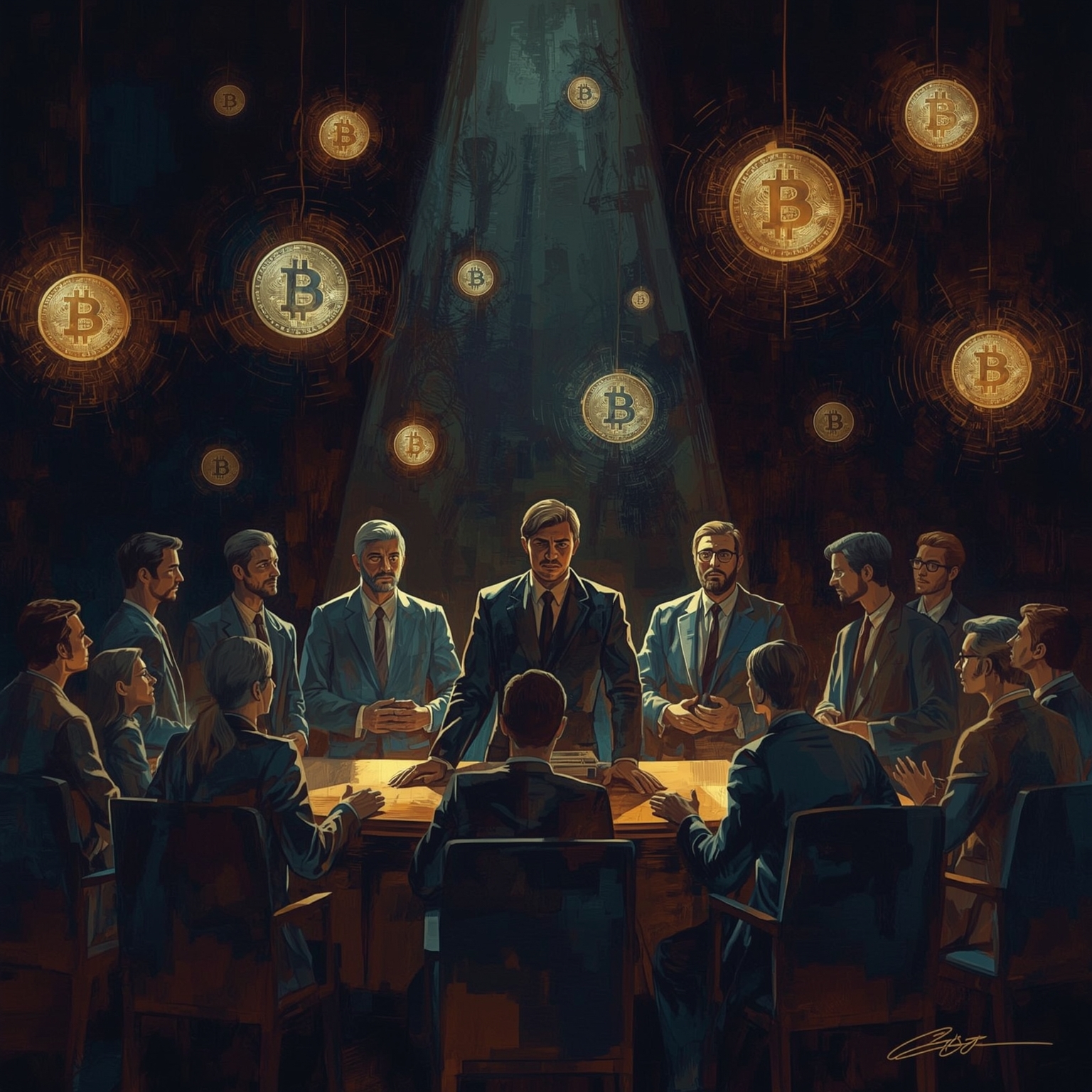
In May of the previous year, two brothers, both in their twenties, found themselves at the center of a remarkable and highly technical legal controversy. They were taken into custody following what the United States Department of Justice described at the time as an unprecedented act of digital aggression—“an attack on the Ethereum blockchain resulting in the theft of twenty-five million dollars.” The very phrase evokes an image straight out of science fiction, conjuring visions of hackers engaging in virtual battles across decentralized financial networks. Yet, the brothers maintained an entirely different narrative: they insisted that far from being criminals, they were simply assertive and innovative traders who had devised a bold market strategy. This difference in perception set the stage for what would eventually unfold into a deeply stressful courtroom drama—a mistrial that left everyone involved drained and uncertain.
According to the government’s case, prosecutors contended that Anton Peraire-Bueno and James Pepaire-Bueno had engineered a highly calculated trap, a scheme that effectively functioned as a digital form of fraud. Their alleged target was not ordinary investors, but rather automated trading programs—crypto “bots”—that execute high-speed financial operations on behalf of entities connected to real human clients. Of the three supposed victims whose automated systems were compromised, only one individual, David Yakira, publicly stepped forward to acknowledge losses. The bots targeted by the brothers were engaged in what the crypto world calls “sandwich transactions,” a controversial method in which an algorithm strategically positions its trades before and after another trader’s pending transaction to extract profit from price fluctuations. Prosecutors maintained that the brothers had manipulated these bots into malfunctioning, coaxing them into releasing valuable digital tokens in return for virtually worthless or low-value assets—so-called “shitcoins.” Following their alleged exploit, the pair reportedly made attempts to disguise or “launder” the digital windfall.
Executing a digital ambush of this kind—particularly one involving entities operating complex sandwich transactions—demanded immense technical proficiency and a sophisticated understanding of blockchain vulnerabilities. It exemplified the kind of borderline activity that thrives in the largely unregulated, quasi-anarchic environment of cryptocurrencies, an arena often likened to the Wild West of modern finance. Yet, the entire affair also appeared to have elements of moral ambiguity. To some observers, the brothers’ actions might have seemed like an attempt to portray themselves as unsanctioned vigilantes—quasi–Robin Hood figures pushing back against what many perceive as unethical trading practices. Although sandwich transactions remain technically legal, they are frequently criticized as exploitative or parasitic, because they manipulate market timing and price discovery to the detriment of unsuspecting traders. In essence, the bots performing these maneuvers profit by artificially influencing prices at the expense of genuine participants. The brothers’ strategy, according to the allegations, involved anticipating that behavior, crafting code to take advantage of it, and ultimately securing a windfall of twenty-five million dollars. The key question, therefore, was whether they were audacious innovators employing a clever, if risky, trading technique—or opportunistic grifters exploiting a gray area for illicit gain.
The case soon attracted attention from major financial and technological outlets. As *Business Insider* reported, the Peraire-Bueno brothers stood trial before a carefully selected Manhattan jury, assembled with the express purpose of dissecting the subtle and often blurry distinctions between fraud, trading innovation, and technological experimentation. Remarkably, half the jurors held advanced academic degrees, suggesting that the court anticipated the need for analytical and technical reasoning. Most of the panel, however, were mature or older adults, with ages ranging from middle age to retirement, which may have contributed to the emotional complexity of the deliberations.
Over the course of a three-week trial, the atmosphere reportedly grew increasingly tense. Despite detailed testimony and voluminous expert evidence, the jurors struggled to reconcile the legal definitions of fraud with the novel and sometimes abstract realities of blockchain trading. By the end, the ambiguity that lay at the heart of the case had not been resolved to anyone’s satisfaction. *Bloomberg* later described the final hours as emotionally charged and exhausting. One anonymous juror stated that although the factual circumstances—the events as they occurred—were not contested, the interpretation of those facts posed insurmountable challenges. Late on Friday, the jury informed the presiding judge that it had reached an impasse and sought guidance on how to proceed. Several jurors admitted that the process had cost them multiple nights of sleep, and later communications revealed that a number of them were overcome with emotion; in fact, approximately half reportedly broke down in tears during deliberation. Confronted with the mental strain the jury was enduring, U.S. District Judge Jessica Clarke had little choice but to declare a mistrial that same day.
To clarify, a mistrial brought about by a deadlocked jury—one unable to reach a unanimous verdict—does not mean acquittal or final exoneration. The Peraire-Bueno brothers remain under the threat of a new trial, as prosecutors are expected to refile the case in pursuit of a conviction. Nevertheless, such a result represents a serious setback for the government, which must now rebuild its case after a grueling and inconclusive fight. For the prosecution team, the experience of having invested weeks in a technically intricate and emotionally draining case only to reach a stalemate is surely dispiriting. And for the jurors—ordinary citizens temporarily thrust into the complex and high-stakes intersection of law, mathematics, and digital finance—the experience served as a sobering reminder that even in the seemingly cold, algorithm-driven world of cryptocurrency, the human price of justice remains profound.
Sourse: https://gizmodo.com/crypto-bros-mistrial-was-such-an-emotional-burden-for-deadlocked-jurors-that-half-of-them-cried-2000682333


